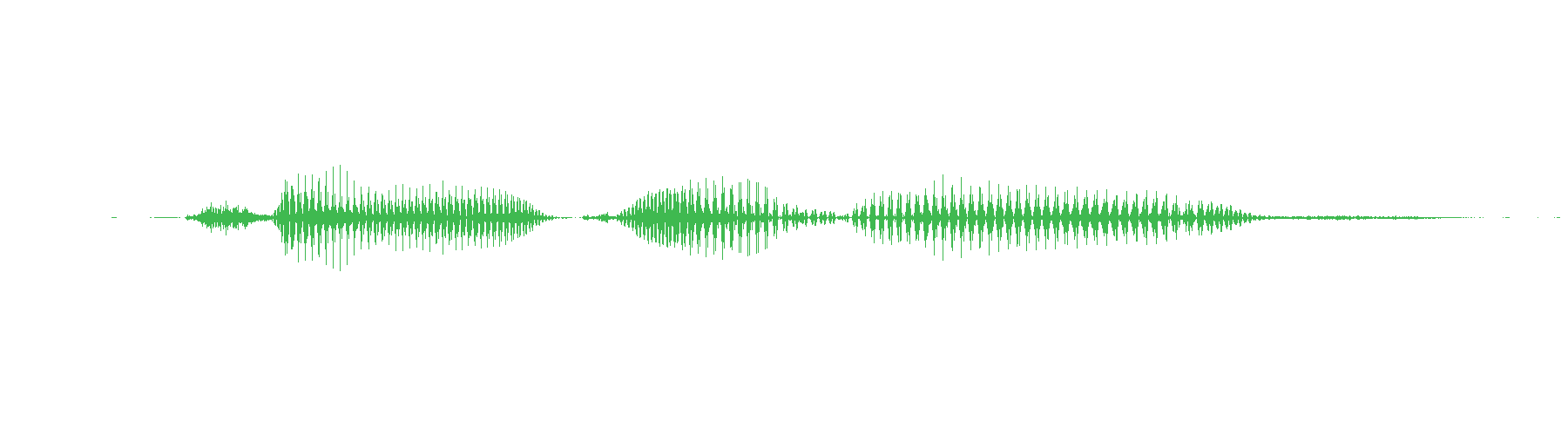
A fluency interview with Ning 与 Ning 的流利度访谈

Ning's speaking journey Ning 的口语之旅

This conversation beautifully shows Ning's ability to talk about her life, her past, and even her dreams for the future. It's lovely to hear how she can sustain a conversation on many different topics, showing real progress on her English journey. 这次对话清楚地展示了 Ning 能够谈论自己的生活、过去的经历,甚至未来的梦想。听到她能流畅地驾驭如此多样的话题,让人非常欣慰,这正是她在英语学习道路上取得真实进步的体现。
CEFR · B1 CEFR 等级

Where Ning sits on the CEFR scaleNing 在 CEFR 等级中的位置

The CEFR is like a map for your language learning journey, showing you where you are now and the path ahead. It's a wonderful tool to help us celebrate your progress, Ning, and see the exciting next steps.

CEFR 就像一张语言学习之旅的地图,告诉你现在身处何方,前方又是怎样的道路。这是一个绝佳的工具,让我们能够一起庆祝 Ning 的进步,并展望令人期待的下一步。

A1
Beginner
Can introduce themselves and talk about basic personal details.
能够介绍自己并谈论基本的个人信息。
A2
Elementary
Can describe their daily routine and immediate needs in simple terms.
能够用简单的句子描述日常作息和当下的需求。
B1
Intermediate
Can describe experiences, events, and dreams, and give reasons for opinions. This is where Ning is now!
能够描述经历、事件和梦想,并为自己的观点给出理由。这就是 Ning 现在所处的水平!
Ning 在这里
B2
Upper-Intermediate
Can interact with a degree of fluency and spontaneity that makes regular interaction with native speakers quite possible.
能够流利、自如地交流,使与母语者的日常互动变得轻松自然。
C1
Advanced
Can express ideas fluently and spontaneously without much obvious searching for expressions.
能够流利、自然地表达想法,无需明显地费力寻找合适的表达。
C2
Mastery
Can understand with ease virtually everything heard or read, and can express themselves spontaneously, very fluently and precisely.
能够轻松理解几乎所有听到或读到的内容,并能够自然、流利、精准地表达自己。
← Basic user Independent user Proficient user →

Overall fluency总体流利度

What is so wonderful to hear in this conversation, Ning, is your ability to communicate on a wide range of topics. You share stories about your childhood, talk about a recent trip to Phuket, and even discuss your interest in technology. You understand everything perfectly and always have a thoughtful answer. Ning already has the skills to handle longer conversations. She can talk about the past using different tenses and respond to 'what if' questions, which is a key B1 skill. With a little more practice building speed and confidence, Ning will find these conversations feel even more natural and effortless.

这次对话最令人欣喜的地方是 Ning 能够就广泛的话题进行交流。她讲述了童年的故事、聊到了最近一次普吉岛之旅,还谈到了她对科技的兴趣。Ning 完全能听懂每一个问题,并且总能给出令人耳目一新的回答。 Ning 已经具备了驾驭较长对话的能力——可以使用不同的时态来谈论过去,也能回应「假设性」('what if')的问题,这是 B1 级别的关键技能。再多练习一些语速和自信,Ning 会发现这类对话变得更加自然、更加轻松。

Pacing & flow 节奏与流畅度

Ning's pacing is thoughtful and deliberate. She takes the time she needs to find the right words and build her sentences, which is a great strategy for accuracy. It's also lovely to hear how Ning sometimes pauses to correct herself—this shows she is actively listening to her own speech and working to improve in real time. This self-awareness is a fantastic skill for a language learner.

Ning 的语速沉稳而有意识。她会花时间寻找最合适的词汇并组织句子,这是确保准确性的好策略。同样可贵的是,Ning 偶尔会停下来纠正自己——这表明她在主动倾听自己的发音并实时改进。这种自我觉察是语言学习者非常出色的能力。

Vocabulary range 词汇量

Ning has a solid range of vocabulary for everyday topics. She uses specific and interesting words like 'course consultant', 'pineapple fried rice', and '3D printing'. This allows her to share details that make her stories come alive. As she continues her journey, expanding her vocabulary for more abstract ideas will help her express her opinions and feelings with even more nuance.

Ning 在日常话题上拥有扎实的词汇储备。她能够使用具体且有趣的词汇,例如 'course consultant'(课程顾问)、'pineapple fried rice'(凤梨炒饭)和 '3D printing'(3D 打印),这些细节让她的故事更加生动。在接下来的学习中,扩展用于表达抽象概念的词汇将帮助她更细腻地表达观点和感受。

Interaction management 对话互动

Ning is a wonderful conversation partner. She listens carefully, understands everything, and always responds directly to the question. She follows the conversation beautifully and never gets lost. A lovely next step for Ning would be to take a more active role by adding extra details to her answers or even asking a question back to the interviewer to keep the conversation flowing.

Ning 是一位非常优秀的对话伙伴。她认真倾听,理解每一个问题,并且总能直接回应。她始终能够顺畅地跟上对话节奏,从不偏题。下一步她可以尝试更主动地参与对话——在回答中加入一些额外细节,甚至反过来向访谈者提问,让对话持续流动。

Strengths & growth areas优势与可逐步成长的方面

What Ning does beautifully Ning 做得非常好的地方

  • Understands questions from a native speaker perfectly.完全能够理解母语者提出的问题。
  • Tells stories about the past with good detail.能够详细地讲述过去的故事。
  • Successfully answers hypothetical 'what if' questions.能够顺利回答 'what if' 假设性问题。
  • Uses specific vocabulary to make her points clear.使用具体词汇让自己的观点表达得更清晰。
  • Self-corrects her own grammar in the moment.能够当场自我纠正语法。
  • Maintains a warm and friendly conversational presence.始终保持温暖友好的对话氛围。

Gentle next steps 温柔的下一步

  • Continuing to build confidence to speak a little more quickly.继续建立信心,让说话速度再略快一些。
  • Using phrases like 'Well...' or 'Let me see...' to fill pauses naturally.使用 'Well...' 或 'Let me see...' 这类口头语自然地填补思考时的停顿。
  • Expanding vocabulary for describing feelings and opinions.扩充用来描述感受和观点的词汇。
  • Practicing connecting ideas with words like 'although', 'however', and 'so that'.练习用 'although'、'however' 和 'so that' 等连词来连接想法。
  • It will help Ning to try adding one extra sentence to each answer.在每个回答里多加一句额外的句子,会对 Ning 帮助很大。
  • Experimenting with asking questions back to the other person.尝试反过来向对方提问。

Pronunciation spotlight发音重点

Here we zoom in on just a few moments from the conversation. We compare Ning's pronunciation with a standard speaker model (we call her Polly!) so you can both hear and SEE the difference in the sound waves. It's a great way to train your ear.

在这一部分,我们会聚焦对话中的几个瞬间,将 Ning 的发音与一位母语者的标准声音进行对比(我们叫她 Polly!),让你既能「听到」也能「看到」声波之间的差异。这是训练耳朵的绝佳方式。

1
cats
at 00:35 in the interview · 访谈中 00:35
Ning — from the interview Ning — 来自访谈
Waveform of Ning saying cats
Ning 的发音
/kæts/
Native reference · AWS Polly 母语者参考音 (AWS Polly)
Waveform of target pronunciation
目标音
/kæts/

This is a wonderful example of Ning producing a perfect final /s/ sound. While this sound can sometimes be tricky for Thai speakers, Ning does it beautifully here. This shows she absolutely can make this sound clearly.

这是 Ning 完美发出词尾 /s/ 音的绝佳例子。虽然这个音对泰语母语者来说有时颇具挑战,但 Ning 在这个词上发得非常漂亮,说明她完全能够清晰地发出这个音。

Teaching tip练习小贴士

Let's use this word, 'cats', as a model for other plural words to help make that final /s/ sound strong every time.

让我们把 'cats' 这个词当作其他复数名词的范本,帮助每次都把词尾的 /s/ 音发得清晰有力。

2
childhood life
at 04:00 in the interview · 访谈中 04:00
Ning — from the interview Ning — 来自访谈
Waveform of Ning saying childhood life
Ning 的发音
/ˈʃæl.ənʤ/ (unclear — AI transcriber heard "challenge")
Native reference · AWS Polly 母语者参考音 (AWS Polly)
Waveform of target pronunciation
目标音
/ˈtʃaɪld.hʊd laɪf/

This is a tricky combination of sounds! The 'ch' sound (/tʃ/) at the beginning of 'childhood' came out a little soft, more like 'sh' (/ʃ/). Also, the 'd' at the end of 'childhood' got a little bit lost before the 'l' in 'life'. This is very common when two words are pushed together.

这是相当具有挑战性的连读组合!'childhood' 开头的 'ch' 音 (/tʃ/) 略偏轻,听起来有点像 'sh' 音 (/ʃ/)。此外,'childhood' 词尾的 'd' 音在遇到 'life' 的 'l' 之前略微弱化——这在两个词连读时是非常常见的现象。

Teaching tip练习小贴士

It can help to practice this phrase slowly, really focusing on a sharp 'CH' sound at the start and making sure we can hear the little 'd' sound: 'CHild-hooD-Life'.

慢慢地练习这个短语会很有帮助:开头要发出清晰的 'CH' 音,并努力让微弱的 'd' 音也能听见:'CHild-hooD-Life'。

3
my best friends
at 04:53 in the interview · 访谈中 04:53
Ning — from the interview Ning — 来自访谈
Waveform of Ning saying my best friends
Ning 的发音
/maɪ bɛt frɛn/
Native reference · AWS Polly 母语者参考音 (AWS Polly)
Waveform of target pronunciation
目标音
/maɪ bɛst frɛndz/

This is another very common pattern for Thai speakers, so it's a great one to practice. In English, we often have groups of consonants at the end of words, like '-st' in 'best' and '-nds' in 'friends'. Ning's pronunciation simplifies these, which is natural because Thai words don't end this way. It's a small change that makes a big difference to clarity.

这是泰语母语者非常常见的发音模式,因此是个绝佳的练习机会。在英语中,词尾常会出现辅音连读,例如 'best' 中的 '-st' 和 'friends' 中的 '-nds'。Ning 的发音稍微简化了这些音,这很自然,因为泰语词尾没有这样的辅音组合。这只是一个细微的调整,却能让发音的清晰度大大提升。

Teaching tip练习小贴士

Try saying the words by holding the middle sounds a little longer to make space for the end sounds: 'beSSSt' and 'frieNNNds'.

试着把这些词中间的音节稍微拉长,给词尾的辅音留出空间:'bessst' 和 'friennnds'。

A few grammar moments小小的语法点

These are just a few small patterns we noticed. Remember, clear communication is always more important than perfect grammar, and Ning's communication is already very clear!

这只是我们注意到的一些小模式。请记住,清晰的沟通永远比完美的语法更重要——而 Ning 的沟通已经非常清晰了!

00:34
Ning said / Ning 说: my favorite pet is cats.
A tiny polish / 小修改: my favorite pets are cats. / my favorite type of pet is the cat.
A small mix-up between singular 'is' and plural 'cats'. A very common point to practice!
'is' 用于单数,但 'cats' 是复数,两者之间略有不一致。这是练习中非常常见的小点!
04:42
Ning said / Ning 说: I grewed up with my friends...
A tiny polish / 小修改: I grew up with my friends...
It's so easy to forget those tricky irregular past tense verbs! 'Grow' becomes 'grew'.
不规则动词的过去式形式很容易被遗忘!'Grow' 的过去式是 'grew'。
06:00
Ning said / Ning 说: we we uh didn't met.
A tiny polish / 小修改: we didn't meet.
A great self-correction opportunity! After 'didn't', the verb goes back to its simple base form: 'meet'.
这是一个非常好的自我修正机会!'didn't' 后面要用动词原形 'meet'。
08:34
Ning said / Ning 说: the email that I just drafting.
A tiny polish / 小修改: the email that I was just drafting. / the email I just drafted.
This sentence just needs a small helping verb like 'was' to be complete, or we can change 'drafting' to 'drafted'.
这句话需要一个小小的助动词 'was' 才完整,或者也可以把 'drafting' 改成 'drafted'。
09:00
Ning said / Ning 说: at the another location.
A tiny polish / 小修改: at another location.
'Another' already includes the idea of 'a' or 'an', so we don't need 'the' before it.
'Another' 本身已包含 'a' 或 'an' 的含义,所以前面无需再加 'the'。
13:18
Ning said / Ning 说: my home didn't... was safe.
A tiny polish / 小修改: my home was safe.
Ning communicates the meaning perfectly here. For the grammar, we can just say 'my home was safe' directly.
这里 Ning 已经把意思表达得很完整。从语法上讲,可以直接说 'my home was safe'。

Full conversation完整对话

Here is the full transcript of our chat. We've kept in all the little pauses and filler words like 'um' and 'uh' on purpose, because that's what real, natural conversation sounds like!

这是我们完整的对话内容。我们特意保留了那些细微的停顿以及 'um' 和 'uh' 这样的口头语,因为正是这些让对话听起来真实自然!

00:03
Interviewer
Okay. Are you ready?
00:04
Ning
Yes.
00:06
Interviewer
All right.
00:08
Interviewer
Tell me about yourself.
00:10
Ning
Myself?
00:12
Ning
Um my my name or my nickname, my nickname is Lin.
00:18
Ning
Yeah. I've been working here for almost three, no, oh yeah, almost two years.
Hesitation and self-correction on the time frame.
00:29
Ning
Yes. Uh, my my favorite pet is cats.
Grammar issue: singular verb 'is' with plural noun 'cats'.
00:36
Ning
Yeah, they uh their uh their names um cafe and meow.
Hesitation while recalling the names.
00:47
Interviewer
Yeah. How old are your cats?
00:49
Ning
Oh, it's almost seven or eight. Or eight. Yes.
00:55
Interviewer
I like cats very much too.
00:57
Ning
Yeah, yeah.
01:41
Interviewer
Do you like dogs?
01:43
Ning
Yeah, yeah. I I like dog. I I also like dog too, but if like uh comparing about uh with cat and dog, I prefer cat more.
Uses 'dog' in singular form when referring to the species generally.
01:54
Interviewer
Yeah, me too.
01:57
Interviewer
How about your daily routine?
02:00
Interviewer
Can you tell me about your daily routine?
02:03
Ning
My daily routine uh start with
Long pause before starting the description.
02:12
Ning
brush my teeth and like uh get ready and ride or drive uh ride my motorcycle to here.
02:24
Ning
Yeah, and work and working all days and then back home. That's it.
02:32
Interviewer
What is your job?
02:35
Interviewer
What what is your job?
02:37
Ning
Um, my job, uh, my job, my job is about uh, uh my my position is course consultant. Yeah, but like the the the sub what what does what can I call? But I'm in charge of uh teacher placement at the school.
Significant word-finding difficulty and self-correction when trying to describe her job role.
03:30
Interviewer
Ah.
03:30
Ning
Yes.
03:30
Interviewer
So I want to be very nice to you.
03:33
Ning
A plus plus.
03:34
Interviewer
for sure.
03:39
Interviewer
What is the biggest challenge in your life?
03:45
Ning
Biggest challenge
03:49
Ning
My biggest challenge is to survive every day.
03:55
Interviewer
Very good answer. That's a very hard question.
04:00
Interviewer
If you were rich, what would you do?
04:06
Ning
If uh I I I would quit my job.
Responds quickly and confidently to this hypothetical question.
04:11
Ning
and then like uh spend time with traveling and with my family, my friends, yes.
04:22
Interviewer
Can you tell me about when you were young?
04:27
Interviewer
What was your childhood like?
04:30
Ning
Uh my childhood life was uh grown up with uh no, again, again. Um my my childhood life, yeah, uh I grewed up with my friends at the school
False start and self-correction. Uses non-standard past tense 'grewed up'.
04:45
Ning
and like uh we we've been we've been together for almost 20 years. Yeah, we we had uh and my my childhood life is it was fun.
Mixes present perfect ('we've been') with simple past context. Self-corrects 'is' to 'was'.
04:58
Ning
I mean like uh have have had like a a lot of memories. Yeah, with my friend, my family, yeah.
05:04
Interviewer
Who was your best friend?
05:08
Ning
My best friend, my best friend uh her name, her name is Dada. Yeah, yeah. Actually, actually uh I I I have uh three three uh three best friends. Three best friends. It's it's called it can call like as a group.
Struggles slightly with phrasing 'it can call like as a group'.
05:20
Ning
Yeah, that we when we like uh when we travel together, we spend time together.
05:24
Interviewer
Oh, that's great. That's very nice. It must be a lot of fun to travel and go to restaurants and do all those things together.
05:33
Ning
Yes, yes, sure.
05:35
Interviewer
So you still know Dada and your other friends now?
05:39
Ning
Yes, yes, yes, exactly.
05:46
Interviewer
Did you and your friends do anything together last weekend?
05:51
Ning
Last weekend,
05:54
Ning
uh no. Uh if for if for Dada, if for my best friend, no, because we we uh didn't met. We didn't met together since uh the last two week. Yeah, but I but I met with my my my friend, my my college friend. Yeah, we like uh we went to the holiday together.
Uses 'met' instead of 'meet' after 'didn't'. Uses 'the last two week' instead of 'two weeks ago'.
06:44
Interviewer
What was the most delicious food you ate last week?
06:49
Ning
Last week.
06:53
Ning
I ate shrimp grill. Yeah, shrimp grill at at Phuket. Oh. Yeah. Very nice. At Phuket and and also with uh pineapple fried rice. Yes.
Pronunciation of 'grilled' as 'grill'. Uses 'at' for the province 'Phuket'.
07:07
Interviewer
Was it was the shrimp spicy?
07:09
Ning
Uh, not really. Not really. Yes.
07:12
Interviewer
Do do you like spicy food?
07:14
Ning
Yes, yes, sure.
07:17
Interviewer
Of course, you're Thai.
07:18
Ning
Yes.
07:20
Interviewer
What kind of job would you like to do in the future?
07:25
Ning
Uh
07:37
Ning
I would I would like to do the job about uh uh about the IT, IT system or something like that. Yeah, because now because now like we as as you know that everything have to be like on the internet or in the IT. Yeah. That that's actually uh I worked in software for 20 years. And so now coming here, that's my main idea is to help students learn AI so then they can use that to do English and they can be empowered. So I have one student and I said, okay, I'm going to teach you the word web page. Oh. And so I said, now, go to chat GPT and tell chat GPT and Thai to make a web page about dogs because she liked dogs. So it did. And I said, okay, copy that, put it there and get up and then it's a web page. Yeah. So then she was like, oh, wow. Yeah, yeah. Now she can make web pages and she only had to learn one word. Yeah. And now she knows how she can do things with chat GPT too. So I feel like I can help my students and teachers and schools with technology to go very quickly and make things easier. By by using the AI, right? Using the chat GPT. Yeah, yeah, yeah. It was good. It was good. Yeah. Oh, I'm so excited. I'm happy to hear you say that about IT. Oh, I hope all my students are like you. I'll be so happy. Yeah.
This long segment is a mix of the student's answer and the interviewer's extended response and anecdote. The student's initial answer is clear, showing interest in IT.
08:27
Interviewer
What are you going to do after this interview?
08:30
Ning
Uh, I'm I'm going to reply the email that I just drafting.
Grammar issue: uses 'drafting' instead of 'was drafting' or 'drafted'.
08:36
Interviewer
Okay.
08:40
Interviewer
And what are your plans for this weekend?
08:45
Ning
Uh, this weekend, I don't have I don't have any plans because we we were asked to work because we uh at the EFL uh like uh we we will have the grand opening for the second branch. Oh. Yeah, at at the another location. So all the staff were asked to to work in the weekend. Yes.
Uses 'at the another location' instead of 'at another location'.
09:07
Interviewer
If if I ask you about IT,
09:10
Interviewer
uh what what do you like uh in computers? What kind of programs or what do you like to do with computers?
09:21
Ning
Um
09:27
Ning
Uh for the IT things, I like yeah, I I like to use the chat GPT or the program to create the to create the uh the picture or like uh can or use uh the program to to order the uh what what is it like uh to use the program to to use the program to do the do the 3D printing.
Word-finding difficulty when trying to describe the function of the program.
09:44
Interviewer
Oh, wow.
09:45
Interviewer
Do you have a 3D printer?
09:48
Ning
Uh uh no, I don't have, but I I have my friend that that they that they have it.
09:54
Interviewer
Oh, cool.
09:54
Ning
And they and they and they they taught me how how to use it. And I was and I think it's uh it's very fun to to use these things to like uh to build a uh the the 3D toys or the 3D printings. Yeah.
10:08
Interviewer
Yeah, I feel like that kind of thing is very magical. You know, it's just so much fun. Yes, yes, yes. It's like it seems very hard, but when you do it, it's kind of easy. Yes. And so it's fun. Yes, yes, yes, sure.
10:27
Interviewer
Can you tell me about a time when you felt very proud of yourself?
10:32
Ning
Very proud of myself.
10:37
Ning
Recently. Recently, as as you know that uh last week, I went to Phuket, right? And I went to um uh Krating, Krating Cape. Yeah, and it's very uh actually it was a it was a hill, a very high hill that it's quite it's quite uh take time to walk uh to be like uh to be there.
Uses 'take time' instead of 'takes time'.
10:50
Ning
Yeah. And for me, uh is is quite challenge for me to like uh to take to take time to walk to uh to the to Krating Cape because it's uh I I had to walk around 20 25 or 30 minutes. Yes, to be there.
Pronounces 'challenge' with stress on the second syllable.
11:05
Ning
And to it's very hot and tiring. Yeah, yes, yes, yes, yes. And when when I was when I I was there is quite it's kind of like, yeah, I can do it. Yeah, because actually I I didn't do any workout or like uh anything about exercise.
11:17
Interviewer
Same me.
11:20
Interviewer
Who is the most important person in your life?
11:26
Ning
Uh of of course that it uh it it will be my parents, my parents and my younger brother and my cats as well.
11:35
Interviewer
If you could eat dinner with a famous person, who would you eat dinner with?
11:45
Ning
I I would eat dinner with Bruno Mars. Yes, the singer.
11:52
Interviewer
If you could work in Australia, would you go?
11:58
Ning
Yeah, sure. Of course. If if if I if I have a chance, yes, I would go.
12:07
Interviewer
What would you do if there was a big flood in Chiang Mai?
12:16
Ning
Again, please. I didn't hear you.
12:19
Interviewer
If there was a big flood in Chiang Mai, what would you do?
12:26
Ning
What what would I do?
12:30
Ning
Uh I I would just stay at home. Yes.
12:37
Interviewer
With with flood, big flood?
12:39
Ning
Yeah. Yeah, I would just stay at home. Yes. Yes. Yes, sure. Okay. Because um because last time when when the big big flood happened in Chiang Mai, right? It just around this area, but my my my home didn't didn't like was safe. Yes, yes, it was safe. So I I don't have any idea about this. Yeah. I'm very lucky you can just stay home. Yes, yes, yes, sure.
Communicates the idea effectively, though the grammar is a bit mixed ('my home didn't was safe').
13:28
Interviewer
Okay.
13:31
Interviewer
How old will you be in 10 years?
13:36
Ning
How old in the next 10 year?
13:39
Interviewer
Yeah, in 10 years, how old will you be?
13:42
Ning
40.
13:44
Ning
40. 40 years old.
13:48
Interviewer
All right. Last question.
13:52
Interviewer
What time will you eat dinner tonight?
14:01
Ning
I'm not sure the exact time, but um I'm planning to go to eat dinner around 7 or 8 pm. Yes.

Five beautiful sentences from NingNing 的五个漂亮句子

Here are five sentences from the interview that show Ning thinking in English. Each one is broken into its grammatical parts — the colored boxes show each word's role (subject, verb, object, and so on), and the bands below show how those words join up into phrases. Read them to see where Ning's grammar is already doing B1 work.

以下五个句子展示了 Ning 已经能够用英语自然思考。每个句子都被拆解为语法成分——色块标示词的功能(主语、动词、宾语等),下方的横条显示这些词如何组合成短语。读一读,你会看到 Ning 的语法已经稳稳运行在 B1 水平。

1
03:49
My biggest challenge is to survive every day.
Mydeterminerbiggestadjectivechallengesubjectisverbtoprepositionsurviveverbeverydeterminerdayadverb
Subject
主语
Verb
动词
Complement (Infinitive Phrase)
表语 (动词短语)

This sentence has a complex subject ('My biggest challenge') and uses an infinitive phrase as the complement.

这个句子的结构非常有意思——主语是一个名词词组('My biggest challenge'),并且使用了不定式短语作为表语。Ning 真棒!

2
08:45
I don't have any plans because we were asked to work.
Isubjectdoverbn'tadverbhaveverbanydeterminerplansobjectbecauseconjunctionwesubjectwereverbaskedverbtoprepositionworkverb
Main Clause
主句
Conjunction
连词
Subordinate Clause
从句

You correctly used a 'because' clause to give a reason and even used the passive voice 'were asked'.

Ning 用 'because' 准确地给出了原因,还自然地使用了被动语态 'were asked',非常出色。

3
09:54
they taught me how to use it.
theysubjecttaughtverbmeobjecthowadverbtoprepositionuseverbitobject
Subject
主语
Verb
动词
Indirect Object
间接宾语
Direct Object (wh-clause)
直接宾语 (从句)

This is a great past-tense sentence with a complex object structure: 'taught me [something]'.

这是非常出色的过去事件叙述,使用了较为复杂的双宾结构('taught me [something]'),Ning 处理得非常好。

4
10:50
I had to walk around 25 or 30 minutes.
Isubjecthadverbtoprepositionwalkverbaroundpreposition25adjectiveorconjunction30adjectiveminutesobject
Subject
主语
Verb Phrase (modal)
动词短语 (情态动词)
Adverbial Phrase
状语短语

Using 'had to' shows you can talk about necessity in the past, which is a key B1 skill.

使用 'had to' 表明 Ning 已经能够谈论过去的必要性,这是 B1 级别的关键技能,非常棒。

5
11:45
I would eat dinner with Bruno Mars.
IsubjectwouldverbeatverbdinnerobjectwithprepositionBrunoobjectMarsobject
Subject
主语
Verb Phrase
动词短语
Direct Object
直接宾语
Prepositional Phrase
介词短语

This sentence perfectly expresses a hypothetical situation using the modal verb 'would'.

这个句子非常出色地表达了一个假设情境,Ning 准确地使用了情态动词 'would'。

A letter for Ning给 Ning 的一封信

Fantastic Progress, Ning! Ning 的进步非常出色!
Dear Ning,

I was so impressed listening to our conversation! Your ability to express complex ideas, tell stories from your past, and talk about your hopes for the future is growing so much. Sentences like the ones I've highlighted show that you are really thinking in English and building more advanced structures.

Please remember that the goal of learning a language is communication, not perfection. Every time you speak, you are building fluency and confidence. Don't worry about small mistakes; they are a natural part of the learning process. You are doing wonderfully, and your hard work is clearly paying off.

Keep up this amazing effort! I am excited to see you continue to grow and achieve your language goals.

With warm regards,
Your English teacher
亲爱的 Ning:

听完我们的这段对话,老师非常感动!你表达复杂想法、讲述过去的故事、谈论未来希望的能力都在飞速成长。我特别挑选出来的那几个句子表明,你已经开始用英语思考,并能构建更复杂的句子结构。

请记住:学习语言的目标是沟通,而不是完美。每一次开口说话,都是在积累流利度与自信心。请不要为小小的错误而担心——它们是学习过程中自然的一部分。你做得非常好,付出的努力也已经清晰可见。

请继续保持这份用心!老师非常期待看到你继续成长,达成你的语言目标。

致以最温暖的祝福
你的英语老师