A fluency interview with Ning บทสัมภาษณ์ความคล่องกับหนิง

Ning's speaking journey เส้นทางการพูดของหนิง

This conversation beautifully shows Ning's ability to talk about her life, her past, and even her dreams for the future. It's lovely to hear how she can sustain a conversation on many different topics, showing real progress on her English journey. บทสนทนานี้แสดงให้เห็นอย่างชัดเจนว่าคุณหนิงสามารถพูดคุยเกี่ยวกับชีวิตของตัวเอง เรื่องราวในอดีต และแม้กระทั่งความฝันในอนาคตได้ น่าชื่นใจมากที่ได้ฟังคุณหนิงพูดคุยในหัวข้อที่หลากหลายได้อย่างต่อเนื่อง ซึ่งแสดงถึงพัฒนาการที่แท้จริงบนเส้นทางการเรียนภาษาอังกฤษของคุณหนิงค่ะ
CEFR · B1 ระดับ CEFR

Where Ning sits on the CEFR scaleหนิงอยู่ตรงไหนบนมาตรวัด CEFR

The CEFR is like a map for your language learning journey, showing you where you are now and the path ahead. It's a wonderful tool to help us celebrate your progress, Ning, and see the exciting next steps.

CEFR ก็เหมือนกับแผนที่สำหรับการเดินทางเรียนรู้ภาษาของคุณหนิงค่ะ มันจะแสดงให้เห็นว่าตอนนี้คุณอยู่ตรงไหนและเส้นทางข้างหน้าเป็นอย่างไร เป็นเครื่องมือที่ยอดเยี่ยมที่จะช่วยให้เราได้ฉลองความก้าวหน้าของคุณหนิง และมองเห็นก้าวต่อไปที่น่าตื่นเต้นค่ะ

A1
Beginner
Can introduce themselves and talk about basic personal details.
สามารถแนะนำตัวเองและพูดคุยเกี่ยวกับรายละเอียดส่วนตัวขั้นพื้นฐานได้
A2
Elementary
Can describe their daily routine and immediate needs in simple terms.
สามารถอธิบายกิจวัตรประจำวันและความต้องการที่จำเป็นได้ด้วยประโยคง่ายๆ
B1
Intermediate
Can describe experiences, events, and dreams, and give reasons for opinions. This is where Ning is now!
สามารถบรรยายประสบการณ์ เหตุการณ์ และความฝัน และให้เหตุผลสำหรับความคิดเห็นได้ นี่คือระดับของคุณหนิงในตอนนี้ค่ะ!
หนิงอยู่ตรงนี้
B2
Upper-Intermediate
Can interact with a degree of fluency and spontaneity that makes regular interaction with native speakers quite possible.
สามารถโต้ตอบได้อย่างคล่องแคล่วและเป็นธรรมชาติ ทำให้การมีปฏิสัมพันธ์กับเจ้าของภาษาเป็นไปได้อย่างสบายๆ
C1
Advanced
Can express ideas fluently and spontaneously without much obvious searching for expressions.
สามารถแสดงความคิดได้อย่างคล่องแคล่วและเป็นธรรมชาติโดยไม่ต้องพยายามนึกหาคำพูดมากนัก
C2
Mastery
Can understand with ease virtually everything heard or read, and can express themselves spontaneously, very fluently and precisely.
สามารถเข้าใจแทบทุกอย่างที่ได้ยินหรืออ่านได้อย่างง่ายดาย และสามารถแสดงออกได้อย่างเป็นธรรมชาติ คล่องแคล่ว และแม่นยำมาก
← Basic user Independent user Proficient user →

Overall fluencyความคล่องโดยรวม

What is so wonderful to hear in this conversation, Ning, is your ability to communicate on a wide range of topics. You share stories about your childhood, talk about a recent trip to Phuket, and even discuss your interest in technology. You understand everything perfectly and always have a thoughtful answer. Ning already has the skills to handle longer conversations. She can talk about the past using different tenses and respond to 'what if' questions, which is a key B1 skill. With a little more practice building speed and confidence, Ning will find these conversations feel even more natural and effortless.

สิ่งที่ยอดเยี่ยมมากในบทสนทนานี้คือความสามารถของคุณหนิงในการสื่อสารหัวข้อที่หลากหลาย คุณหนิงเล่าเรื่องราวในวัยเด็ก พูดถึงทริปภูเก็ตล่าสุด และยังพูดคุยเกี่ยวกับความสนใจในเทคโนโลยีอีกด้วย คุณหนิงเข้าใจทุกอย่างได้อย่างสมบูรณ์และมีคำตอบที่น่าสนใจเสมอค่ะ คุณหนิงมีทักษะในการจัดการบทสนทนาที่ยาวขึ้นได้แล้ว สามารถพูดถึงเรื่องราวในอดีตโดยใช้ tense ที่แตกต่างกัน และตอบคำถามประเภท 'what if' (ถ้าหากว่า) ได้ ซึ่งเป็นทักษะสำคัญของระดับ B1 เลยค่ะ เพียงแค่ฝึกฝนเพิ่มความเร็วและความมั่นใจอีกนิดหน่อย คุณหนิงจะพบว่าการสนทนาเหล่านี้จะรู้สึกเป็นธรรมชาติและง่ายดายยิ่งขึ้นไปอีกค่ะ

Pacing & flow จังหวะและความต่อเนื่อง

Ning's pacing is thoughtful and deliberate. She takes the time she needs to find the right words and build her sentences, which is a great strategy for accuracy. It's also lovely to hear how Ning sometimes pauses to correct herself—this shows she is actively listening to her own speech and working to improve in real time. This self-awareness is a fantastic skill for a language learner.

จังหวะการพูดของคุณหนิงเป็นไปอย่างรอบคอบและตั้งใจ คุณหนิงใช้เวลาในการค้นหาคำศัพท์ที่เหมาะสมและสร้างประโยค ซึ่งเป็นกลยุทธ์ที่ดีมากเพื่อความถูกต้องแม่นยำค่ะ และเป็นเรื่องน่ารักมากที่ได้ยินคุณหนิงหยุดเพื่อแก้ไขคำพูดของตัวเองในบางครั้ง สิ่งนี้แสดงให้เห็นว่าคุณหนิงกำลังตั้งใจฟังเสียงของตัวเองและพยายามปรับปรุงอยู่ตลอดเวลา การตระหนักรู้ในตัวเองแบบนี้เป็นทักษะที่ยอดเยี่ยมมากสำหรับผู้เรียนภาษาค่ะ

Vocabulary range คลังคำศัพท์

Ning has a solid range of vocabulary for everyday topics. She uses specific and interesting words like 'course consultant', 'pineapple fried rice', and '3D printing'. This allows her to share details that make her stories come alive. As she continues her journey, expanding her vocabulary for more abstract ideas will help her express her opinions and feelings with even more nuance.

คุณหนิงมีคลังคำศัพท์ที่แข็งแรงสำหรับหัวข้อในชีวิตประจำวัน สามารถใช้คำศัพท์ที่เฉพาะเจาะจงและน่าสนใจ เช่น 'course consultant' (ที่ปรึกษาหลักสูตร), 'pineapple fried rice' (ข้าวผัดสับปะรด), และ '3D printing' (การพิมพ์สามมิติ) ได้ ซึ่งช่วยให้คุณหนิงสามารถแบ่งปันรายละเอียดที่ทำให้เรื่องเล่าของเธอดูมีชีวิตชีวามากขึ้น เมื่อคุณหนิงเดินทางบนเส้นทางสายนี้ต่อไป การขยายคลังคำศัพท์สำหรับแนวคิดที่เป็นนามธรรมมากขึ้นจะช่วยให้เธอแสดงความคิดเห็นและความรู้สึกได้ละเอียดยิ่งขึ้นค่ะ

Interaction management การโต้ตอบในบทสนทนา

Ning is a wonderful conversation partner. She listens carefully, understands everything, and always responds directly to the question. She follows the conversation beautifully and never gets lost. A lovely next step for Ning would be to take a more active role by adding extra details to her answers or even asking a question back to the interviewer to keep the conversation flowing.

คุณหนิงเป็นคู่สนทนาที่ยอดเยี่ยมมากค่ะ เธอตั้งใจฟัง เข้าใจทุกอย่าง และตอบคำถามได้ตรงประเด็นเสมอ สามารถตามบทสนทนาไปได้อย่างสวยงามและไม่เคยหลงประเด็นเลย ก้าวต่อไปที่น่ารักสำหรับคุณหนิงคือการลองมีบทบาทที่แอคทีฟมากขึ้นโดยการเพิ่มรายละเอียดพิเศษในคำตอบของเธอ หรือแม้กระทั่งถามคำถามกลับไปยังผู้สัมภาษณ์เพื่อให้การสนทนาดำเนินต่อไปค่ะ

Strengths & growth areasจุดแข็งและสิ่งที่ค่อย ๆ พัฒนาได้

What Ning does beautifully สิ่งที่หนิงทำได้ดีมาก

  • Understands questions from a native speaker perfectly.เข้าใจคำถามจากเจ้าของภาษาได้อย่างสมบูรณ์แบบ
  • Tells stories about the past with good detail.เล่าเรื่องราวในอดีตพร้อมรายละเอียดได้ดี
  • Successfully answers hypothetical 'what if' questions.ตอบคำถามสมมติ 'what if' ได้สำเร็จ
  • Uses specific vocabulary to make her points clear.ใช้คำศัพท์เฉพาะทางเพื่อทำให้ประเด็นของเธอชัดเจน
  • Self-corrects her own grammar in the moment.แก้ไขไวยากรณ์ของตัวเองได้ทันที
  • Maintains a warm and friendly conversational presence.รักษบรรยากาศการสนทนาที่อบอุ่นและเป็นมิตร

Gentle next steps ก้าวเล็ก ๆ ถัดไป

  • Continuing to build confidence to speak a little more quickly.สร้างความมั่นใจต่อไปเพื่อที่จะพูดได้เร็วขึ้นอีกนิด
  • Using phrases like 'Well...' or 'Let me see...' to fill pauses naturally.ใช้สำนวนอย่าง 'Well...' หรือ 'Let me see...' เพื่อเติมช่องว่างระหว่างคิดได้อย่างเป็นธรรมชาติ
  • Expanding vocabulary for describing feelings and opinions.ขยายคลังคำศัพท์สำหรับบรรยายความรู้สึกและความคิดเห็น
  • Practicing connecting ideas with words like 'although', 'however', and 'so that'.ฝึกเชื่อมโยงความคิดด้วยคำอย่าง 'although', 'however', และ 'so that'
  • It will help Ning to try adding one extra sentence to each answer.การลองเพิ่มประโยคพิเศษอีกหนึ่งประโยคในแต่ละคำตอบจะช่วยคุณหนิงได้มาก
  • Experimenting with asking questions back to the other person.ทดลองถามคำถามกลับไปยังคู่สนทนา

Pronunciation spotlightไฮไลต์การออกเสียง

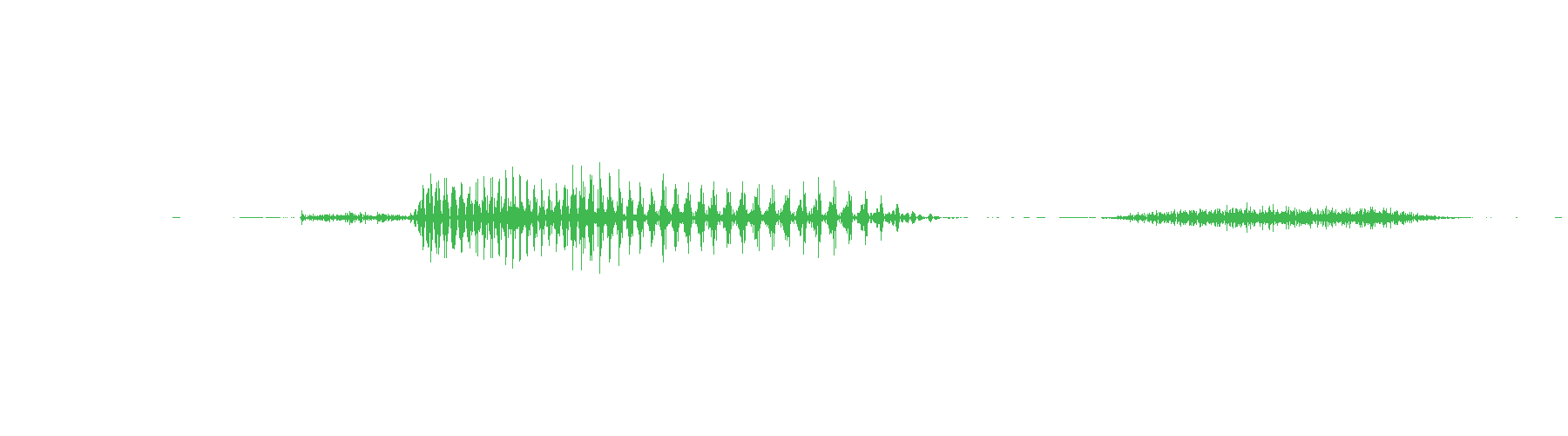
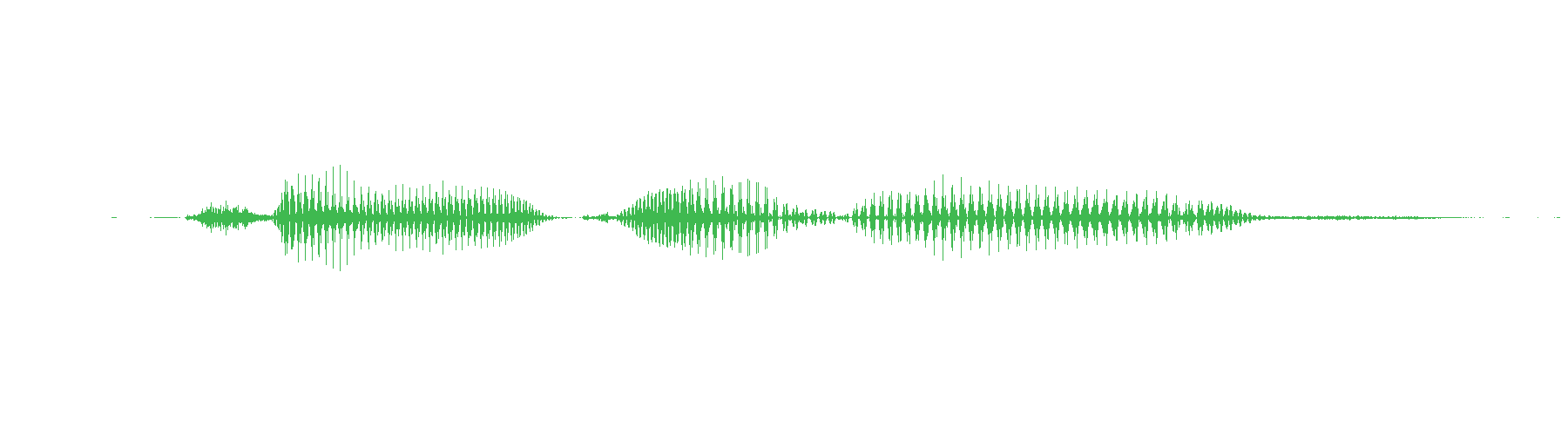
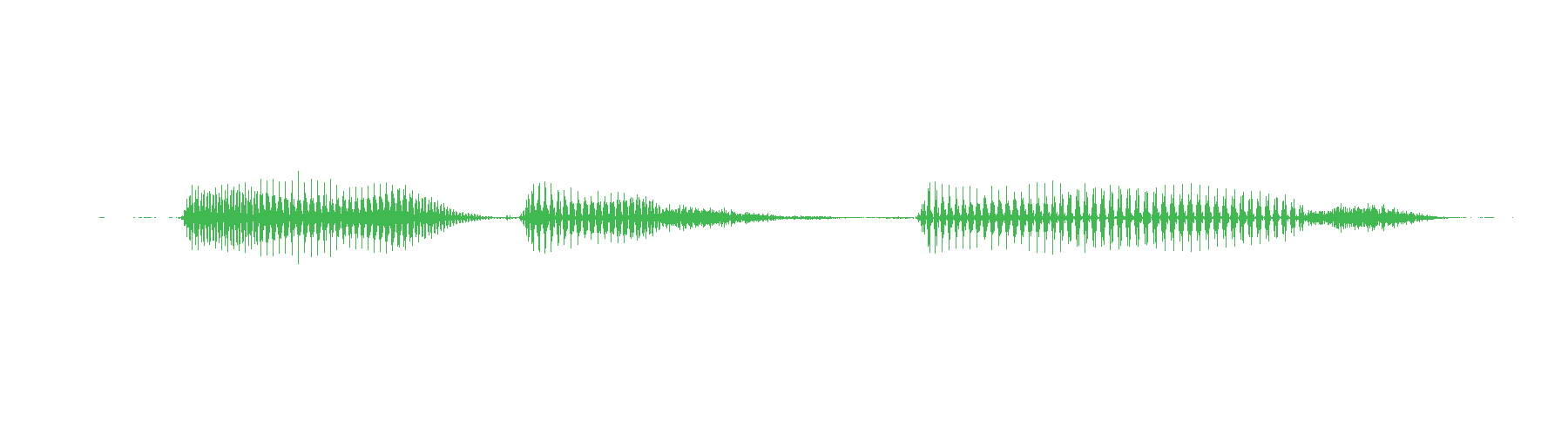
Here we zoom in on just a few moments from the conversation. We compare Ning's pronunciation with a standard speaker model (we call her Polly!) so you can both hear and SEE the difference in the sound waves. It's a great way to train your ear.

ในส่วนนี้ เราจะซูมเข้าไปดูเพียงไม่กี่ช่วงเวลาจากบทสนทนา เราจะเปรียบเทียบการออกเสียงของคุณหนิงกับเสียงต้นแบบของเจ้าของภาษา (เราเรียกเธอว่าพอลลี่!) เพื่อให้คุณสามารถทั้ง 'ได้ยิน' และ 'เห็น' ความแตกต่างในคลื่นเสียงได้ เป็นวิธีที่ดีเยี่ยมในการฝึกหูของคุณค่ะ

1
cats
at 00:35 in the interview · ที่ 00:35 นาทีของบทสัมภาษณ์
Ning — from the interview หนิง — จากบทสัมภาษณ์
Waveform of Ning saying cats
Ning produced / เสียงของหนิง
/kæts/
Native reference · AWS Polly เสียงเจ้าของภาษา (AWS Polly)
Waveform of target pronunciation
Target / เสียงเป้าหมาย
/kæts/

This is a wonderful example of Ning producing a perfect final /s/ sound. While this sound can sometimes be tricky for Thai speakers, Ning does it beautifully here. This shows she absolutely can make this sound clearly.

นี่เป็นตัวอย่างที่ยอดเยี่ยมของการที่คุณหนิงออกเสียง /s/ ท้ายคำได้อย่างสมบูรณ์แบบเลยค่ะ แม้ว่าเสียงนี้บางครั้งอาจเป็นเรื่องยากสำหรับคนไทย แต่คุณหนิงก็ทำได้อย่างสวยงามในคำนี้ แสดงให้เห็นว่าเธอสามารถออกเสียงนี้ได้อย่างชัดเจนแน่นอนค่ะ

Teaching tipเคล็ดลับการฝึก

Let's use this word, 'cats', as a model for other plural words to help make that final /s/ sound strong every time.

เรามาใช้คำว่า 'cats' เป็นต้นแบบสำหรับคำพหูพจน์อื่น ๆ เพื่อช่วยให้เสียง /s/ ท้ายคำหนักแน่นขึ้นในทุก ๆ ครั้งกันนะคะ

2
childhood life
at 04:00 in the interview · ที่ 04:00 นาทีของบทสัมภาษณ์
Ning — from the interview หนิง — จากบทสัมภาษณ์
Waveform of Ning saying childhood life
Ning produced / เสียงของหนิง
/ˈʃæl.ənʤ/ (unclear — AI transcriber heard "challenge")
Native reference · AWS Polly เสียงเจ้าของภาษา (AWS Polly)
Waveform of target pronunciation
Target / เสียงเป้าหมาย
/ˈtʃaɪld.hʊd laɪf/

This is a tricky combination of sounds! The 'ch' sound (/tʃ/) at the beginning of 'childhood' came out a little soft, more like 'sh' (/ʃ/). Also, the 'd' at the end of 'childhood' got a little bit lost before the 'l' in 'life'. This is very common when two words are pushed together.

เป็นการผสมเสียงที่ค่อนข้างยากเลยค่ะ! เสียง 'ch' (/tʃ/) ตอนต้นคำว่า 'childhood' ออกมาเบาไปนิดหน่อย คล้ายกับเสียง 'sh' (/ʃ/) ค่ะ นอกจากนี้ เสียง 'd' ท้ายคำว่า 'childhood' ก็หายไปเล็กน้อยก่อนจะเจอเสียง 'l' ในคำว่า 'life' ซึ่งเป็นเรื่องปกติมาก ๆ เวลาที่คำสองคำถูกพูดติดกันค่ะ

Teaching tipเคล็ดลับการฝึก

It can help to practice this phrase slowly, really focusing on a sharp 'CH' sound at the start and making sure we can hear the little 'd' sound: 'CHild-hooD-Life'.

การฝึกพูดวลีนี้ช้าๆ จะช่วยได้มากเลยค่ะ โดยเน้นที่เสียง 'CH' ที่คมชัดตอนเริ่มต้น และพยายามออกเสียง 'd' เบาๆ ให้ได้ยิน: 'CHild-hooD-Life' (ไชลดึ-ฮุด-ไลฟ์)

3
my best friends
at 04:53 in the interview · ที่ 04:53 นาทีของบทสัมภาษณ์
Ning — from the interview หนิง — จากบทสัมภาษณ์
Waveform of Ning saying my best friends
Ning produced / เสียงของหนิง
/maɪ bɛt frɛn/
Native reference · AWS Polly เสียงเจ้าของภาษา (AWS Polly)
Waveform of target pronunciation
Target / เสียงเป้าหมาย
/maɪ bɛst frɛndz/

This is another very common pattern for Thai speakers, so it's a great one to practice. In English, we often have groups of consonants at the end of words, like '-st' in 'best' and '-nds' in 'friends'. Ning's pronunciation simplifies these, which is natural because Thai words don't end this way. It's a small change that makes a big difference to clarity.

นี่เป็นอีกรูปแบบหนึ่งที่พบบ่อยมากสำหรับผู้พูดภาษาไทย จึงเป็นคำที่เหมาะกับการฝึกฝนมากค่ะ ในภาษาอังกฤษ เรามักจะมีกลุ่มพยัญชนะท้ายคำ เช่น '-st' ใน 'best' และ '-nds' ใน 'friends' การออกเสียงของคุณหนิงทำให้เสียงเหล่านี้ง่ายขึ้น ซึ่งเป็นเรื่องธรรมชาติเพราะคำไทยไม่มีเสียงท้ายคำแบบนี้ เป็นการเปลี่ยนแปลงเล็กน้อยที่สร้างความแตกต่างอย่างมากในด้านความชัดเจนค่ะ

Teaching tipเคล็ดลับการฝึก

Try saying the words by holding the middle sounds a little longer to make space for the end sounds: 'beSSSt' and 'frieNNNds'.

ลองพูดคำเหล่านี้โดยลากเสียงตรงกลางให้นานขึ้นอีกนิดเพื่อสร้างพื้นที่สำหรับเสียงท้ายคำนะคะ: 'เบสสสสท์' และ 'เฟรนนนด์ส'

A few grammar momentsจุดไวยากรณ์เล็ก ๆ น้อย ๆ

These are just a few small patterns we noticed. Remember, clear communication is always more important than perfect grammar, and Ning's communication is already very clear!

นี่เป็นเพียงรูปแบบเล็กๆ น้อยๆ ที่เราสังเกตเห็นค่ะ จำไว้นะคะว่าการสื่อสารที่ชัดเจนสำคัญกว่าไวยากรณ์ที่สมบูรณ์แบบเสมอ และการสื่อสารของคุณหนิงก็ชัดเจนมากอยู่แล้ว!

00:34
Ning said / หนิงพูดว่า: my favorite pet is cats.
A tiny polish / ขัดเกลาเล็กน้อย: my favorite pets are cats. / my favorite type of pet is the cat.
A small mix-up between singular 'is' and plural 'cats'. A very common point to practice!
มีการสลับกันเล็กน้อยระหว่าง 'is' ที่ใช้กับเอกพจน์ และ 'cats' ที่เป็นพหูพจน์ เป็นจุดที่เจอบ่อยมาก ๆ ในการฝึกค่ะ!
04:42
Ning said / หนิงพูดว่า: I grewed up with my friends...
A tiny polish / ขัดเกลาเล็กน้อย: I grew up with my friends...
It's so easy to forget those tricky irregular past tense verbs! 'Grow' becomes 'grew'.
การลืมกริยาช่อง 2 ที่ไม่เปลี่ยนรูปตามปกติเป็นเรื่องที่เกิดขึ้นง่ายมากค่ะ! 'Grow' จะเปลี่ยนเป็น 'grew' นะคะ
06:00
Ning said / หนิงพูดว่า: we we uh didn't met.
A tiny polish / ขัดเกลาเล็กน้อย: we didn't meet.
A great self-correction opportunity! After 'didn't', the verb goes back to its simple base form: 'meet'.
เป็นโอกาสที่ดีในการแก้ไขตัวเองเลยค่ะ! หลังจาก 'didn't' เราจะใช้กริยาช่อง 1 ที่ไม่ผันรูป คือ 'meet' ค่ะ
08:34
Ning said / หนิงพูดว่า: the email that I just drafting.
A tiny polish / ขัดเกลาเล็กน้อย: the email that I was just drafting. / the email I just drafted.
This sentence just needs a small helping verb like 'was' to be complete, or we can change 'drafting' to 'drafted'.
ประโยคนี้ต้องการกริยาช่วยเล็กๆ อย่าง 'was' เพื่อให้สมบูรณ์ หรือเราสามารถเปลี่ยน 'drafting' เป็น 'drafted' ก็ได้ค่ะ
09:00
Ning said / หนิงพูดว่า: at the another location.
A tiny polish / ขัดเกลาเล็กน้อย: at another location.
'Another' already includes the idea of 'a' or 'an', so we don't need 'the' before it.
คำว่า 'Another' มีความหมายของ 'a' หรือ 'an' อยู่ในตัวแล้ว เราจึงไม่จำเป็นต้องใช้ 'the' นำหน้าค่ะ
13:18
Ning said / หนิงพูดว่า: my home didn't... was safe.
A tiny polish / ขัดเกลาเล็กน้อย: my home was safe.
Ning communicates the meaning perfectly here. For the grammar, we can just say 'my home was safe' directly.
ตรงนี้คุณหนิงสื่อความหมายได้สมบูรณ์แบบเลยค่ะ สำหรับไวยากรณ์ เราสามารถพูดตรงๆ ได้เลยว่า 'my home was safe' ค่ะ

Full conversationบทสนทนาฉบับเต็ม

Here is the full transcript of our chat. We've kept in all the little pauses and filler words like 'um' and 'uh' on purpose, because that's what real, natural conversation sounds like!

นี่คือบทสนทนาฉบับเต็มของเราค่ะ เราจงใจเก็บเสียงหยุดเล็กๆ น้อยๆ และคำพูดติดปากอย่าง 'um' และ 'uh' ไว้ เพราะนั่นคือสิ่งที่ทำให้บทสนทนาฟังดูสมจริงและเป็นธรรมชาติค่ะ!

00:03
Interviewer
Okay. Are you ready?
00:04
Ning
Yes.
00:06
Interviewer
All right.
00:08
Interviewer
Tell me about yourself.
00:10
Ning
Myself?
00:12
Ning
Um my my name or my nickname, my nickname is Lin.
00:18
Ning
Yeah. I've been working here for almost three, no, oh yeah, almost two years.
Hesitation and self-correction on the time frame.
00:29
Ning
Yes. Uh, my my favorite pet is cats.
Grammar issue: singular verb 'is' with plural noun 'cats'.
00:36
Ning
Yeah, they uh their uh their names um cafe and meow.
Hesitation while recalling the names.
00:47
Interviewer
Yeah. How old are your cats?
00:49
Ning
Oh, it's almost seven or eight. Or eight. Yes.
00:55
Interviewer
I like cats very much too.
00:57
Ning
Yeah, yeah.
01:41
Interviewer
Do you like dogs?
01:43
Ning
Yeah, yeah. I I like dog. I I also like dog too, but if like uh comparing about uh with cat and dog, I prefer cat more.
Uses 'dog' in singular form when referring to the species generally.
01:54
Interviewer
Yeah, me too.
01:57
Interviewer
How about your daily routine?
02:00
Interviewer
Can you tell me about your daily routine?
02:03
Ning
My daily routine uh start with
Long pause before starting the description.
02:12
Ning
brush my teeth and like uh get ready and ride or drive uh ride my motorcycle to here.
02:24
Ning
Yeah, and work and working all days and then back home. That's it.
02:32
Interviewer
What is your job?
02:35
Interviewer
What what is your job?
02:37
Ning
Um, my job, uh, my job, my job is about uh, uh my my position is course consultant. Yeah, but like the the the sub what what does what can I call? But I'm in charge of uh teacher placement at the school.
Significant word-finding difficulty and self-correction when trying to describe her job role.
03:30
Interviewer
Ah.
03:30
Ning
Yes.
03:30
Interviewer
So I want to be very nice to you.
03:33
Ning
A plus plus.
03:34
Interviewer
for sure.
03:39
Interviewer
What is the biggest challenge in your life?
03:45
Ning
Biggest challenge
03:49
Ning
My biggest challenge is to survive every day.
03:55
Interviewer
Very good answer. That's a very hard question.
04:00
Interviewer
If you were rich, what would you do?
04:06
Ning
If uh I I I would quit my job.
Responds quickly and confidently to this hypothetical question.
04:11
Ning
and then like uh spend time with traveling and with my family, my friends, yes.
04:22
Interviewer
Can you tell me about when you were young?
04:27
Interviewer
What was your childhood like?
04:30
Ning
Uh my childhood life was uh grown up with uh no, again, again. Um my my childhood life, yeah, uh I grewed up with my friends at the school
False start and self-correction. Uses non-standard past tense 'grewed up'.
04:45
Ning
and like uh we we've been we've been together for almost 20 years. Yeah, we we had uh and my my childhood life is it was fun.
Mixes present perfect ('we've been') with simple past context. Self-corrects 'is' to 'was'.
04:58
Ning
I mean like uh have have had like a a lot of memories. Yeah, with my friend, my family, yeah.
05:04
Interviewer
Who was your best friend?
05:08
Ning
My best friend, my best friend uh her name, her name is Dada. Yeah, yeah. Actually, actually uh I I I have uh three three uh three best friends. Three best friends. It's it's called it can call like as a group.
Struggles slightly with phrasing 'it can call like as a group'.
05:20
Ning
Yeah, that we when we like uh when we travel together, we spend time together.
05:24
Interviewer
Oh, that's great. That's very nice. It must be a lot of fun to travel and go to restaurants and do all those things together.
05:33
Ning
Yes, yes, sure.
05:35
Interviewer
So you still know Dada and your other friends now?
05:39
Ning
Yes, yes, yes, exactly.
05:46
Interviewer
Did you and your friends do anything together last weekend?
05:51
Ning
Last weekend,
05:54
Ning
uh no. Uh if for if for Dada, if for my best friend, no, because we we uh didn't met. We didn't met together since uh the last two week. Yeah, but I but I met with my my my friend, my my college friend. Yeah, we like uh we went to the holiday together.
Uses 'met' instead of 'meet' after 'didn't'. Uses 'the last two week' instead of 'two weeks ago'.
06:44
Interviewer
What was the most delicious food you ate last week?
06:49
Ning
Last week.
06:53
Ning
I ate shrimp grill. Yeah, shrimp grill at at Phuket. Oh. Yeah. Very nice. At Phuket and and also with uh pineapple fried rice. Yes.
Pronunciation of 'grilled' as 'grill'. Uses 'at' for the province 'Phuket'.
07:07
Interviewer
Was it was the shrimp spicy?
07:09
Ning
Uh, not really. Not really. Yes.
07:12
Interviewer
Do do you like spicy food?
07:14
Ning
Yes, yes, sure.
07:17
Interviewer
Of course, you're Thai.
07:18
Ning
Yes.
07:20
Interviewer
What kind of job would you like to do in the future?
07:25
Ning
Uh
07:37
Ning
I would I would like to do the job about uh uh about the IT, IT system or something like that. Yeah, because now because now like we as as you know that everything have to be like on the internet or in the IT. Yeah. That that's actually uh I worked in software for 20 years. And so now coming here, that's my main idea is to help students learn AI so then they can use that to do English and they can be empowered. So I have one student and I said, okay, I'm going to teach you the word web page. Oh. And so I said, now, go to chat GPT and tell chat GPT and Thai to make a web page about dogs because she liked dogs. So it did. And I said, okay, copy that, put it there and get up and then it's a web page. Yeah. So then she was like, oh, wow. Yeah, yeah. Now she can make web pages and she only had to learn one word. Yeah. And now she knows how she can do things with chat GPT too. So I feel like I can help my students and teachers and schools with technology to go very quickly and make things easier. By by using the AI, right? Using the chat GPT. Yeah, yeah, yeah. It was good. It was good. Yeah. Oh, I'm so excited. I'm happy to hear you say that about IT. Oh, I hope all my students are like you. I'll be so happy. Yeah.
This long segment is a mix of the student's answer and the interviewer's extended response and anecdote. The student's initial answer is clear, showing interest in IT.
08:27
Interviewer
What are you going to do after this interview?
08:30
Ning
Uh, I'm I'm going to reply the email that I just drafting.
Grammar issue: uses 'drafting' instead of 'was drafting' or 'drafted'.
08:36
Interviewer
Okay.
08:40
Interviewer
And what are your plans for this weekend?
08:45
Ning
Uh, this weekend, I don't have I don't have any plans because we we were asked to work because we uh at the EFL uh like uh we we will have the grand opening for the second branch. Oh. Yeah, at at the another location. So all the staff were asked to to work in the weekend. Yes.
Uses 'at the another location' instead of 'at another location'.
09:07
Interviewer
If if I ask you about IT,
09:10
Interviewer
uh what what do you like uh in computers? What kind of programs or what do you like to do with computers?
09:21
Ning
Um
09:27
Ning
Uh for the IT things, I like yeah, I I like to use the chat GPT or the program to create the to create the uh the picture or like uh can or use uh the program to to order the uh what what is it like uh to use the program to to use the program to do the do the 3D printing.
Word-finding difficulty when trying to describe the function of the program.
09:44
Interviewer
Oh, wow.
09:45
Interviewer
Do you have a 3D printer?
09:48
Ning
Uh uh no, I don't have, but I I have my friend that that they that they have it.
09:54
Interviewer
Oh, cool.
09:54
Ning
And they and they and they they taught me how how to use it. And I was and I think it's uh it's very fun to to use these things to like uh to build a uh the the 3D toys or the 3D printings. Yeah.
10:08
Interviewer
Yeah, I feel like that kind of thing is very magical. You know, it's just so much fun. Yes, yes, yes. It's like it seems very hard, but when you do it, it's kind of easy. Yes. And so it's fun. Yes, yes, yes, sure.
10:27
Interviewer
Can you tell me about a time when you felt very proud of yourself?
10:32
Ning
Very proud of myself.
10:37
Ning
Recently. Recently, as as you know that uh last week, I went to Phuket, right? And I went to um uh Krating, Krating Cape. Yeah, and it's very uh actually it was a it was a hill, a very high hill that it's quite it's quite uh take time to walk uh to be like uh to be there.
Uses 'take time' instead of 'takes time'.
10:50
Ning
Yeah. And for me, uh is is quite challenge for me to like uh to take to take time to walk to uh to the to Krating Cape because it's uh I I had to walk around 20 25 or 30 minutes. Yes, to be there.
Pronounces 'challenge' with stress on the second syllable.
11:05
Ning
And to it's very hot and tiring. Yeah, yes, yes, yes, yes. And when when I was when I I was there is quite it's kind of like, yeah, I can do it. Yeah, because actually I I didn't do any workout or like uh anything about exercise.
11:17
Interviewer
Same me.
11:20
Interviewer
Who is the most important person in your life?
11:26
Ning
Uh of of course that it uh it it will be my parents, my parents and my younger brother and my cats as well.
11:35
Interviewer
If you could eat dinner with a famous person, who would you eat dinner with?
11:45
Ning
I I would eat dinner with Bruno Mars. Yes, the singer.
11:52
Interviewer
If you could work in Australia, would you go?
11:58
Ning
Yeah, sure. Of course. If if if I if I have a chance, yes, I would go.
12:07
Interviewer
What would you do if there was a big flood in Chiang Mai?
12:16
Ning
Again, please. I didn't hear you.
12:19
Interviewer
If there was a big flood in Chiang Mai, what would you do?
12:26
Ning
What what would I do?
12:30
Ning
Uh I I would just stay at home. Yes.
12:37
Interviewer
With with flood, big flood?
12:39
Ning
Yeah. Yeah, I would just stay at home. Yes. Yes. Yes, sure. Okay. Because um because last time when when the big big flood happened in Chiang Mai, right? It just around this area, but my my my home didn't didn't like was safe. Yes, yes, it was safe. So I I don't have any idea about this. Yeah. I'm very lucky you can just stay home. Yes, yes, yes, sure.
Communicates the idea effectively, though the grammar is a bit mixed ('my home didn't was safe').
13:28
Interviewer
Okay.
13:31
Interviewer
How old will you be in 10 years?
13:36
Ning
How old in the next 10 year?
13:39
Interviewer
Yeah, in 10 years, how old will you be?
13:42
Ning
40.
13:44
Ning
40. 40 years old.
13:48
Interviewer
All right. Last question.
13:52
Interviewer
What time will you eat dinner tonight?
14:01
Ning
I'm not sure the exact time, but um I'm planning to go to eat dinner around 7 or 8 pm. Yes.

Five beautiful sentences from Ningประโยคสวย ๆ ห้าประโยคจากหนิง

Here are five sentences from the interview that show Ning thinking in English. Each one is broken into its grammatical parts — the colored boxes show each word's role (subject, verb, object, and so on), and the bands below show how those words join up into phrases. Read them to see where Ning's grammar is already doing B1 work.

ประโยคห้าประโยคต่อไปนี้เป็นตัวอย่างที่หนิงคิดเป็นภาษาอังกฤษได้อย่างเป็นธรรมชาติแล้ว แต่ละประโยคถูกแยกออกเป็นส่วนไวยากรณ์ กล่องสีแต่ละกล่องแสดงบทบาทของคำ (ประธาน กริยา กรรม ฯลฯ) และแถบด้านล่างแสดงว่าคำเหล่านั้นรวมกันเป็นวลีอย่างไร ลองอ่านดูเพื่อเห็นว่าไวยากรณ์ของหนิงทำงานในระดับ B1 ได้แล้วค่ะ

1
03:49
My biggest challenge is to survive every day.
Mydeterminerbiggestadjectivechallengesubjectisverbtoprepositionsurviveverbeverydeterminerdayadverb
Subject
ประธาน
Verb
กริยา
Complement (Infinitive Phrase)
ส่วนเติมเต็ม (กริยาวลี)

This sentence has a complex subject ('My biggest challenge') and uses an infinitive phrase as the complement.

ประโยคนี้มีโครงสร้างที่น่าสนใจมากค่ะ มีประธานที่เป็นกลุ่มคำ ('My biggest challenge') และยังใช้วลี infinitive เป็นส่วนเติมเต็มประโยคด้วย เก่งมากค่ะหนิง

2
08:45
I don't have any plans because we were asked to work.
Isubjectdoverbn'tadverbhaveverbanydeterminerplansobjectbecauseconjunctionwesubjectwereverbaskedverbtoprepositionworkverb
Main Clause
ประโยคหลัก
Conjunction
คำเชื่อม
Subordinate Clause
อนุประโยค

You correctly used a 'because' clause to give a reason and even used the passive voice 'were asked'.

หนิงใช้ 'because' เพื่อให้เหตุผลได้ถูกต้อง แถมยังใช้ passive voice 'were asked' ได้อย่างเป็นธรรมชาติมากค่ะ

3
09:54
they taught me how to use it.
theysubjecttaughtverbmeobjecthowadverbtoprepositionuseverbitobject
Subject
ประธาน
Verb
กริยา
Indirect Object
กรรมรอง
Direct Object (wh-clause)
กรรมตรง (อนุประโยค)

This is a great past-tense sentence with a complex object structure: 'taught me [something]'.

ประโยคนี้เป็นการเล่าเรื่องในอดีตที่ยอดเยี่ยมมากค่ะ มีโครงสร้างกรรมที่ซับซ้อน ('taught me [something]') ซึ่งหนิงทำได้ดีมากเลย

4
10:50
I had to walk around 25 or 30 minutes.
Isubjecthadverbtoprepositionwalkverbaroundpreposition25adjectiveorconjunction30adjectiveminutesobject
Subject
ประธาน
Verb Phrase (modal)
กลุ่มกริยา (กริยาช่วย)
Adverbial Phrase
กริยาวิเศษณ์วลี

Using 'had to' shows you can talk about necessity in the past, which is a key B1 skill.

การใช้ 'had to' แสดงให้เห็นว่าหนิงสามารถพูดถึงความจำเป็นในอดีตได้ ซึ่งเป็นทักษะสำคัญของระดับ B1 เลยค่ะ เก่งมากค่ะ

5
11:45
I would eat dinner with Bruno Mars.
IsubjectwouldverbeatverbdinnerobjectwithprepositionBrunoobjectMarsobject
Subject
ประธาน
Verb Phrase
กลุ่มกริยา
Direct Object
กรรมตรง
Prepositional Phrase
บุพบทวลี

This sentence perfectly expresses a hypothetical situation using the modal verb 'would'.

ประโยคนี้แสดงถึงสถานการณ์สมมติได้ยอดเยี่ยมมากเลยค่ะหนิง โดยใช้กริยาช่วย ‘would’ ได้อย่างถูกต้องเลย

A letter for Ningจดหมายถึงคุณหนิง

Fantastic Progress, Ning! พัฒนาการยอดเยี่ยมมากค่ะคุณหนิง!
Dear Ning,

I was so impressed listening to our conversation! Your ability to express complex ideas, tell stories from your past, and talk about your hopes for the future is growing so much. Sentences like the ones I've highlighted show that you are really thinking in English and building more advanced structures.

Please remember that the goal of learning a language is communication, not perfection. Every time you speak, you are building fluency and confidence. Don't worry about small mistakes; they are a natural part of the learning process. You are doing wonderfully, and your hard work is clearly paying off.

Keep up this amazing effort! I am excited to see you continue to grow and achieve your language goals.

With warm regards,
Your English teacher
ถึงคุณหนิง

ครูประทับใจมากที่ได้ฟังบทสนทนาของเรานะคะ! ความสามารถในการแสดงความคิดที่ซับซ้อน การเล่าเรื่องราวในอดีต และการพูดถึงความหวังในอนาคตของคุณหนิงกำลังเติบโตขึ้นมากเลยค่ะ ประโยคที่ครูเลือกมาเป็นตัวอย่างแสดงให้เห็นว่าคุณหนิงเริ่มคิดเป็นภาษาอังกฤษและสร้างประโยคที่ซับซ้อนขึ้นได้แล้ว

อยากให้จำไว้นะคะว่าเป้าหมายของการเรียนภาษาคือการสื่อสาร ไม่ใช่ความสมบูรณ์แบบ ทุกครั้งที่ได้พูด คือการสร้างความคล่องแคล่วและความมั่นใจ ไม่ต้องกังวลกับข้อผิดพลาดเล็กๆ น้อยๆ นะคะ เพราะมันเป็นส่วนหนึ่งของกระบวนการเรียนรู้ คุณหนิงทำได้ดีมากและความพยายามของคุณก็เห็นผลอย่างชัดเจน

พยายามต่อไปนะคะ! ครูตื่นเต้นที่จะได้เห็นคุณหนิงเติบโตและบรรลุเป้าหมายทางภาษาต่อไปค่ะ

ด้วยความปรารถนาดี
ครูของคุณหนิง