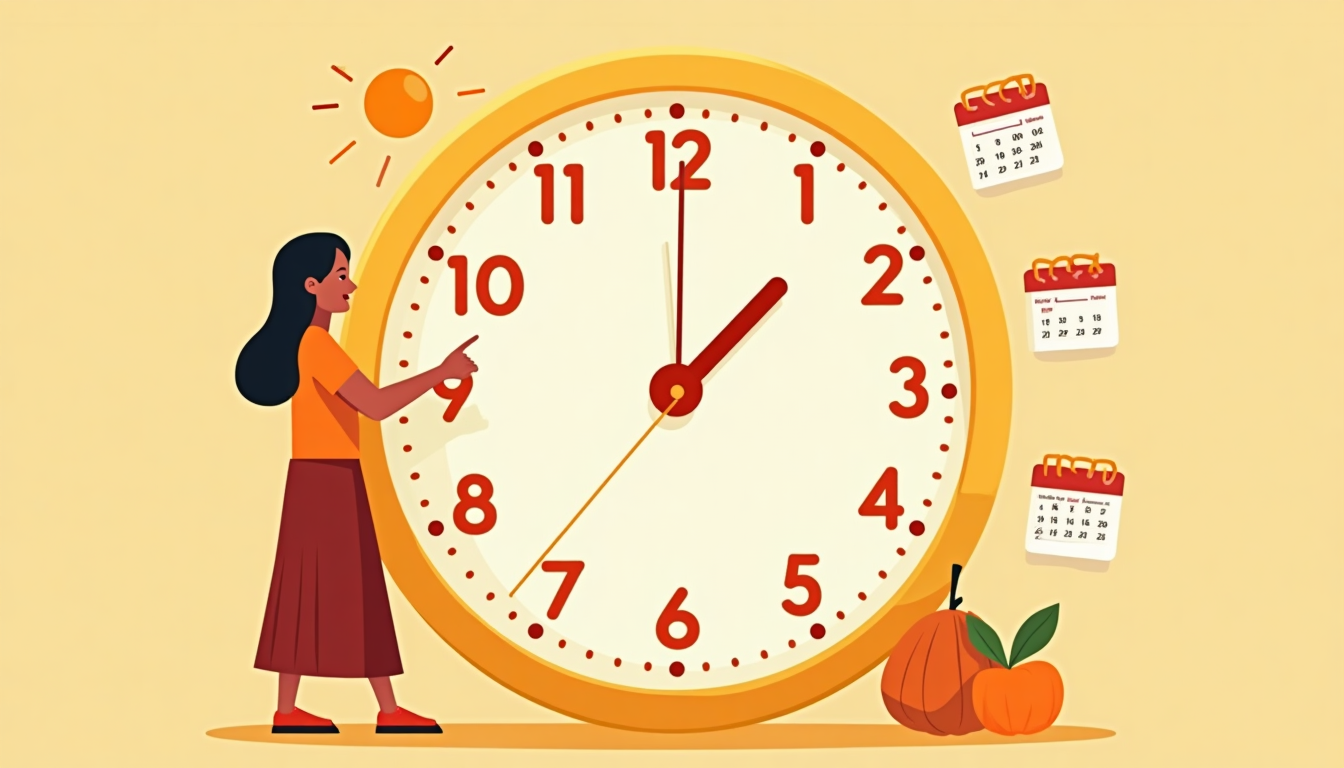
🎯 ตัวเลข วัน และเวลา
What is Numbers, Days & Time?
🇹🇭 ภาษาไทย
ตัวเลข วัน และเวลาเป็นสิ่งที่เราใช้ทุกวัน ในภาษาอังกฤษ เราต้องเรียนรู้ตัวเลข 1-30 วันในสัปดาห์ (Monday ถึง Sunday) และวิธีบอกเวลา เช่น "It is 9 o'clock." สัปดาห์นี้เราจะเรียนวิธีถามคำถามด้วย "Is...?" และ "Are...?" เช่น "Is today Monday?" — "Yes, it is." หรือ "No, it isn't." การออกเสียงตัวเลขที่ลงท้ายด้วยพยัญชนะสำคัญมาก เช่น "five" ต้องออกเสียง /v/ ท้ายคำ
🇬🇧 English
Numbers, days, and time are used every day. In English, we learn numbers 1-30, days of the week (Monday to Sunday), and how to tell time: "It is 9 o'clock." This week, we learn to ask questions with "Is...?" and "Are...?" For example: "Is today Monday?" — "Yes, it is." or "No, it isn't." Pronouncing final consonants is very important — say the /v/ at the end of "five"!
🤩 Fun Facts — ข้อเท็จจริงน่ารู้
🔹 English days of the week come from Norse mythology — Thursday means "Thor's day."
วันในสัปดาห์ภาษาอังกฤษมาจากเทพนอร์ส — Thursday แปลว่า "วันของเทพ Thor"
🔹 In Thailand, each day has a color. In English, days have no colors!
ในประเทศไทย แต่ละวันมีสี ในภาษาอังกฤษ วันไม่มีสี!
🔹 Thai people say "gee mong" (กี่โมง) but English says "What time is it?"
คนไทยพูด "กี่โมง" แต่ภาษาอังกฤษพูด "What time is it?"
🔹 The number 13 is considered unlucky in English-speaking countries.
เลข 13 ถือเป็นเลขอัปมงคลในประเทศที่พูดภาษาอังกฤษ
🧪 Quick Check — ตรวจสอบด่วน
Test your understanding — ทดสอบความเข้าใจ
What is "number" in Thai?
"number" แปลว่าอะไร?
Which is the definition of "Monday"?
คำนิยามของ "Monday" คือข้อใด?
Which grammar topic are we studying this week?
เราเรียนหัวข้อไวยากรณ์อะไรสัปดาห์นี้?
📚 คำศัพท์สำคัญ
Key Vocabulary
🧪 Quick Check — ตรวจสอบด่วน
Test your understanding — ทดสอบความเข้าใจ
What does "tomorrow" mean?
"tomorrow" หมายถึงอะไร?
"yesterday" in Thai is:
"yesterday" ภาษาไทยคือ:
Which word means: "The part of the day from noon to evening...."?
คำใดหมายถึง: "The part of the day from noon to evening..."?
📖 ไวยากรณ์: to be questions (Is she...? Are they...?)
Grammar Focus
📖 Grammar Focus: to be questions (Is she...? Are they...?)
Is she a teacher? — Yes, she is. (เธอเป็นครูไหม? — ใช่)
Is it Monday? — No, it isn't. (วันจันทร์ไหม? — ไม่ใช่)
Are you a student? — Yes, I am. (คุณเป็นนักเรียนไหม?)
Are they at work? — No, they aren't. (พวกเขาอยู่ที่ทำงานไหม?)
Is today Friday? — Yes, it is. / No, it isn't.
Are you happy? — Yes, I am. / No, I'm not.
five (ห้า) — ออกเสียง /v/ ท้ายคำ, ไม่ใช่ "fai"
eight (แปด) — ออกเสียง /t/ ท้ายคำ, ไม่ใช่ "เอ"
🚀 บทเรียนทีละขั้น
Step-by-Step Practice
1Count 1 to 30 — นับ 1 ถึง 30
2Learn the Days — เรียนวันในสัปดาห์
3Tell the Time — บอกเวลา
4Ask Questions — ถามคำถาม
🌎 การใช้งานจริง
Real World Application
💼 In Real Life — ในชีวิตจริง
In a Thai workplace, you need to understand meeting times: "The meeting is at 10 o'clock." "Is the meeting on Monday?" Understanding numbers, days, and time in English is essential for every Thai worker.
ในที่ทำงานไทย คุณต้องเข้าใจเวลาประชุม: "The meeting is at 10 o'clock." "Is the meeting on Monday?" การเข้าใจตัวเลข วัน และเวลาเป็นภาษาอังกฤษจำเป็นสำหรับคนทำงานไทยทุกคน
🧪 Quick Check — ตรวจสอบด่วน
Test your understanding — ทดสอบความเข้าใจ
Which sentence correctly uses to be questions (Is she...? Are they...?)?
ประโยคใดใช้ to be questions (Is she...? Are they...?) ถูกต้อง?
What is the Thai meaning of "o'clock"?
"o'clock" แปลว่าอะไร?
In everyday life, numbers, days & time is important because:
ในชีวิตประจำวัน ตัวเลข วัน และเวลา สำคัญเพราะ:
📝 การบ้าน
Homework
เขียนตัวเลข 1-30 เป็นคำภาษาอังกฤษ
เขียน 5 คำถามโดยใช้ "Is...?" และ "Are...?" พร้อมคำตอบ
ฝึกบอกเวลา: เขียน 5 เวลา
บันทึกเสียงตัวเองนับ 1-20 — ตรวจเสียงพยัญชนะท้าย
🎉 ยินดีด้วย! / Congratulations!
คุณจบบทเรียนสัปดาห์ที่ 3 แล้ว!
You have completed Week 3: Numbers, Days & Time! Keep learning! ไปต่อกันเลย!