
The words you need before you can argue about any of this
This page uses modern science to study a very old idea. So you need two groups of words. One group comes from Chinese philosophy. The other group is about evidence. Learn wu wei, ziran, automaticity and effect size here. Say every word aloud at least once.
本页用现代测量来讨论一个古老概念,因此需要两类词汇: 中国哲学的词汇,以及证据的词汇。请先弄清"无为""自然""自动化""效应量"这些词的意思,整场分歧都围绕它们展开。 每个词至少大声读一遍。
หน้านี้ถกเถียงเรื่องแนวคิดโบราณด้วยการวัดแบบสมัยใหม่ จึงต้องใช้คำศัพท์สองกลุ่ม คือคำศัพท์ปรัชญาจีนกับคำศัพท์เรื่องหลักฐาน ทำความเข้าใจคำว่า อู๋เหวย จื้อหราน ความอัตโนมัติ และขนาดของผลให้ดี เพราะข้อขัดแย้งทั้งหมดวนอยู่รอบคำเหล่านี้
Two groups of words. The first group comes from old Chinese philosophy. English has no single word for most of them. That is why we learn them, instead of translating them.
The second group is about evidence. These words help you decide if a modern claim is true. One pair matters most. An effect is what happens. A mechanism is why it happens. Keep those two apart and the rest of this page is easy.
- Your language has one word for some of these ideas. English needs a whole phrase. Does having one short word make the idea easier to think about?
- People translate wu wei in three ways: "non-action", "effortless action", and "actionless action". They do not mean the same thing. Which one would you teach first, and what does that choice lose?
- Choose a skill you have. Driving, cooking, music, sport. Which word on this page describes what changed in you between "bad at it" and "good at it"?
The first writer to praise wu wei was Confucius, and he meant politics
Wu wei is not one old teaching that came down to us complete. It became a philosophy word quite late. Four schools then used it for four different things. Confucius uses it once, about a king who ruled by sitting still. Laozi uses it to attack Confucian rules. Zhuangzi gives it to a cook. The Legalists throw away the spiritual part and keep it as a way to run a government.
"无为"并非一套完整传下来的古老教义。它在战国晚期才成为哲学术语, 四个不同学派用它表达四种不同意思。孔子只用过一次,讲的是垂拱而治的舜。老子用它反对儒家礼制。庄子把它交到一个厨子手里。 法家则剥去一切精神含义,只留下一种统治术。
อู๋เหวยไม่ใช่คำสอนโบราณชุดเดียวที่ส่งต่อกันมาครบถ้วน มันกลายเป็นศัพท์ทางปรัชญาในช่วงปลายยุครณรัฐ และสี่สำนักคิดใช้มันในความหมายที่ต่างกันสี่แบบ ขงจื๊อใช้คำนี้เพียงครั้งเดียว เหลาจื๊อใช้มันโจมตีพิธีกรรมขงจื๊อ จวงจื๊อมอบมันให้พ่อครัวคนหนึ่ง ส่วนสำนักนิตินิยมตัดความหมายทางจิตวิญญาณออกจนหมด เหลือไว้เพียงเทคนิคการปกครอง
Start with the two characters, because the translation causes most of the trouble. 無為 is wu, "without", plus wei, "doing". Word for word, it means "not doing". English readers see that and picture a lazy person on a sofa. After that, they are reading about the wrong thing.
The old writers mean almost the opposite. Look at their examples. An archer who never misses. A driver who never thinks about the reins. A cook who has not sharpened his knife for nineteen years. None of these people is doing nothing. Each one is doing something very hard. It just costs them nothing.
The "nothing" is in the effort, not in the action.
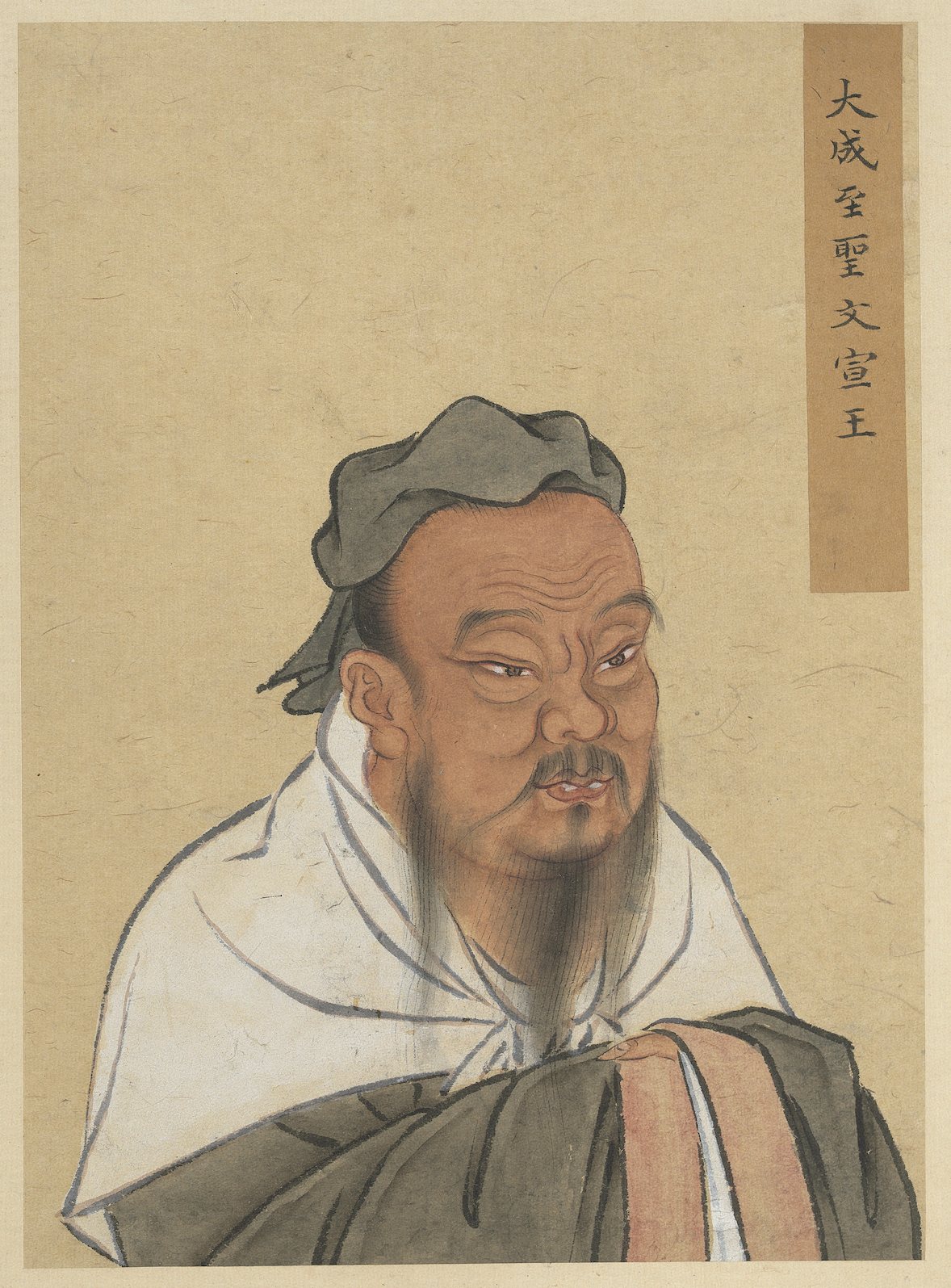
The two characters 無為 appear twice in Confucius's Analects. Only one of them is the philosophy meaning, at 15.5. (The other, at 6.13, is ordinary grammar. It just means "do not".) And 15.5 is praise: "If anyone ruled by wu wei, surely it was Shun. What did he do? He made himself respectful and faced south."
So the oldest philosophy use we still have is Confucian and political. It is not Daoist. It is not mystical. Most readers believe the opposite order.
Why the lateness matters
The two characters appear twice in the Book of Odes, the oldest Chinese poetry. But they do not carry the later meaning there. Wu wei becomes a philosophy word quite late, during the Warring States period. That was about 475 to 221 BCE — four centuries of war and collapse. Almost every other Chinese philosophical idea was built then too.
That date matters. Wu wei was not calm advice from a peaceful golden age. People worked it out while they watched their government fall apart. They were arguing, often angrily, about one question: what should you do when trying harder keeps making things worse? Read it that way and it stops sounding like a poster on a wall.
The old story puts Laozi in the 6th century BCE, just before Confucius. Modern scholars disagree. The oldest pieces of the Daodejing we have dug up are the Guodian bamboo slips. They date to about 300 BCE. Many scholars now think people built the book slowly, over a long time. It may even be later than the earliest parts of the Zhuangzi.
Nobody says the ideas are young. They say the book is younger than the legend. And the neat order "Laozi first, then Zhuangzi" may be backwards.

Four schools, four incompatible uses
Laozi uses wu wei as a weapon. Chapter 38 attacks Confucian morality directly. Real virtue is wu wei, he says, and it wants nothing for itself. Confucian virtue has to be performed. Chapter 48 gives the method: "do less and less, until you do nothing at all." Chapter 8 gives the picture everyone remembers. Water helps everything, and fights nothing.
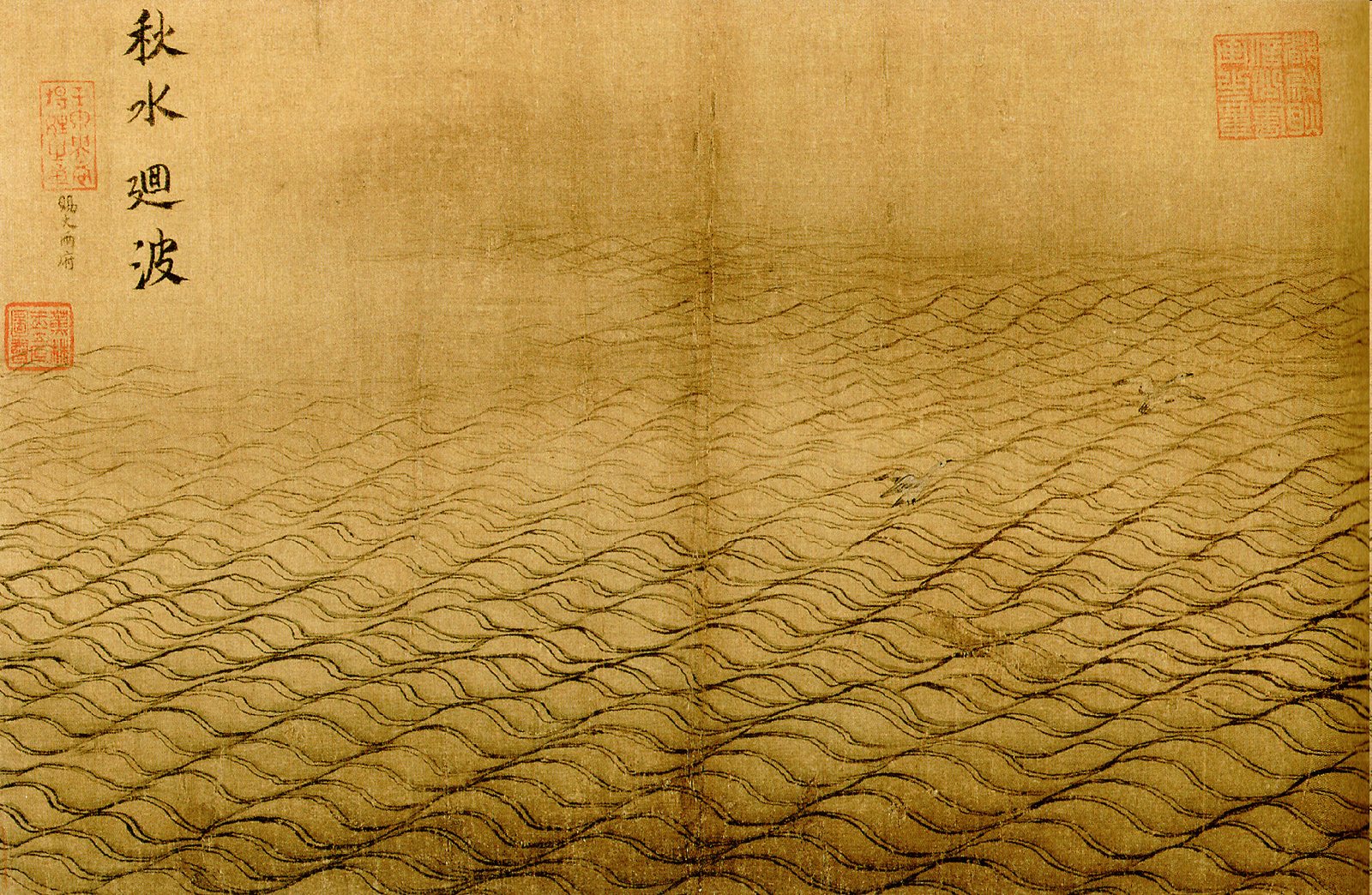
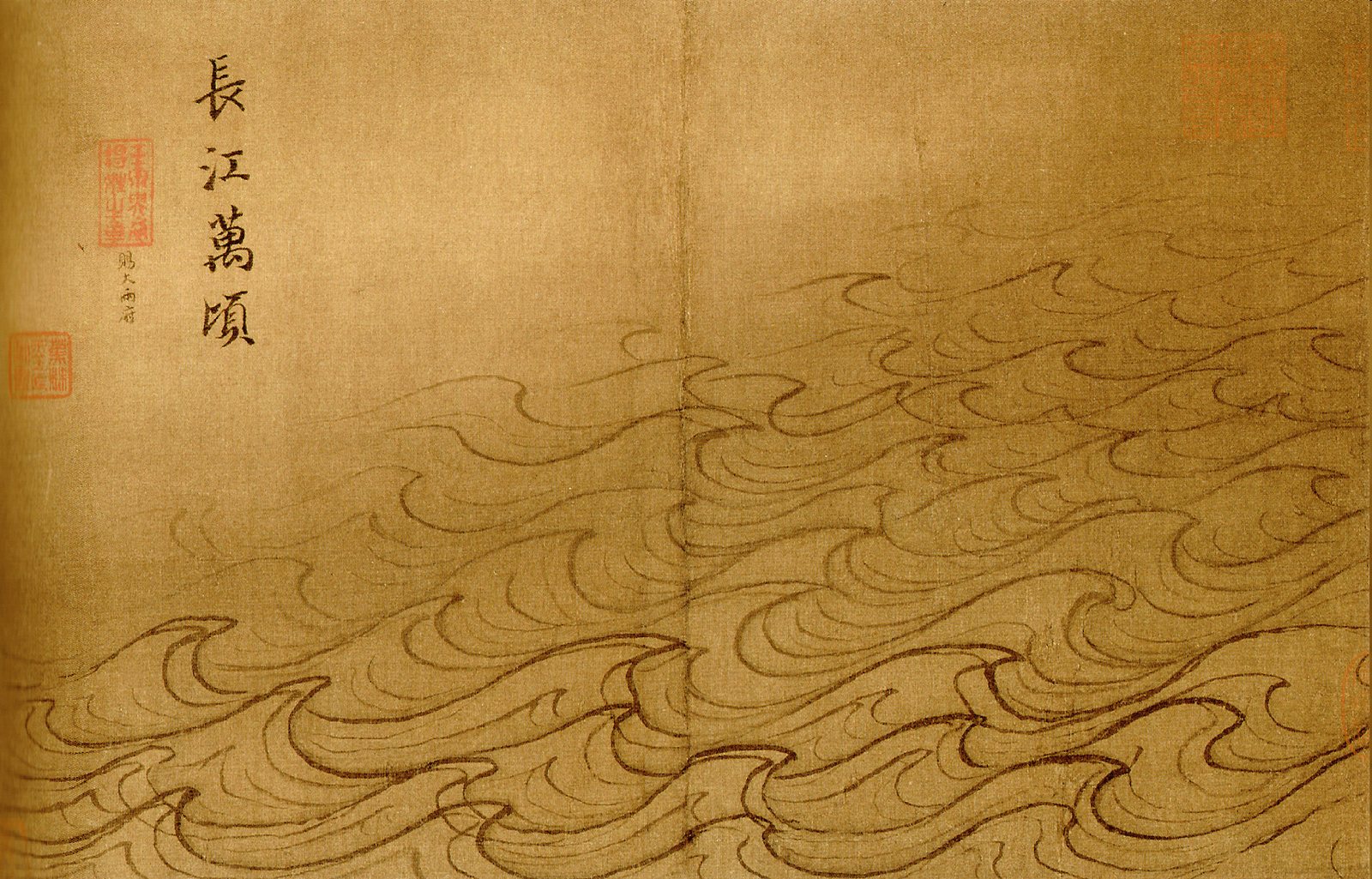
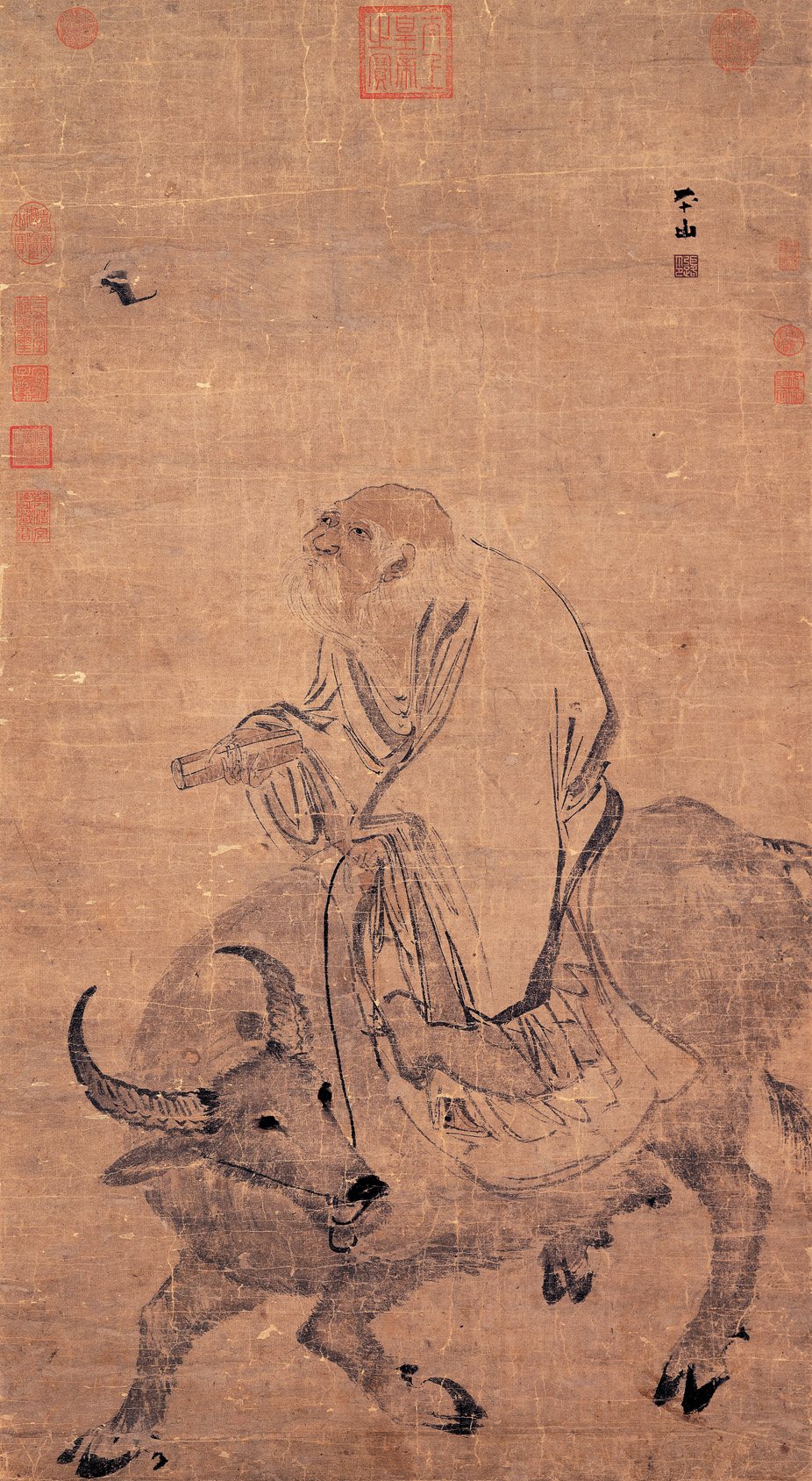
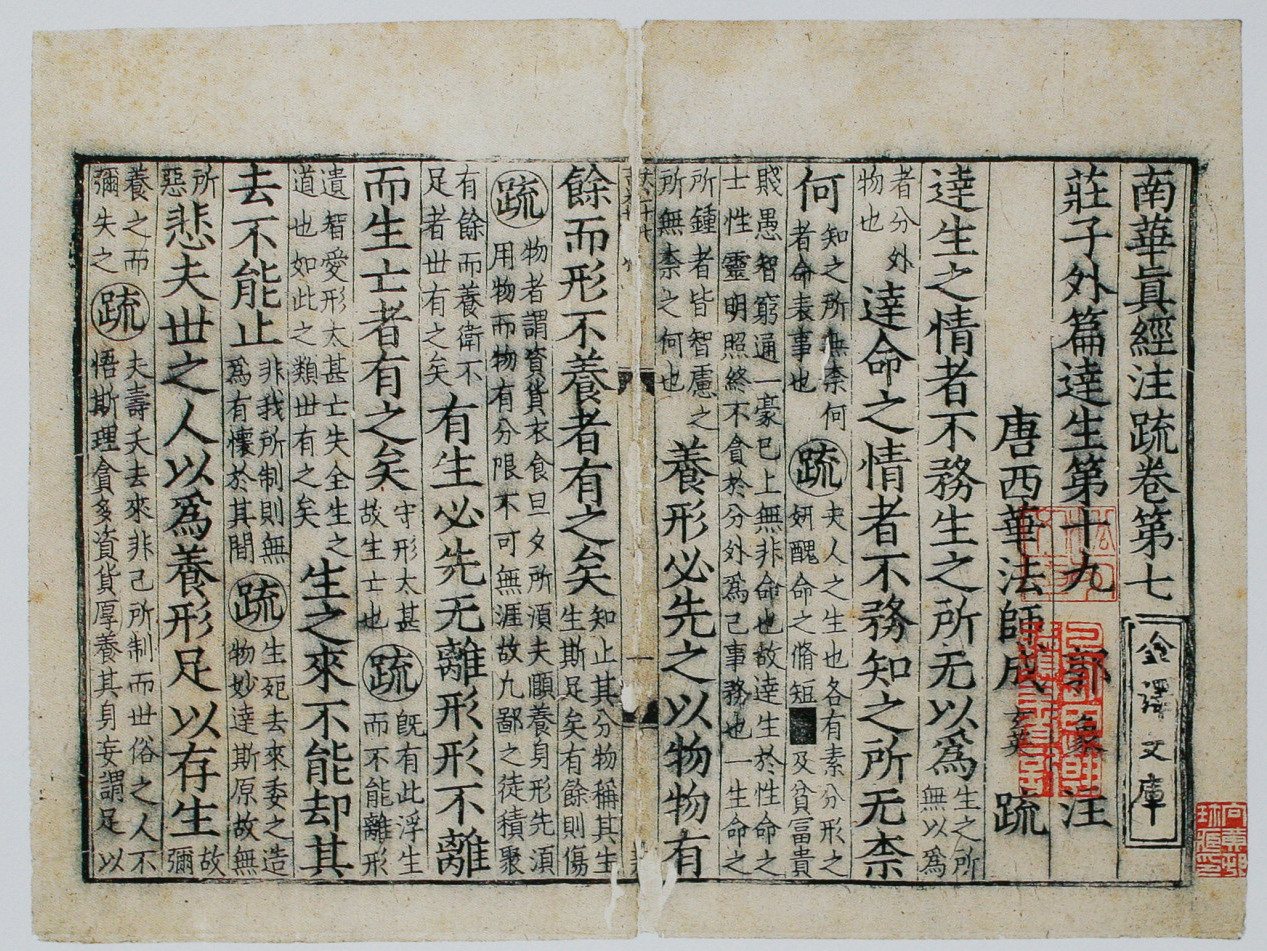
Zhuangzi takes wu wei out of the palace and gives it to workers. Cook Ding cuts up an ox for nineteen years and his knife never gets blunt. He stopped looking with his eyes. Now the knife finds the spaces that are already there. A wheelwright cannot teach his craft to his own son, because his knowledge lives in his hands. And one of Confucius's students learns "fasting of the mind" — switching off hard thinking so something quicker can answer.
The Confucians replied, and their reply is the most useful part of the whole story. It is the argument this page is about.
Mencius said human nature is already good. So you do not build goodness. You just stop blocking it. He compares it to your feet tapping to music before you decide to tap them.
Xunzi said the opposite. Human nature is bad. Ease comes only after years of training in rules that feel unnatural. Then one day, they do not.
The Legalists took the word and threw away everything spiritual in it. For Han Feizi, the ruler personally does nothing. He makes laws, standards and punishments, then lets the machine run. His stillness has a purpose: no minister can guess what he is thinking. This is wu wei as a management method — and it is the version that really ran an empire.
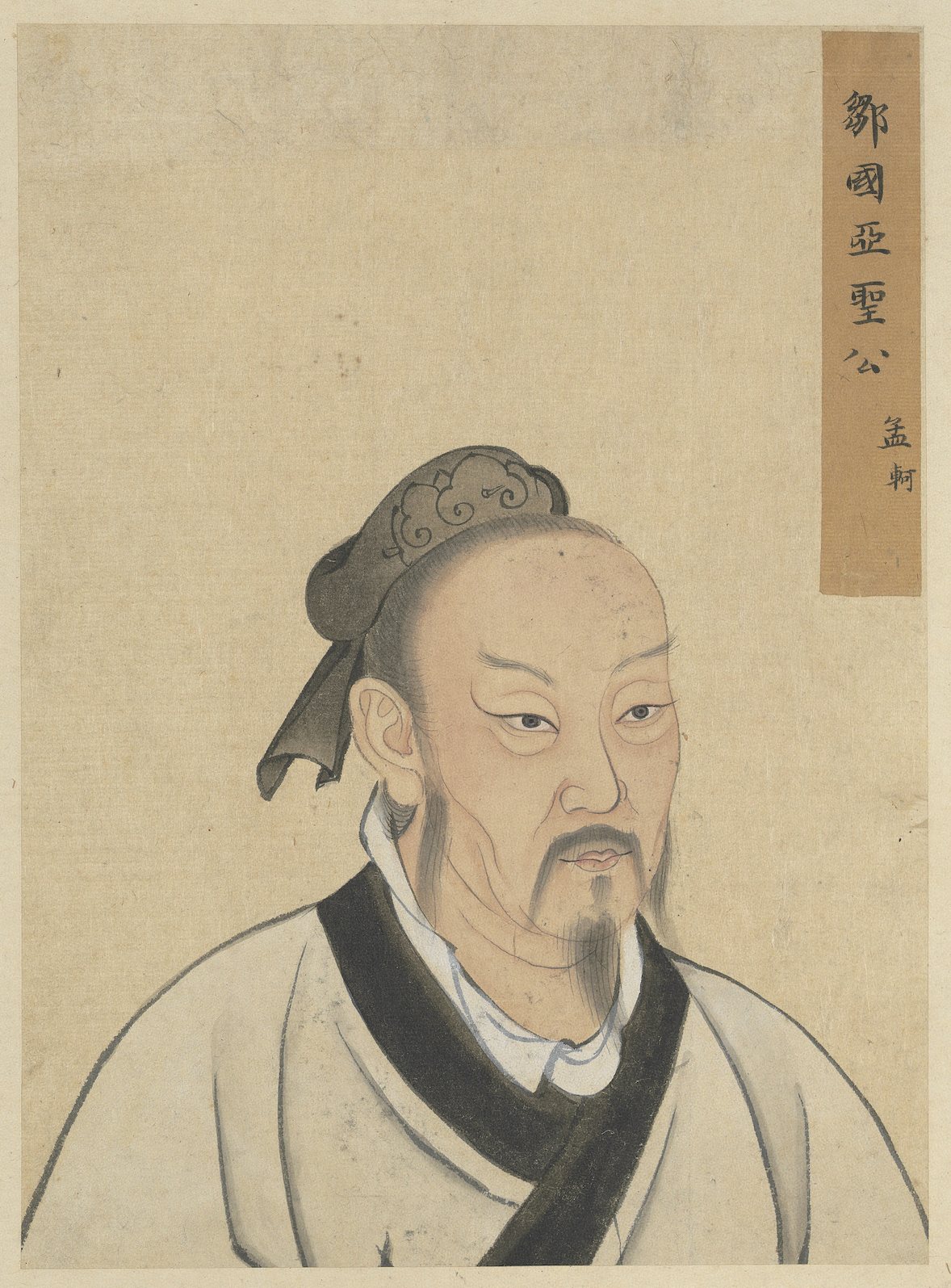
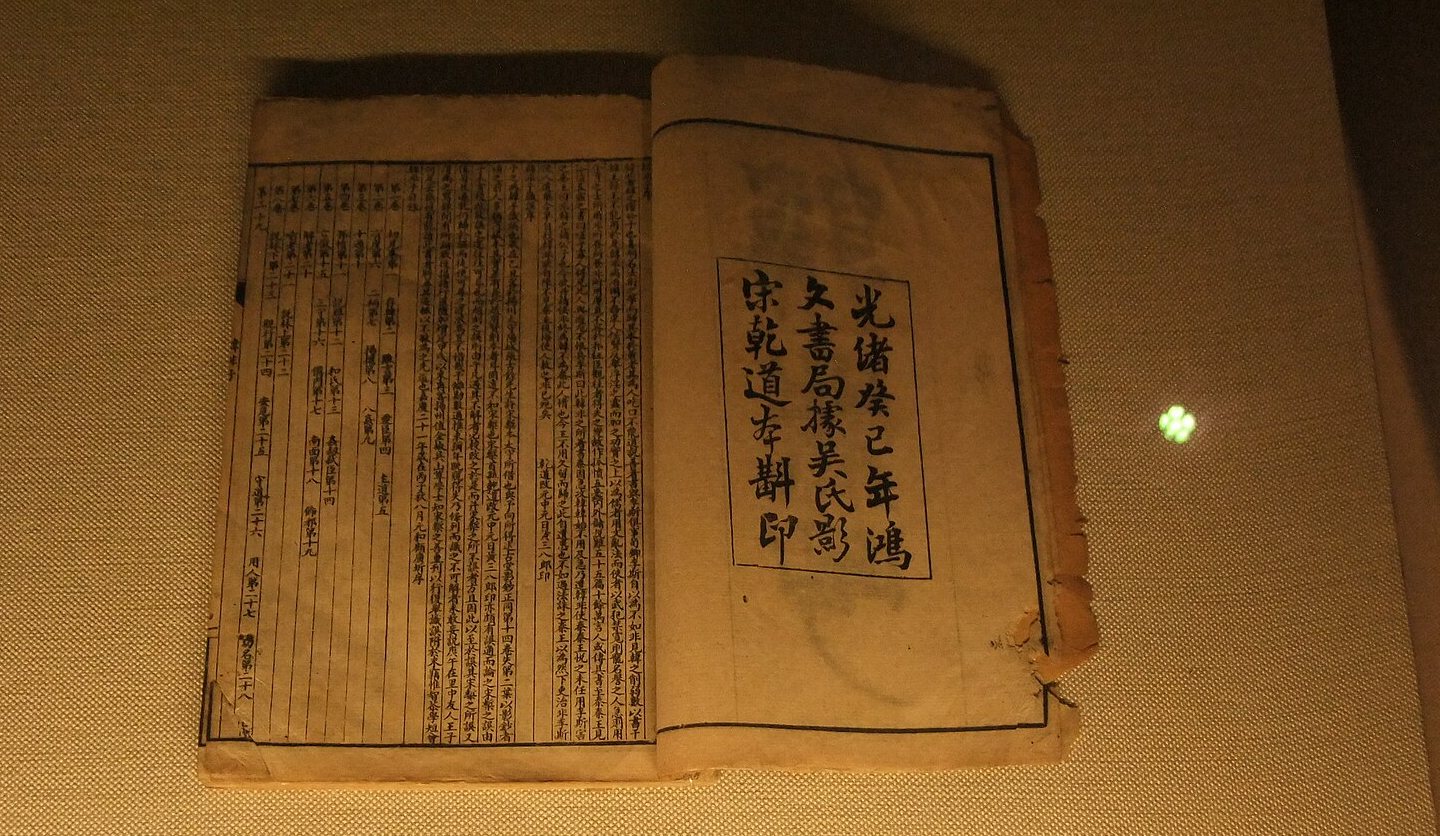
Wu wei is not a teaching that later people got wrong. It is a problem. Several schools tried to solve it and each one failed somewhere. The failures are the interesting part. Turn it into one line — "go with the flow" — and you throw away the only hard thing in it. And that hard thing is exactly what modern psychology still cannot solve.
The Han dynasty later mixed all of these views into one system. But the argument did not die. It came back in Chan (Zen) Buddhism, as a fight about whether enlightenment arrives suddenly or slowly. It came back again in Neo-Confucianism, in the split between two schools. Three traditions, two thousand years, one question: do you get there by relaxing, or only by training?
- The first praise of wu wei describes a king who ruled by sitting still. Is that a real theory of leadership, or just an excuse for a lazy king? Argue both sides before you choose.
- The wheelwright cannot explain his craft to his son in words. Name something you can do but could not teach by explaining. How would you teach it instead?
- Mencius says you are already good, so stop blocking it. Xunzi says you are not, so train for years. Which one describes how you learned something hard? Does your answer change if you pick a different skill?
How do you try not to try?
Most people are not in wu wei, so they have to get there somehow. But if you try hard to be natural, the trying spoils it. Trying is the opposite of the thing you want. Early Chinese thinkers split into two camps. One camp said: stop getting in your own way, and your nature will do the work. The other said: train until the training disappears. Neither answer solves the problem. That is why the argument lasted.
大多数人并不处于无为的状态,所以它必须以某种方式达成。 但刻意追求自发,本身就污染了自发,因为"努力"正是"无为"的反面。早期中国思想家为此分成两派: 内在派主张停止干预,本性自会成事;外在派主张接受训练,直到训练本身消失。两个答案都没有真正解决问题, 这正是它延续两千年的原因。
คนส่วนใหญ่ไม่ได้อยู่ในภาวะอู๋เหวย มันจึงต้องถูกไปให้ถึงด้วยวิธีใดวิธีหนึ่ง แต่การพยายามให้เป็นธรรมชาติย่อมทำลายความเป็นธรรมชาติเสียเอง นักคิดจีนยุคต้นจึงแยกเป็นสองฝ่าย ฝ่ายหนึ่งบอกให้หยุดขัดขวางแล้วธรรมชาติจะทำงานเอง อีกฝ่ายบอกให้ฝึกจนการฝึกหายไป ไม่มีคำตอบใดปิดปัญหาได้ และนั่นคือเหตุผลที่มันอยู่มานาน
Here is the problem in one line. The scholar Edward Slingerland puts it this way. Wu wei is a state you must work for. But working for it is the very effort it is supposed to be free of. Aim at being natural, and now you have an aim. The target moves because you looked at it.
This is not a word game. You have felt it. Try to fall asleep on an important night. Try to be charming in an interview. Try to relax before a deadline. The effort is real and honest — and the effort is exactly what makes you fail.


The two escape routes, then and now
Every serious answer is one of two moves. Here is the part worth remembering: both are alive in modern coaching, and they say opposite things.
The internalist route says the ability is already inside you. The problem is that you keep interfering. Laozi, Zhuangzi and Mencius all say a version of this. Stop grabbing. Stop calculating. Unlearn what was added on top. What is left will act correctly by itself. In a modern gym you hear it like this: "get out of your own way", "stop thinking, just hit it", "trust your training".
The externalist route says there is nothing inside yet to release. Xunzi is blunt. Leave human nature alone and you get chaos. A wise person's ease is the end product of years of hard training. The forms felt fake the whole time — until one day they did not. In a modern gym this is ten thousand repetitions, drills, and a coach fixing your grip for two years.
Neither route escapes the problem. The internalist must explain something awkward: if the ability is already there, why do so few people show it? And any plan for removing interference is still a plan.
The externalist has the opposite trouble. How can a state that means "no effort" be the prize for years of effort? Where does the effort go?
Slingerland argues that this tension is not a fault in the tradition. It is the engine. It is why the debate kept producing new answers instead of stopping.
Two words you need alongside it
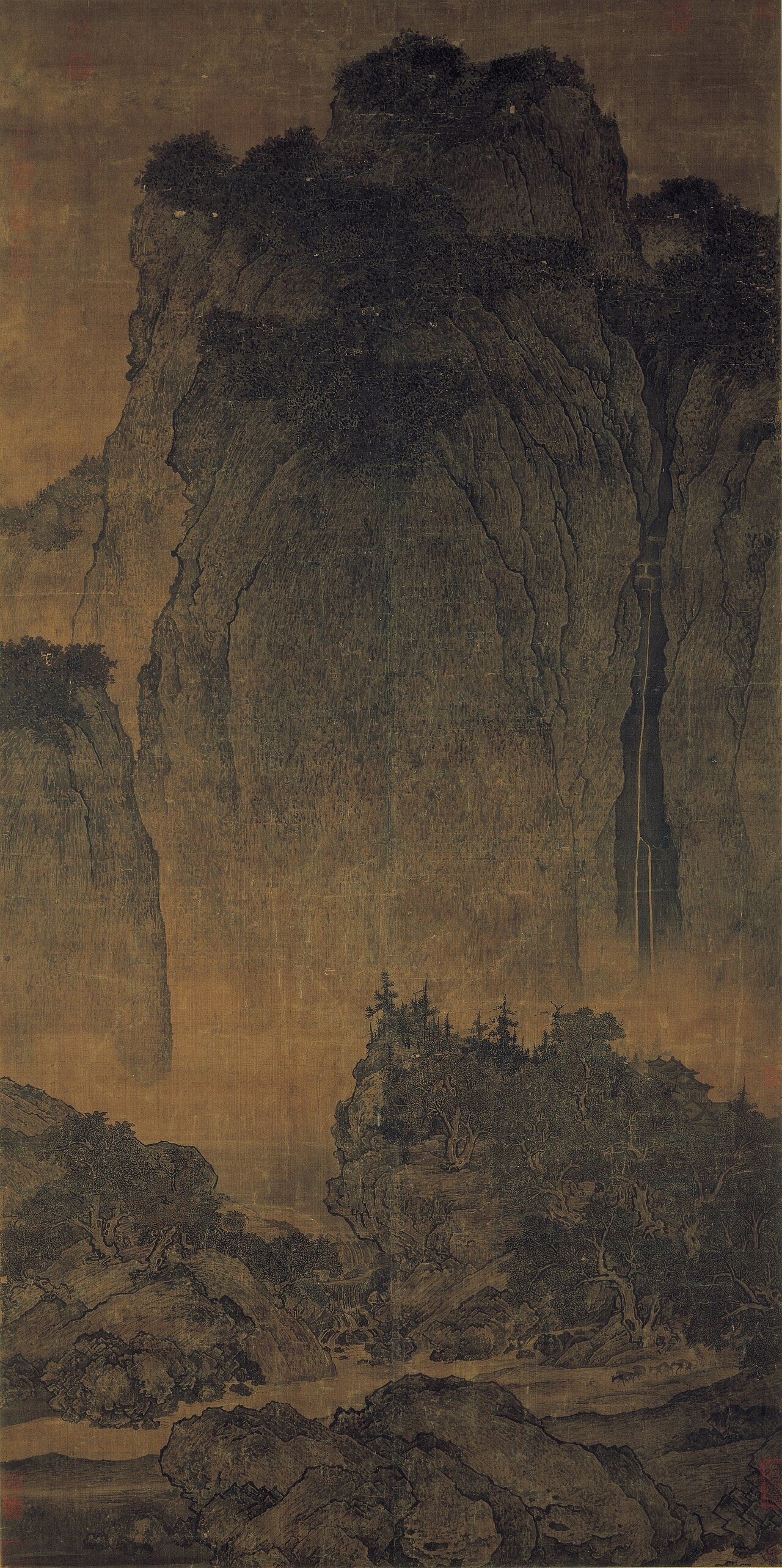
自然 ziran means "self-so": the way things are when nothing forces them. Rivers, weather, the shape of a tree. Ziran is what the world does. Wu wei is a person acting in step with it. The pair matters because it tells you what "natural" measures against. Not what feels comfortable to you. What the situation is already doing.
德 de is usually translated "virtue". It is closer to quiet authority. In the old picture, a person truly in wu wei builds up de. Other people then follow them without being pushed. So the tradition claims that ease is visible, and that it changes how others behave. Unlike most of this, that is a claim you could actually test.
The comparison everyone reaches for, and its one real problem
Modern readers meet wu wei and think at once of flow. That is the state Mihaly Csikszentmihalyi described: the challenge matches your skill, you forget yourself, and time feels strange. The two really do feel alike. That is not an accident.
But there is one difference. It is easy to miss, and hard to forget once you see it. Flow is about feelings only. It describes how the doer feels. It says nothing about what they are doing. A skilled thief can be in flow.
Wu wei claims more than that. It means you are in step with how things really are. So you cannot be in wu wei while doing something cruel or false. Take that part away and you have flow. Maybe flow is all there is — but it is a smaller claim. People drop that difference every time they treat the two words as the same.
Translating wu wei as "flow" is like translating qi as "energy". It makes a strange idea easy at once — by throwing away the part that made it worth having. Flow tells you what a good state feels like. Wu wei tried to answer a harder question: what is a good state for? Nobody can measure that question. That is exactly why it keeps getting dropped.
What wu wei is not
Three common mistakes, worth naming before section 05 starts using numbers.
Wu wei is not being passive. The main examples are a cook in the middle of a cut and an archer in the middle of a shot. The texts say clearly that this takes years.
It is not a shortcut. Nobody in these books arrives there without a long history behind them.
And it is not "going with the flow", if that means accepting whatever happens. Laozi's wise person gets things done. They do not just agree.
- Describe a time you failed at something because you tried too hard. What would "not trying" have looked like that morning, in real actions?
- A thief can be in flow. Can a thief be in wu wei? The old answer is no. Is that difference doing real work, or is it just someone's moral opinion hidden inside a description?
- You must coach a nervous twelve-year-old before a performance. Do you use the internalist line or the externalist one? Would you say the same thing to an expert?
Drive the evidence yourself before anyone tells you which camp was right
Six machines. They test both camps by the same rule. Sort the claims by how much evidence each one has. Turn attention up and down, first for a beginner and then for an expert, and watch the advice flip over. Walk along the timeline and see how late the word really arrives. Then read the effect sizes and find out how much of this has a number at all.
六个操作台,用同一把尺子衡量"内在派"与"外在派"。 先按证据强弱给各种说法排序;再分别对新手与高手调整"有意识注意"的强度,看两种建议如何完全颠倒; 接着走一遍文献年表,看看这个词到底有多晚才出现;最后读效应量,看看这一切究竟有多少真有数字支撑。
หกโต๊ะทดลอง วัดทั้งฝ่ายภายในและฝ่ายภายนอกด้วยมาตรฐานเดียวกัน จัดอันดับข้ออ้างตามน้ำหนักหลักฐาน ปรับระดับความใส่ใจรู้ตัวทั้งกับมือใหม่และผู้เชี่ยวชาญ แล้วดูว่าคำแนะนำกลับด้านอย่างไร เดินดูไทม์ไลน์ของคัมภีร์เพื่อดูว่าคำนี้เกิดขึ้นช้าแค่ไหน จากนั้นอ่านขนาดของผลว่ามีตัวเลขรองรับจริงเท่าใด
Everything below is a working machine, not a picture. When a machine shows a published result, the source is on the panel. Some machines are models instead. A model behaves the way real findings behave, but it is not a graph of anyone's data. Those say so on the panel and again in the footer.
And when something is not proved, the machine says so. It uses the same plain voice for both.
⚖️ The claim ladder
Five steps. The bottom one means "you cannot even test this". The top one means "the mechanism is proved". Each claim sits on the highest step it really reached. Green is the internalist camp. Blue is the externalist camp. Click any circle to read it. Look for one thing: the two sides fail on opposite steps.
Pick a marker
Each one names a specific claim and where the evidence for it actually stops.
🎛️ The monitoring dial — the paradox, drivable
Set two things: how skilled the performer is, and how much attention they put on their own technique. The line shows how well they do. Now drag the skill slider from low to high. Watch the line turn over. The best advice for a beginner is the worst advice for an expert. The two camps have argued about that one fact since 300 BCE.
📜 Where the word actually appears
Every book that uses 無為, placed on a time line. The colour shows which meaning the book gives it. Click any book. Look for three things. The word arrives late. Its first philosophy use is Confucian. And four schools use one phrase for four different ideas at almost the same time.
Pick a text
Each one names what wu wei is doing in that book, and how sure the dating is.
📊 How big is the effect, really?
A result can be real and very small at the same time. Headlines almost never tell you which. Each row here is a published finding, drawn to the same scale. Some rows have no number at all, and say so. Pick a row, then read what its number really lets you say about wu wei.
🌊 The flow channel — and what it does not predict
Csikszentmihalyi's map. Challenge goes up one side, skill goes along the bottom. Where the two match, you get the diagonal band. Drag both sliders and find the band. Then notice what the map cannot tell you. It shows where flow is likely. It never shows how you got skilled — and that is this page's whole question.
⚙️ Automatization — the externalist mechanism, and its price
Repeat a skill and it stops needing your attention. That is one of the firmest findings in psychology, and it is the externalist camp's mechanism for wu wei. Drag the repetitions up. Watch the attention cost fall. Then watch the third gauge, because the same process that makes a skill free also makes it hard to change.
- On the dial, advice that helps a beginner hurts an expert. Think of a teacher whose advice was right for someone else's level and wrong for yours. What should they have asked you first?
- The timeline shows four schools using one phrase for four different things, inside about a century. Does that mean the idea was rich, or that it was vague? What evidence would tell you?
- The last machine says a skill that costs you nothing is also hard to change. Name something you do automatically that you would now do differently, if you still could.
Nobody has ever measured wu wei. Here is what has been measured instead.
No machine measures wu wei. It has no unit. What laboratories measure is the things next to it. Experts get worse when they watch their own technique. Beginners get better. Practice makes a skill cheap to run. And people report a flow state near the top of their ability. Every one of those findings has limits, and the studies state those limits themselves. This section keeps them in.
没有任何仪器能测量"无为",也没有它的单位。 实验室测到的是它的邻居:高手在关注自身技术时表现变差,新手却变好;练习使技能运行成本降低; 人在能力上限附近会报告心流状态。每一项发现都带着研究自身说明的限制,本节把这些限制保留下来。
ไม่มีเครื่องมือใดวัดอู๋เหวยได้ และไม่มีหน่วยวัด สิ่งที่ห้องทดลองวัดได้คือสิ่งข้างเคียง ผู้เชี่ยวชาญทำได้แย่ลงเมื่อใส่ใจเทคนิคของตนเอง ขณะที่มือใหม่ทำได้ดีขึ้น การฝึกทำให้ทักษะใช้ทรัพยากรน้อยลง และคนรายงานภาวะลื่นไหลเมื่ออยู่ใกล้ขีดความสามารถสูงสุด ทุกข้อค้นพบมีข้อจำกัดที่งานวิจัยเองระบุไว้ และหัวข้อนี้เก็บข้อจำกัดเหล่านั้นไว้ครบ
Start with the unhelpful fact, because everything else depends on it. Wu wei has no unit and no instrument. Nobody has even agreed how to define it for a test. So nothing in this section measures wu wei. Everything here measures something the idea predicts. That is a weaker claim. It is also the honest one.
The finding the internalists get to keep
The most famous experiment here is simple. Watching your own technique makes an expert worse. Researchers have shown it in sports and in the laboratory. Give a trained performer a second task that pulls attention away from their movements, and they do fine. Ask them to watch the movement itself — which hand, which finger, the angle of the club — and their accuracy falls.
The usual explanation goes like this. A skilled action runs as one whole program. Watching it breaks it into parts. Then the performer has to put the parts back together, live, and does it badly.
This is the closest psychology comes to testing Zhuangzi in a laboratory. Be careful about what it shows. One kind of attention hurts one kind of expert. It does not show that "not thinking" makes anyone good at anything.
The effect is solid. The explanation is not.
It is tempting to say this: pressure makes you self-conscious. Being self-conscious makes you watch yourself. And watching yourself breaks the skill. This page's first draft said exactly that.
Then a review of twenty-nine studies, published in 2024, looked again. Yes, pressure does reliably make people watch themselves more. But the evidence is not strong enough to say that watching yourself is what causes the drop. And one of that review's authors is the researcher who first proposed the explanation.
So keep the observation. Hold the explanation loosely.
The finding the externalists get to keep, and it is the same experiment
Now run the same test on beginners. The result flips. Beginners who get clear instructions, and who watch their own technique, get better. They have no finished program to break. Their attention is doing the job that automatic skill cannot do yet. Machine two lets you drive that reversal yourself.
So the two camps are not contradicting each other about one thing. Each is correct about a different stage. Each then treats its own stage as the whole story. That is a better result than either side simply winning.
Xunzi and Zhuangzi were both right, about different people. The externalist story describes how you get a skill. The internalist story describes how you use one. Their 2,300-year argument may not be a disagreement about the world at all. It may be two correct reports from opposite ends of one learning curve.
This does not solve the paradox. The expert still has to stop trying, and nobody has a method for that. But it does explain why neither side could ever win.
Where the numbers get thinner
Past that reversal, the evidence gets mixed. That is normal for a field that studies feelings in small groups of people.
Flow is measured almost entirely by questionnaire. The link between reported flow and real performance is positive but small. And nobody knows which way it runs: doing well is an excellent reason to remember feeling good. Mindfulness training for athletes does have supporting studies, with the limits those studies state themselves.
Machine four puts every real number on one scale. Where no single number exists, it prints a word instead of drawing a bar. Drawing a bar there would be a lie.
Three numbers on this page come from published reviews: quiet-eye training, mindfulness training, and the link between flow and performance. All three are real. All three carry warnings that the reviewers wrote themselves — small groups, methods that differ a lot, and publication bias. (Publication bias means interesting results get published and boring ones do not. So the whole field looks stronger than it is.) Read each panel on machine four, not the headline.
The claim that has never been tested at all
And one old claim has never been tested at all. De says that a person in wu wei draws other people to them, without pushing. That is the easiest part of the whole doctrine to test — and there is no test.
The experiment would not even be hard. Show people two performers, one fluent and one struggling. Do not tell the viewers which is which. Then ask how willing they are to follow each one. Nobody has ever done it.
- One experiment supports both camps, depending on who sits in the chair. Where else do you see two people argue because they describe different stages of the same thing?
- Flow is measured by asking people how they felt. Design a test for wu wei that does not ask anyone how they felt. Say it out loud.
- Nobody has tested whether relaxed people are more persuasive. Should someone? What would change if the answer was no?
One camp explains how you get there. The other explains what it is like when you arrive.
Ask both camps the same six questions and the pattern is clear. The externalist camp explains how you get a skill, and its mechanism is proved. But it cannot say how effort turns into ease. The internalist camp describes the finished state well, and matches the best laboratory result. But it gives a beginner nothing to do. Evidence is not one score. The real skill is knowing which end of a claim failed.
用同样六个问题问两派,模式非常清楚。 外在派解释了技能如何获得,机制也已确证,却说不清努力如何变成不费力。内在派准确描述了终点状态, 与最强的实验结果相符,却给不了新手任何可用的东西。证据不是单一分数,分辨一个主张是哪一端失败,正是这项技能的全部。
ถามคำถามหกข้อเดียวกันกับทั้งสองฝ่าย แล้วรูปแบบจะชัดเจน ฝ่ายภายนอกอธิบายการได้มาซึ่งทักษะและมีกลไกที่ยืนยันแล้ว แต่บอกไม่ได้ว่าความพยายามกลายเป็นความไร้ความพยายามได้อย่างไร ฝ่ายภายในอธิบายภาวะปลายทางได้แม่นยำและตรงกับผลการทดลองที่หนักแน่นที่สุด แต่ให้อะไรที่ใช้ได้จริงกับมือใหม่ไม่ได้เลย
Put the two lists side by side and the argument changes shape. It stops being East against West, or magic against science. It becomes a question about which end of each story holds weight, and which end is empty.
| Question | Internalist — stop interfering | Externalist — train until it vanishes |
|---|---|---|
| Does it explain how a beginner becomes skilled? | No — assumes the capacity is already there | Yes — repetition, correction, automatization |
| Does it explain why experts fail under pressure? | Yes — interference, exactly as predicted | No — more training should have helped, and does not |
| Is the mechanism proved? | Partly — attention breaks a running program | Yes — automatic skill is one of psychology's firmest findings |
| Does it tell you what to do on Monday? | Not really — "stop trying" is not a method | Yes — a practice plan |
| Does it escape the paradox? | No — removing interference is still a plan | No — effort is supposed to produce its own absence |
| What does it get badly wrong? | It tells a beginner to trust instincts they have not built yet | It tells an expert to work harder at the moment that breaks them |
Read the first two rows together. That is the finding. Each camp fails on exactly the question the other one answers. One side is not right and the other superstition. They are two correct half-answers, each stretched too far.
Two different failures, needing two different answers
A true description with no method. That is the internalist problem. The description of the finished state is accurate. But there is no reliable way to produce it when you want it.
This happens often in science and it is not a scandal. People could describe sleep long before anyone could reliably cause it. So keep the description. Stop selling it as a method. And be honest that "just relax" fails most often at the exact moment you need it.
A working method that cannot explain its own goal. That is the externalist problem. The training works. The mechanism is proved. But the last step — how effort becomes ease — is never explained.
This failure is more dangerous, because it hides better. A programme that produces measurable improvement is very hard to question. Even when what it promised was not improvement.
The second failure costs more, and modern culture catches it last. "Ten thousand hours" is a real mechanism with a real effect. That is exactly what makes it useful for selling an outcome it does not deliver. It is easy to doubt the internalist promise, because it sounds like a fortune cookie. It is hard to doubt the externalist promise, because it comes with a spreadsheet. And the spreadsheet measures the part nobody doubted.
How much does practice explain? Nobody agrees, and the argument is still running. The first researchers said practice explains most of the gap between experts and everyone else. Later studies looked across many fields and put the share much lower. The number also changes a lot from field to field. Both sides use overlapping data. Machine four carries this row — read the panel, not just the number.
- Which failure would you rather live with? A true description you cannot use, or a method that works but does not give what it promised? Defend your answer with something you have really paid for.
- This page says a proved mechanism makes a weak promise more convincing, not less. Is that true of you? Describe a time a number convinced you of something you never checked.
- Your friend is stuck at a middle level, and gets worse the harder they practise. Using this table, what do you say to them? What would you need to know first?
Four questions that survive after you forget everything else here
Ask four questions about any advice on effort and skill. Whose problem is this? What exactly is being trained? What would count as evidence? And is the ease the goal, or a side effect? The fourth question is the important one. Getting it backwards is the most common mistake in this whole subject.
面对任何关于努力与技能的建议,请问四件事: 这是谁的问题、究竟在训练什么、什么算作证据、以及"不费力"是目标还是副产品。第四个问题是整个传统的枢纽, 把它弄反是这个主题上最常见的错误。
ถามสี่ข้อกับทุกคำแนะนำเรื่องความพยายามและทักษะ นี่เป็นปัญหาของใคร กำลังฝึกอะไรกันแน่ อะไรจะนับเป็นหลักฐาน และความไร้ความพยายามเป็นเป้าหมายหรือผลพลอยได้ ข้อที่สี่คือแกนกลางของทั้งประเพณีนี้ และการเข้าใจกลับด้านคือความผิดพลาดที่พบบ่อยที่สุด
You will not remember which chapter of the Daodejing says what. You might remember these.
1 · Whose problem is this — a beginner's or an expert's?
This is the most useful question on the page, and almost nobody asks it. Advice about effort depends on your level, and it flips over somewhere in the middle. "Stop overthinking it" is excellent advice for a pianist of twenty years. It is harmful advice in week three. Before you take advice, or give it, find out where on the curve the person is standing.
2 · What exactly is being trained?
"Practise more" is not a plan. The externalist case only works under three conditions. You repeat the right thing. Someone corrects you. And you work at the edge of what you can do.
Most of what people call practice is doing what they can already do. That builds automatic habits without building skill. So ask two questions: what exactly is being repeated, and who corrects it?
3 · What would count as evidence?
Wu wei as a feeling cannot answer this, and it is better to say so than to hide it. "You will know it when it happens" can never be proved wrong.
But the claims next to it can answer it. Watching yourself hurts experts. Practice lowers attention cost. Relaxed performers attract followers. People tested the first two, and both held up. Nobody has tested the third. Notice which version of a claim gives itself a way to lose.
4 · Is the ease the goal, or a side effect?
This is the sharpest question, and the whole 2,500 years turns on it. Look again at every old example. Someone is doing their job — cutting the ox, shooting the arrow, running the country — and they have stopped noticing the effort. Not one of them set out to feel relaxed.
The modern version turns this around. Ease becomes the target, and the work becomes optional. That is not a version of this idea. It is the thing this idea was invented to argue against.
Label claims while you read them. Verifiable, contested, or somebody's argument. Then refuse to let one pretend to be another. A 2,400-year-old book can be any of the three. So can a modern study. This page has labelled itself all the way down, so that you can practise on it.
These two camps were chosen because they fail in opposite directions. Almost every piece of advice about getting good at something is one of the two, stretched too far. Once you have seen the pair side by side, you cannot stop noticing them.

- Use all four questions on a piece of advice someone gave you about improving. Report back honestly — including if the advice survives.
- Which question is hardest to ask out loud to a coach, a teacher, or a parent? Why is that the one that matters?
- This page marked its own opinions as arguments, not facts. Find one you disagree with, and argue the opposite side as strongly as you can.