喹诺林类生物碱
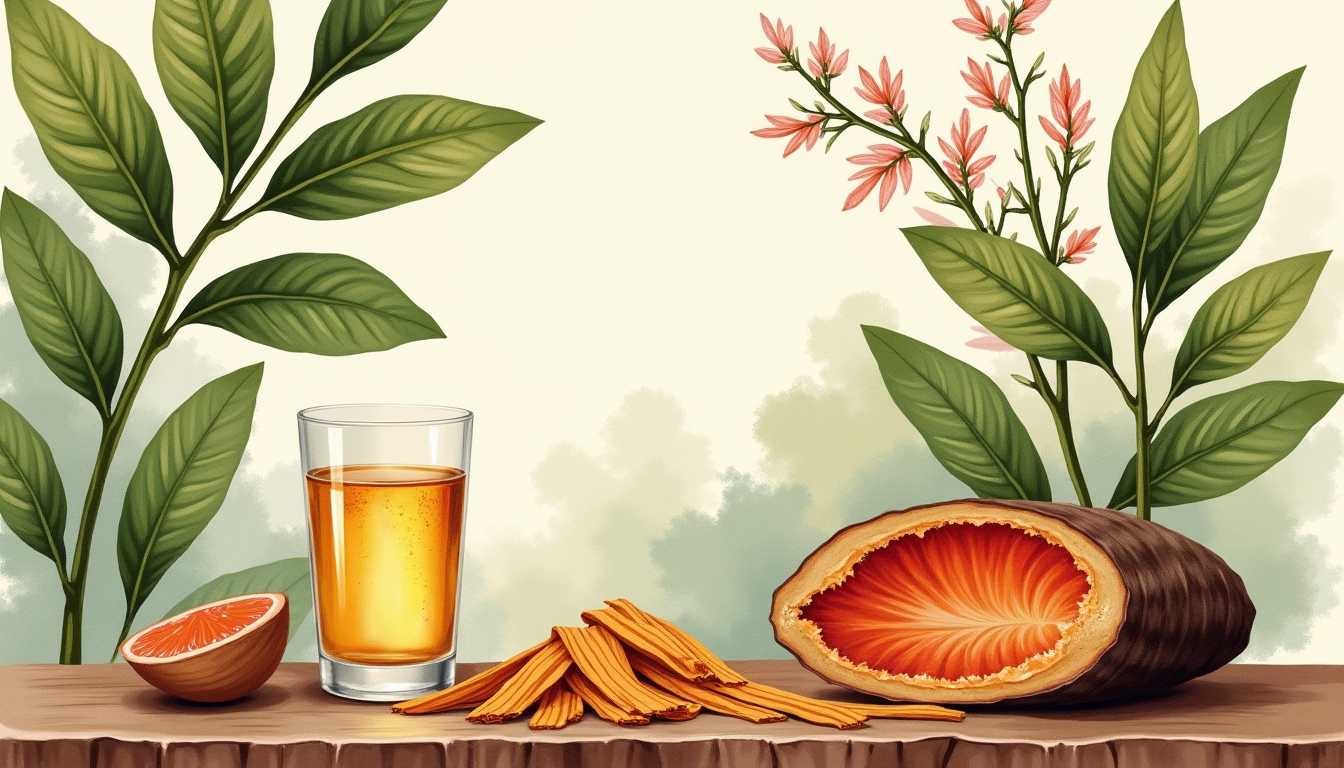
Quinoline alkaloids contain a bicyclic ring system formed by fusing a benzene ring with a pyridine ring. They occur principally in the family Rutaceae — the genus Ruta graveolens alone yields about 30 quinoline alkaloids. Other families include Acanthaceae, Malvaceae, Saxifragaceae, and Zygophyllaceae. Key examples are camptothecin (antitumor, from Camptotheca acuminata) and quinine (antimalarial, from Cinchona officinalis bark).
อัลคาลอยด์กลุ่มควิโนลีนมีระบบวงแหวนไบไซคลิกที่เกิดจากการหลอมรวมของวงแหวนเบนซีนกับวงแหวนไพริดีน โครงสร้างนี้เป็นพื้นฐานที่นำไปสู่อัลคาลอยด์ที่มีฤทธิ์ทางเภสัชวิทยาหลากหลาย อัลคาลอยด์กลุ่มนี้พบมากที่สุดในวงศ์ Rutaceae 尤其属 Ruta graveolens 仅一种就可发现约 30 种喹诺林生物碱。此外,还存在于 Acanthaceae, Malvaceae, Saxifragaceae 和 Zygophyllaceae 此外
卡姆托西辛 (Camptothecin) 存在于果实、茎和树皮中的生物碱 Camptotheca acuminata 这种植物原产于中国,这种物质非常剧毒 (highly toxic) 但具有抗肿瘤作用(antitumor) 和白血病抗癌(antileukemic) 尤其在中国,金丝桃素被用于治疗多种癌症
Quinine, from cinchona bark (Cinchona officinalis), along with its stereoisomer quinidine, is the classic antimalarial drug effective against drug-resistant Plasmodium strains. It also acts as a weak cardiac depressant and antiarrhythmic, has abortifacient and spermicidal properties, and is the most bitter substance known — detectable at a concentration of 1×10⁻⁵ molar. It is widely used as a food bittering agent.
奎宁 (Quinine) 是从树皮中提取的阿卡波啶 Cinchona officinalis 与...一起 奎宁 (quinidine) 其为立体异构体(stereoisomer) 它的奎宁是历史上最重要的抗疟疾药物之一,对疟原虫有效 Plasmodium 耐药性 (drug-resistant) 是一种引起疟疾的寄生虫
除了抗疟疾的作用外,奎宁还具有轻微的强心作用(weak cardiac depressant) 和抗心律失常(antiarrhythmic) 还具有堕胎药的特性(abortifacient) 和杀精 (spermicidal) 此外
奎宁是人类已知最苦的物质(most bitter substance known) 可以在浓度仅为1时检测到苦味×10-5 摩尔,由于这种特性,奎宁被用于食品和饮料中的苦味剂bittering agent) 广泛使用,尤其是在奎宁水中
喹喔啉生物碱类
Quinolizidine alkaloids feature nitrogen at the central junction of two fused cyclohexane rings. Also called lupine alkaloids (from Lupinus), approximately 170 have been identified in Fabaceae. Key members include sparteine (from Cytisus scoparius and Chelidonium majus) and cytisine. (-)-Sparteine is the most common — tetracyclic and oxygen-free, it increases heartbeat, acts as a diuretic, treats cardiac fibrillation, and has oxytocic effects as a substitute for ergot drugs.
อัลคาลอยด์กลุ่มควิโนลิซิดีนมีลักษณะเฉพาะคือไนโตรเจนอยู่ในตำแหน่งตรงกลางของวงแหวนไซโคลเฮกเซนสองวงที่หลอมรวมกัน อัลคาลอยด์กลุ่มนี้เรียกอีกชื่อว่า "颠茄生物碱" (lupine alkaloids) 由于常见于属 Lupinus 已发现约 170 种,几乎全部在科 Fabaceae (豆科植物) 该类群中的主要成分包括黄芪sparteine) 和 蛇根 (cytisine) Which is found in Cytisus scoparius (苏格兰扫帚) 和 Chelidonium majus (西兰地黄大
(-)-斯巴丁 ((-)-Sparteine) 作为最常见的喹喔啉烷生物碱,结构为四环式(tetracyclic — 四个环) 并且分子中没有氧原子(oxygen-free)
斯巴丁的药理作用涉及多个方面,包括提高心率(increases heartbeat) 从而促进血液流向肾脏,具有利尿作用diuretic) 补骨脂碱在治疗心律失常方面具有重要价值(cardiac fibrillation) 此外,它还是末梢血管收缩剂 (peripheral vasoconstrictor) 并具有刺激子宫收缩的作用(oxytocic effects) 使其被用作麦角替代品(ergot drugs) 在某些情况下
在受体作用机制方面,司帕丁与乙酰胆碱受体结合(muscarinic receptors) 比烟碱受体更强(nicotinic receptors)
西地那非(Cytisine) 和 阿那西林 (Anagyrine) 毒性高于皂苷类物质(lupinine) 和斯巴丁 (sparteine) 非常危险,这些物质对牲畜具有严重的危害,因为它们会引起胎儿畸形(teratogenic effects) 导致后代出现身体畸形,尤其是在母体食用该属植物时( Lupinus 在怀孕期间
二萜类生物碱
Diterpenoid alkaloids derive from diterpene precursors. They occur mainly in Ranunculaceae (Aconitum, Delphinium), with some in Inula (Asteraceae) and Spiraea (Rosaceae). Aconitum species are among the most poisonous plants known — as little as 2-5 mg of pure aconitine can be fatal. Aconitine slows heart rate and lowers blood pressure; absorption through the skin alone can cause death. Ryanodine from Ryania speciosa inhibits calcium binding to muscle protein and is used as an insecticide.
二萜类生物碱起源于二萜类化合物(diterpenes) 主要见于属 Ranunculaceae 尤其属 Aconitum (鸡冠花) 和 Delphinium (海葵属) 此外,在属中也有发现 Inula (科 Asteraceae) 和 Spiraea (科 Rosaceae) 植物属 Aconitum 被认为是世界上最毒的植物之一,仅 2-5 毫克纯提取物即可导致成年人死亡
阿可尼定 (Aconitine) 主要存在于的根中 Aconitum napellus (苦杏仁——一种作用迅速且剧烈的毒物(potent, quick-acting poison) 主要作用是减慢心率(slows heart rate) 和降低血压(lowers blood pressure)
美角来藤的特殊危险之处在于其穿透皮肤的能力absorption through skin) 只需接触就可吸收进入血液达到致命量。在中国,根的 Aconitum 许多物种在传统药方中已使用数千年,但必须经过加工处理(processing) 仔细处理以减少毒性后再使用
利尿定 (Ryanodine) 是一种二萜生物碱,存在于 Ryania speciosa 作用机制是抑制钙与肌肉蛋白的结合(inhibits calcium binding to muscle protein) 这会影响昆虫肌肉的收缩。这种特性使得藜芦碱被用作杀虫剂(insecticide) 天然来源
甾体生物碱
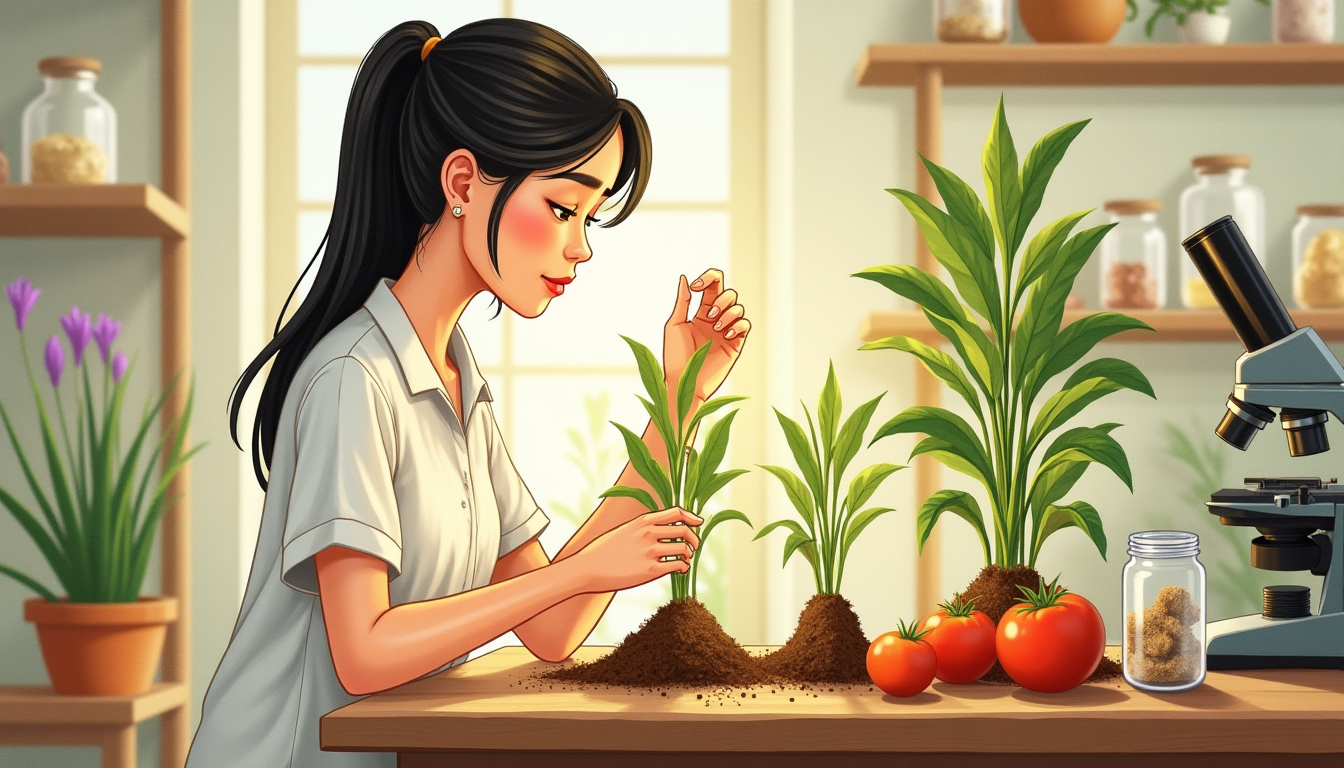
Steroid alkaloids occur in about 250 species of Solanaceae and Liliaceae, typically as glycosides resembling saponins. Some are highly toxic, causing fatal gastroenteritis. Two main types exist: Solanum-type (glycoalkaloids such as solanine and chaconine in potatoes — favored by sunlight, not destroyed by cooking, must stay below 20 mg/100g) and Veratrum-type (50+ alkaloids like veratramine, making Veratrum album highly toxic).
类固醇生物碱类群存在于大约 250 种植物的科植物中 Solanaceae (茄科) 和 Liliaceae (百合科)这些物质通常以苷类的形式存在(glycosides) 具有与皂苷相似的结构(saponins) 某些甾体生物碱毒性很高,可引起急性胃肠炎(gastroenteritis) 可导致死亡,分为两大类,即类型 Solanum 和种类 Veratrum
Solanum-type glycoalkaloids include solanidine, which forms solanine and chaconine in potatoes. Production is favored by sunlight, with highest concentrations in potato sprouts and green skins, plus tomato vines and green fruit. They are NOT destroyed by cooking or drying. New potato varieties must contain less than 20 mg/100g. Glycoalkaloids are more poisonous than their aglycones but poorly absorbed in the GI tract. Bitter taste appears above 14 mg/100g and burning sensation above 20 mg/100g.
土豆甾醇类生物碱Solanum-type) 发现为糖生物碱(glycoalkaloids) 在科 Solanaceae 由 索拉尼丁 (solanidine) 是一种阿卡巴因 (aglycone) 提供两种主要糖苷类阿卡波啶 茄碱(solanine) 和 查孔宁(chaconine) 在土豆中
光照会促进类固醇生物碱的生成 (sunlight) 在土豆芽中浓度最高(potato sprouts) 和变成绿色的外皮(green skins) 包括番茄茎(tomato vines) 和生番茄果实(green fruit) 重要的是这些物质不会被烹饪或干燥破坏 (NOT destroyed by cooking or drying)
มันฝรั่งพันธุ์ใหม่ที่จะนำมาจำหน่ายต้องมีปริมาณไกลโคอัลคาลอยด์ต่ำกว่า 20 มิลลิกรัมต่อ 100 กรัม ไกลโคอัลคาลอยด์มีพิษมากกว่าอะไกลโคน (aglycones) 但在消化道吸收不良(GI tract) 土豆开始变苦(bitter taste) 当含量超过 14 毫克/100 克时,会感到灼热 (burning sensation) 超过20毫克/100克
甾体生物碱类 Veratrum 包含超过50种委拉鲁胺类生物碱,如 维拉特拉明 (veratramine) 存在于属 Veratrum 这些物质使植物 Veratrum album (白海萝/white hellebore) 具有极强的毒性(highly toxic)
其他生物碱类
Several important alkaloids have rare structural types — oxazoles, pyrazines, or flavonoid substituents (about 14 known, e.g. ficine from Ficus pantoniana). Some are very toxic (taxine A from yew/Taxus). Mycotoxins like verruculotoxin can enter the food chain via peanuts. Key pharmaceutical agents include colchicine for acute gout, harringtonine for leukemia, and taxol (paclitaxel) — FDA-approved for multiple cancers.
นอกจากกลุ่มอัลคาลอยด์หลักๆ ที่กล่าวมาแล้ว ยังมีอัลคาลอยด์จำนวนหนึ่งที่มีโครงสร้างหายากและไม่เข้าข่ายการจำแนกตามวงแหวนปกติ โครงสร้างเหล่านี้รวมถึงวงแหวนออกซาโซล (oxazoles) 和吡嗪 (pyrazines) 此外,尚有约 14 种生物碱,具有黄酮类取代基(flavonoid substituents) 例如 菲西因(ficine) 从 Ficus pantoniana
某些生物碱具有剧毒,例如 替格辛 A (taxine A) 来自柚木 (yew, Taxus) 霉菌毒素mycotoxins) 例如 维鲁科托辛 (verruculotoxin) 可以进入食物链(food chain) 通过花生 (peanut) 多种不同的生物碱具有抗癌活性(anticancer activity) 有趣
氯非宁 (Colchicine) 是从...中提取的生物碱 Colchicum autumnale (亚马逊秋季) 毒性非常高,致死剂量(lethal dose) 仅10毫克,这种物质具有刺激性(irritant) 致癌性 (carcinogenic) 并导致胎儿畸形(teratogenic)
即使毒性很高,但在极小剂量下 (minute doses) 氯己西因是一种有效的治疗急性痛风的药物(acute gout)
在植物遗传学方面,氯麦西冬是一种重要的工具,科学家用它来诱导多倍体 (polyploidy) 也就是说,增加染色体组数,有趣的是,开花植物 (angiosperms) 在自然界中,30-70% 是多倍体
哈林托宁 (Harringtonine) 是来自属植物的生物碱 Cephalotaxus 具有抗肿瘤作用 (antitumor) 用于治疗 急性髓细胞白血病acute myelocytic leukemia) 作用机制是抑制合成 DNA (inhibits DNA biosynthesis) 和蛋白质合成(protein biosynthesis) 的癌细胞
Taxol (paclitaxel) from Taxus brevifolia bark is one of the most important anticancer drugs discovered. It is FDA-approved for ovarian carcinoma, non-small cell lung cancer, AIDS-related Kaposi's sarcoma, and node-positive breast cancer. Despite its therapeutic value, it is toxic with an oral LD50 of 9 mg/kg in dogs.
Taxol (Taxol) 或者 帕克泰克谢尔 (Paclitaxel) 是来自外皮的生物碱 Taxus brevifolia (太平洋紫杉)被视为当今最重要的抗癌药物之一,已获得 FDA 用于治疗以下疾病:
- 卵巢癌 (ovarian carcinoma)
- 非小细胞肺癌 (non-small cell lung cancer)
- 与艾滋病相关的卡波西肉瘤癌 (AIDS-related Kaposi's sarcoma)
- 淋巴瘤型乳腺癌 (node-positive breast cancer)
即使是高效药物,但塔昔洛也有很大的毒性,其数值: LD50 Oral (oral LD50) 在狗体内相当于每公斤体重 9 毫克
第八章的重要术语
This glossary covers key chemical families, structural types, and pharmacological terms across all four pages of Chapter 8 on alkaloids. Click any term to hear its English pronunciation.
- Harborne JB, Baxter H. Phytochemical Dictionary: A Handbook of Bioactive Compounds from Plants. London; Washington, DC: Taylor & Francis, 1993.
- Smith LW, Culvenor CCJ. Plant sources of hepatotoxic pyrrolizidine alkaloids. J Natural Products 1981; 44:129-52.
- Schultes RE, Hofmann A. The Botany and Chemistry of Hallucinogens. Springfield, IL: Charles C. Thomas, 1980.
- Gruenwald J, et al. PDR for Herbal Medicines. Montvale, NJ: Medical Economics Company, 1998.
- Bruneton J. Pharmacognosy, Phytochemistry, Medicinal Plants. Hampshire, UK: Intercept, 1999.
- Evans WC. Trease & Evans' Pharmacognosy, 13th edition. London: Baillere Tindall, 1989.
- Hoffmann D. Medical Herbalism: The Science and Practice of Herbal Medicine. Rochester VT: Healing Arts Press, 2003.