药理学
炎症 (Inflammation & Anti-inflammatory Agents)
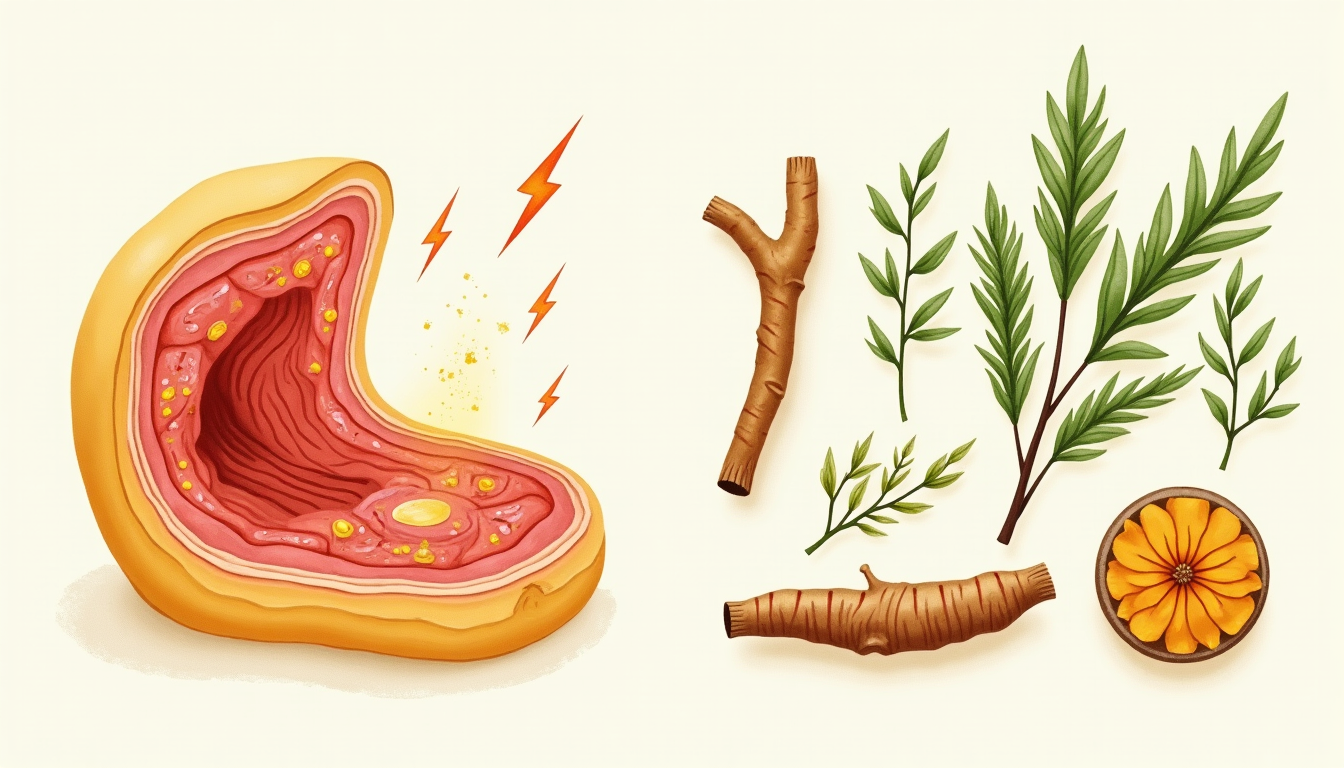
Inflammation is the complex response of vascularized tissue to injury. Cardinal signs are redness (erythema), swelling (edema), pain, and heat. Mediators include histamine, kinins, prostaglandins, complement, and lymphokines. The arachidonic acid cascade produces prostaglandins via cyclooxygenase (COX-1/COX-2) and leukotrienes via lipoxygenase. NSAIDs inhibit cyclooxygenase. Plant anti-inflammatory agents include flavonoids, phenolic compounds, and PAF antagonists like ginkgolides.
炎症 (inflammation) 是血管组织复杂的反应(vascularized tissue) 对损伤,主要症状 (cardinal signs) 炎症的 4 个方面,包括红肿(erythema) 肿胀 (edema) 疼痛(pain) 及热(heat) 这些症状是由于血管变化和释放介质引起的(mediators) Many species
当组织受损时,会释放多种炎症介质,包括组胺(histamine) 犬宁(kinins) 前列腺素(prostaglandins) 补体complement) 以及淋巴动因 (lymphokines) 这些物质会扩张血管,增加血管壁的通透性,并吸引白细胞到达受损区域
从血管渗出的液体(exudate) 由血浆蛋白和白细胞组成,包括中性粒细胞(neutrophils) 将到达之前以吃掉并破坏病原体,随后是巨噬细胞 (\nmacrophages) 负责清除异物和死亡细胞,如果炎症严重且有感染,会产生脓液(pus) Or abscess (abscess) 上升
Mediators of inflammation include vasoactive amines acting on H1, H2, and H3 histamine receptors, the complement system producing anaphylatoxins, kinins like bradykinin causing pain, arachidonic acid metabolites (eicosanoids), platelet-activating factor (PAF), oxygen-derived free radicals, nitric oxide, and cytokines such as IL-1 and TNF.
炎症介质有多种,包括:
具有血管作用的胺类物质(Vasoactive amines): 组胺 (histamine) 通过3种受体发挥作用 H1 (导致血管扩张、增加渗透性、气管收缩) H2 (刺激胃酸分泌,增加心率)和 H3 (控制从神经末梢释放组胺)组胺由肥大细胞释放(mast cells) 和嗜酸性粒细胞 (basophils)
补体系统(Complement system): 是血浆中的蛋白质集合,作为链条发挥作用,产生凝血酶原 (anaphylatoxins) 诱导炎症,增加血管渗透性并吸引白细胞
犬宁(Kinins): 卡利啶 (kallidin) 和缓激肽(bradykinin) 是一种肽类,可扩张血管,增加通透性,并且是引起疼痛的重要原因(pain) 在炎症区域
花生四烯酸代谢物(Arachidonic acid metabolites): 也称为前列腺素 (eicosanoids) 是炎症过程中最重要的物质组之一,包括前列腺素(prostaglandins) 白三烯leukotrienes) 和百里香(thromboxanes)
血小板促凝因子PAF): 是一种脂肪物质,使血小板聚集,血管扩张,并增加血管壁的渗透性
来自氧气的自由基 (Oxygen-derived free radicals): 在炎症过程中由白细胞释放,可能破坏周围组织
一氧化氮(Nitric oxide): 在血管扩张和抗血小板聚集中发挥作用
细胞因子 (Cytokines): 如白介素-1 (IL-1) 和肿瘤坏死因子(TNF) 是免疫细胞之间的通讯物质,控制并扩大炎症过程
The arachidonic acid cascade is the central pathway of inflammation. Cyclooxygenase (COX) converts arachidonic acid to prostaglandins, prostacyclin, and thromboxanes. COX-1 is constitutive (protects stomach lining, kidney function), while COX-2 is inducible at sites of inflammation. The lipoxygenase pathway produces leukotrienes that cause bronchoconstriction and are involved in aspirin-induced asthma.
花生四烯酸途径(arachidonic acid cascade) เป็นวิถีหลักของกระบวนการอักเสบ กรดอะราคิโดนิกเป็นกรดไขมันไม่อิ่มตัว 20 คาร์บอนที่ถูกปลดปล่อยจากเยื่อเซลล์โดยเอนไซม์ฟอสโฟไลเปส A2 (phospholipase A2) 当细胞受损后,会沿着两条主要途径发生改变:
环氧合酶途径 (Cyclooxygenase pathway): 环氧酶COX) 将花生四烯酸转化为前列腺素 (prostaglandins) 前列腺素环 (prostacyclin) 和百里香(thromboxanes) 酶 COX 有2种 COX-1 这是一种在体内自然存在的酶 (constitutive) 保护胃黏膜,调节肾脏功能,控制血小板聚集部分 COX-2 是一种被诱导的酶(inducible) 使其在炎症部位发生
脂氧化酶途径(Lipoxygenase pathway): 脂氧合酶将花生四烯酸转化为白三烯 (leukotrienes) 导致气管收缩 (bronchoconstriction) 吸引白细胞并增加血管通透性,刘可三嗪在阿司匹林引起的哮喘中起重要作用(aspirin-induced asthma) 由于阿司匹林抑制了途径 COX 核酸 арахидоновая酸会通过环氧合酶途径转化更多,导致白三烯增加并刺激支气管收缩
非甾体抗炎药(NSAIDs) 通过抑制环氧合酶发挥药效 NSAIDs 旧版本抑制全部 COX-1 和 COX-2 因此对胃有副作用。新型药物抑制 COX-2 因此具有较少的副作用
Plant anti-inflammatory agents work through multiple mechanisms: flavonoids (quercetin) inhibit lipoxygenase and histamine release from mast cells; tannins and naphthoquinones inhibit cyclooxygenase; phenolic compounds inhibit 5-lipoxygenase; diarylheptanoids from turmeric are dual COX/LOX inhibitors; ginkgolides and lignans antagonize PAF. Immunomodulators include low-MW compounds (alkaloids, terpenes) and high-MW compounds (lectins from pokeweed and mistletoe, polysaccharides from medicinal mushrooms like shiitake, maitake, reishi, and coriolus).
草药具有通过多种机制发挥作用的抗炎物质:
环氧合酶抑制剂Cyclooxygenase inhibitors): 黄酮flavonoids) Tannin (tannins) 和萘醌(naphthoquinones) 来自多种植物可以抑制酶 COX 从而减少炎症原性前列腺素的产生
脂氧基因酶抑制剂: 槲皮素quercetin) ซึ่งเป็นฟลาโวนอยด์ที่พบมากในหัวหอม แอปเปิล และชา มีฤทธิ์ยับยั้งเอนไซม์ไลโพออกซิจีเนสและยับยั้งการปลดปล่อยฮิสตามีนจากแมสต์เซลล์ (mast cells) 酚类化合物 (phenolic compounds) 多种抑制 5-脂氧基因酶 (5-lipoxygenase) 特异性地
双重抑制剂 (Dual inhibitors): 二芳基庚烷酰基 (diarylheptanoids) 来自姜黄 (turmeric) 可以抑制 COX 和 LOX 同时,全面减少炎症
抗物质 PAF (PAF antagonists): 银杏内酯 (ginkgolides) 来自银杏 (Ginkgo biloba) 和木脂酚 (\nlignans) 具有抑制血小板聚集因子作用(PAF) 是炎症、过敏和血小板聚集过程中的重要介质
免疫调节剂(immunomodulators) 根据分子量,从植物中分为两大类:
低分子量物质 (Low-MW compounds): 包括生物碱 (alkaloids) 萜类化合物 (terpenes) 酚类化合物 (phenolics) 和黄酮类化合物(flavonoids) สารเหล่านี้มีฤทธิ์กระตุ้นหรือยับยั้งระบบภูมิคุ้มกันแล้วแต่ชนิด ออกฤทธิ์โดยมีผลต่อการทำงานของเม็ดเลือดขาว การผลิตไซโตไคน์ และการตอบสนองทางภูมิคุ้มกัน
高分子量物质 (High-MW compounds): 包括 凝集素(lectins) 来自冬青属植物(pokeweed, Phytolacca) 以及寄生植物 (mistletoe, Viscum album) 刺激淋巴细胞白细胞(lymphocytes) 使其分裂和多糖 (polysaccharides) 来自草药真菌,如香菇(shiitake, Lentinula edodes) 其中含有 lentinan 刺激免疫系统的灵芝(maitake, Grifola frondosa) 灵芝reishi, Ganoderma lucidum) 和鸡腿菇(coriolus, Trametes versicolor) 这些蘑菇含有β-葡聚糖 (β-glucans) 刺激细胞 NK (natural killer cells) 和巨噬细胞一起增加抗癌细胞因子产生
Cancer (Cancer & Plant Constituents)
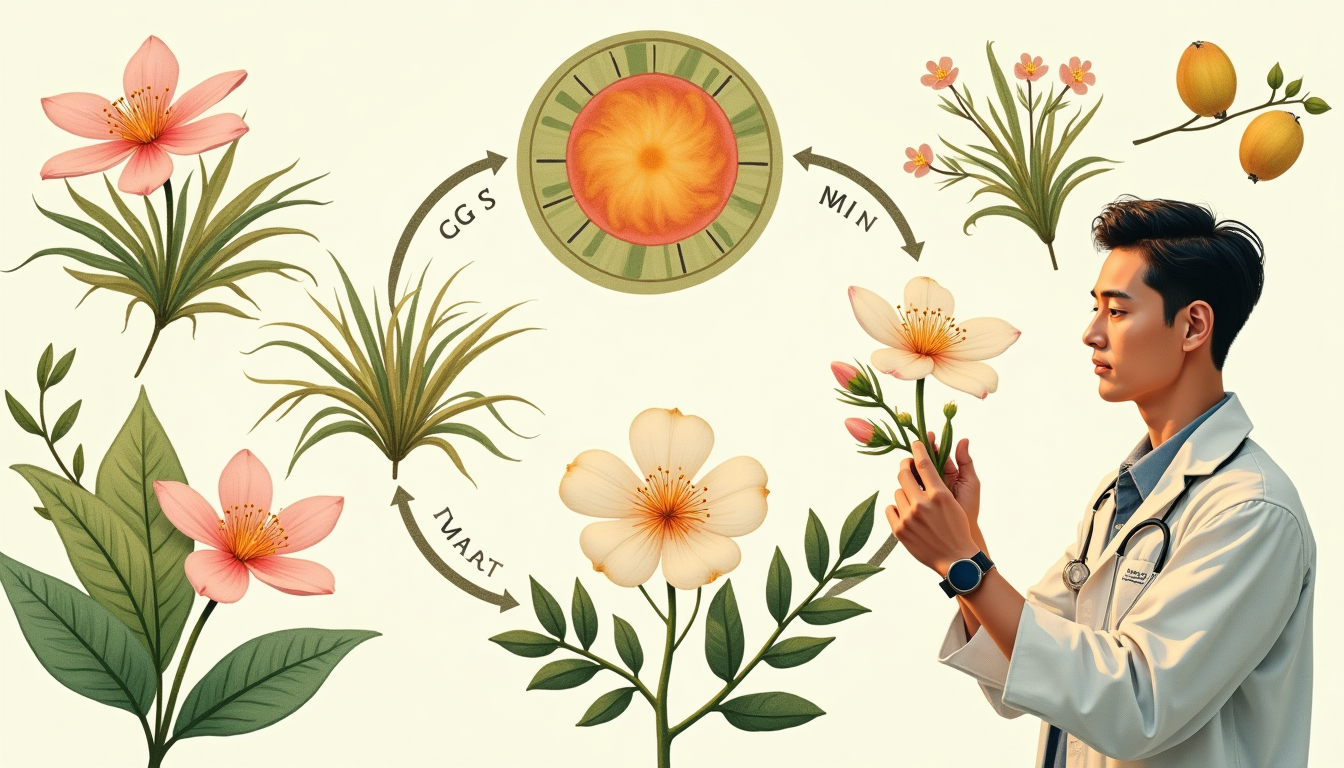
Cancer involves rapid uncontrolled formation of abnormal cells. At least two stages: initiation and promotion. Plant-derived chemotherapeutics include vinca alkaloids (vincristine/vinblastine from Catharanthus roseus), taxoids (paclitaxel from Taxus brevifolia), and epipodophyllotoxins. Key mechanisms include DNA interaction, topoisomerase II inhibition, microtubule disruption, and apoptosis induction.
Cancer (cancer) 是快速且不受控制的异常细胞生成过程。癌症发生过程(carcinogenesis) 至少有2个步骤,包括启动阶段 (initiation) 发生永久性改变 DNA 在细胞和促进阶段 (promotion) 这是一个使已启动的细胞生长为肿瘤的过程
在起始阶段,致癌物质(carcinogens) 引起突变 (mutation) 控制细胞生长的基因,这些变化导致细胞通过转化成肿瘤细胞的过程(neoplastic transformation) 这些细胞不响应正常的生长控制信号和生长因子(growth factors) 可能刺激这些细胞不受控制地分裂
The cell cycle consists of G1 (gap 1), S (DNA synthesis), G2 (gap 2), and M (mitosis) phases. The growth fraction represents the proportion of actively dividing cells in a tumor. Chemotherapeutic agents are classified as cell cycle-specific (effective only during particular phases) or cell cycle-nonspecific (effective against both dividing and resting cells).
细胞周期 (cell cycle) 包括4个阶段,即阶段 G1 (gap 1) 细胞准备进行合成 DNA 距离 S (synthesis) 发生模拟 DNA 距离 G2 (gap 2) 细胞准备进行细胞分裂和期 M (mitosis) 发生真正的细胞分裂
生长比例 (growth fraction) คืออัตราส่วนของเซลล์ที่กำลังแบ่งตัวอยู่ในเนื้องอก เนื้องอกที่มีสัดส่วนการเจริญเติบโตสูงจะตอบสนองต่อยาเคมีบำบัดได้ดีกว่า สารต้านมะเร็งแบ่งออกเป็น 2 ประเภท คือ สารที่ออกฤทธิ์เฉพาะระยะ (cell cycle-specific agents) 仅在细胞处于周期特定阶段时才有效,例如文丽春在 M 和作用于非特定阶段的物质(cell cycle-nonspecific agents) 对细胞有影响,无论是在分裂还是静息状态
Major plant-derived chemotherapeutics include DNA-interactive agents like etoposide (from Podophyllum) which inhibits topoisomerase II, vinca alkaloids (vincristine and vinblastine from the periwinkle Catharanthus roseus) which disrupt microtubules, and taxol (paclitaxel from the Pacific yew Taxus brevifolia) which stabilizes microtubules preventing disassembly. Flavonoids can bind Type II estrogen binding sites, acting as hormonal agents.
与...反应的物质 DNA (DNA-interactive agents): 伊托泊苷 (etoposide) 是一种半合成植物物质 Podophyllum peltatum (美洲金莲 (通过抑制拓扑异构酶发挥作用 II (topoisomerase II) 这是必要的解旋酶 DNA 在复制期间,当 topoisomerase II 被抑制 DNA 会发生断裂,癌细胞会死亡
干扰微管的物质 (Microtubule interactions): 紫红甘春花碱(vinca alkaloids) 包括文丽花碱 (vincristine) 和文丽花碱(vinblastine) 提取自梨树 (Catharanthus roseus) 通过结合微管蛋白起作用(tubulin) 是构成微管的蛋白质 (microtubules) 防止细胞分裂纤维的形成(mitotic spindle) 使细胞无法分裂
Taxol (taxol 或者 paclitaxel) 从尤帕西菲克树皮中提取Taxus brevifolia) มีกลไกตรงกันข้ามกับวินคาอัลคาลอยด์ คือแทนที่จะยับยั้งการสร้างไมโครทิวบูล แทกซอลกลับทำให้ไมโครทิวบูลเสถียรมากเกินไป ป้องกันการแยกตัว (disassembly) 在细胞分裂的最后阶段至关重要,结果是细胞停留在 M 并最终死亡
激素Hormonal agents): 黄酮flavonoids) 可以与雌激素受体结合 II (Type II estrogen binding sites) 在乳腺细胞中,可能影响雌激素依赖性乳腺癌细胞的生长
Biological response modifiers (BRMs) enhance the body's immune response against cancer. Mycopolysaccharides are widely used in Japan as adjunct cancer therapy. Cytokines including interleukins, TNF, colony-stimulating factors, and interferons modulate immune function. Some agents interfere with cell cycle arrest mechanisms.
生物反应调节剂(biological response modifiers, BRMs) เป็นสารที่เพิ่มความสามารถของระบบภูมิคุ้มกันในการต่อสู้กับมะเร็ง แทนที่จะฆ่าเซลล์มะเร็งโดยตรง สารเหล่านี้กระตุ้นการป้องกันตามธรรมชาติของร่างกาย
麦角多糖(mycopolysaccharides) 从草药真菌中提取的物质在日本被广泛用作癌症辅助治疗药物,例如舞茸 (lentinan) 来自香菇的物质 PSK 来自人乳头菇和β-葡聚糖(β-glucan) 来自舞茸
细胞因子 (cytokines) 在抗癌方面起作用的包括白细胞介素(interleukins) 刺激白细胞的肿瘤坏死因子(TNF) 直接破坏癌细胞,集落刺激因子 (colony-stimulating factors) 增加白细胞生成和干扰素(interferons) 抑制癌细胞生长并刺激细胞 NK (natural killer cells) 某些物质通过干扰细胞周期停止机制起作用(cell arrest) 使癌细胞进入程序性细胞死亡过程
Apoptosis (programmed cell death) differs from necrosis in that it is an orderly, genetically controlled process. Many plant constituents induce apoptosis in cancer cells: mistletoe (Viscum album), soy isoflavones, garlic compounds, ginger, and green tea catechins (EGCG). Angiogenesis inhibition — blocking new blood vessel growth that tumors need — is another mechanism; ginseng saponins (ginsenosides) demonstrate anti-angiogenic properties.
细胞凋亡apoptosis) 或程序性细胞死亡,是一种细胞有条不紊地自我破坏的过程,与坏死(necrosis) ซึ่งเป็นการตายแบบไม่มีระเบียบเนื่องจากการบาดเจ็บ อะพอพโทซิสเป็นกลไกปกติของร่างกายในการกำจัดเซลล์ที่เสียหายหรือไม่จำเป็น แต่เซลล์มะเร็งมักหลบเลี่ยงกระบวนการนี้ได้
许多草药可以诱导癌细胞进入凋亡,包括寄生根(Viscum album) 含有诱导细胞凋亡的植物血清蛋白,大豆异黄酮(soy isoflavones) 特别是大蒜中的化合物异硫氰酸酯(garlic) 如 大蒜素(allicin) 姜 (ginger) 和绿茶中的儿茶素 (green tea catechins) 尤其是 EGCG (epigallocatechin gallate)
抑制血管生成angiogenesis inhibition) เป็นอีกกลไกหนึ่งในการต้านมะเร็ง เนื้องอกต้องการหลอดเลือดใหม่เพื่อนำสารอาหารและออกซิเจนมาเลี้ยง เมื่อเนื้องอกโตเกินขนาดประมาณ 2 มิลลิเมตร ต้องกระตุ้นให้เกิดการสร้างหลอดเลือดใหม่ (angiogenesis) 否则会停止生长,人参中的皂苷(ginsenosides) 显示抗血管生成活性 (anti-angiogenic properties) 通过抑制刺激新生血管生长的因素,可能有助于限制生长和扩散(metastasis) 的肿瘤
抗病毒物质 (Antiviral Agents)
Antiviral compounds can work by direct virucidal effect, interfering with viral replication cycle, or inducing host antiviral mechanisms. Plant constituents inhibit various stages of HIV replication: viral adsorption (sulfated polysaccharides, flavonoids), reverse transcription (alkaloids, coumarins), integration (lignans), protease inhibition (saponins), and assembly/release (naphthodianthrones).
抗病毒物质 (antiviral agents) 植物具有 3 种主要机制:
直接抗病毒物质 (Virucidal agents): 这些物质破坏病毒颗粒(viral particles) 直接作用,在病毒进入细胞之前,如酚类化合物 (phenolic compounds) 和精油 (essential oils) 某些植物可以破坏病毒包膜(viral envelope) 得
真正的抗病毒物质(True antivirals): 这些物质干扰病毒复制周期(viral replication cycle) 在不同的阶段,而不破坏宿主细胞(host cells) 这种机制类似于合成抗病毒药物,但植物来源的物质通常具有较少的副作用,并且可能同时作用于多个靶点
宿主抗病毒机制的诱导 (Interferon-like induction): 某些植物中的物质刺激宿主细胞产生干扰素 (\ninterferon) 或其他抗病毒物质增加,使身体更好地抵抗病毒感染。多糖 (polysaccharides) 从草药和许多植物中提取,具有刺激干扰素产生的活性
Plant constituents can inhibit HIV replication at every stage of the viral lifecycle. This table summarizes the classes of phytochemicals active at each stage, from initial viral adsorption through assembly and release of new viral particles.
| 循环的步骤 HIV | 植物来源的抑制剂组 | 例子 |
|---|---|---|
| 病毒吸收(Viral adsorption) | 硫酸多糖 (sulfated polysaccharides), 黄酮flavonoids) | 海藻,绿茶 |
| 病毒-细胞融合 (Virus-cell fusion) | Tannin (tannins), 黄酮flavonoids) | 树皮提取物,浆果 |
| 逆转录(Reverse transcription) | 生物碱alkaloids), 香豆素(coumarins) | 卡拉诺莱calanolide) 从 Calophyllum |
| 插入 DNA (Integration) | Lignan (lignans) | 亚麻籽、芝麻中的物质 |
| 蛋白质切割 (Proteolytic cleavage) | 皂苷(saponins) | 来自人参、甘草的物质 |
| 添加糖Glycosylation) | 生物碱alkaloids) | 卡斯塔诺斯佩林 (castanospermine) |
| 组装和释放 (Assembly/release) | 萘二蒽酮(naphthodianthrones) | 金盏花素 (hypericin) 从圣约翰草中提取 (Hypericum) |
植物来源的抑制剂 HIV 在每个阶段都有多样性,从硫酸多糖(sulfated polysaccharides) 从防止病毒附着在细胞表面的海藻,到萘二蒽醌(naphthodianthrones) จากเซนต์จอห์นเวิร์ทที่รบกวนการประกอบตัวและการปล่อยอนุภาคไวรัสใหม่ การศึกษาทางคลินิกยังอยู่ในระยะเริ่มต้น แต่ผลการวิจัยในหลอดทดลองแสดงให้เห็นศักยภาพของสมุนไพรเหล่านี้ในการพัฒนาเป็นยาต้านไวรัสในอนาคต