苯丙烷类和肉桂酸
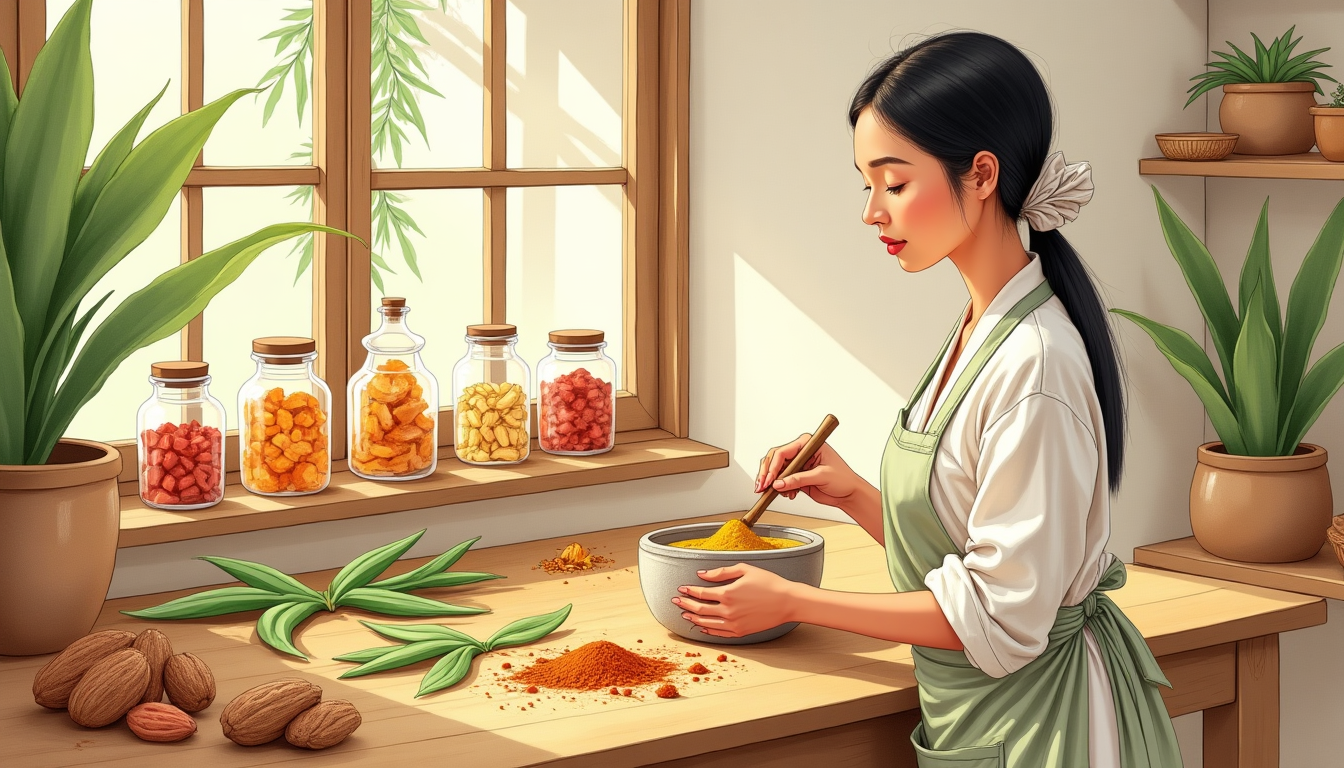
Phenylpropanoids (C6-C3) are a major class of plant phenolics featuring an aromatic ring fused to a three-carbon side chain. The most widespread representatives are hydroxycinnamic acids such as caffeic acid and p-coumaric acid. Phenylpropenes contribute distinctive volatile flavors and fragrances, while their glycosides inhibit key enzymes including cAMP-specific phosphodiesterase and 5-lipoxygenase. Lignins — the structural polymers of plant cell walls — are also built from phenylpropanoid units.
Phenylpropanoids 是主要的一类酚类物质,由芳香环组成(C6) 连接3个碳原子,最常见的形式是hydroxycinnamic acids 包括 p-coumaric acid 和 caffeic acid 广泛存在于几乎所有植物中,这些物质通常以esters 或者glycosides
除了肉桂酸外,苯丙烯类 (phenylpropenes) 还在许多植物的气味和味道中发挥重要作用,例如 anethole 在八角和孜然或 myristicin 在丁香中,苯丙烷类糖苷抑制多种重要酶,包括 cAMP-specificphosphodiesterase, aldose reductase 和 5-lipoxygenase
木质素 (lignins) เป็นพอลิเมอร์แบบสุ่มที่ทำหน้าที่เป็นโครงสร้างผนังเซลล์พืช มีต้นกำเนิดจากหน่วยฟีนิลโพรพานอยด์ โครงสร้างที่ซับซ้อนและหลากหลายนี้ทำให้ลิกนินเป็นสารชีวภาพที่มีมากเป็นอันดับสองในธรรมชาติ รองจากเซลลูโลส
苯丙烷类的合成过程始于shikimic acid是植物合成的重要前体,通过aromatic amino acids像 phenylalanine 和 tyrosine 在被转化为 cinnamic acid แล้วค่อยต่อยอดเป็นสารหลากชนิดในกลุ่มนี้ สายเดินสังเคราะห์นี้ยังเชื่อมต่อไปยังสารกลุ่มอื่น เช่น ฟลาโวนอยด์ ลิกนิน และแทนนิน อีกด้วย
Six key phenylpropanoid compounds deserve special attention: anethole (spasmolytic, hepatoprotective), β-asarone (spasmolytic but carcinogenic — banned in US), caffeic acid (analgesic, anti-inflammatory, antiviral, antioxidant), p-coumaric acid (antifungal, antihepatotoxic), curcumin (antioxidant, anti-inflammatory, NCI cancer trials), and myristicin (psychotropic).
Anethole 是肉桂中的主要苯丙烯Pimpinella anisum) 和孜然 (Foeniculum vulgare) 是这些植物独特的香气和味道的来源,在药理学上 anethole 具有spasmolytic 是帮助放松平滑肌。此外,它还促进肝组织修复(hepatic regeneration) 此外
β-Asarone 见于水葫芦或卡拉马斯(Acorus calamus) 具有spasmolytic 但发现具有carcinogenicในสัตว์ทดลอง ด้วยเหตุนี้จึงถูกห้ามจำหน่ายในสหรัฐอเมริกา แม้ว่าพืชชนิดนี้จะมีการใช้ในการแพทย์แผนโบราณของหลายวัฒนธรรมมาเป็นเวลานาน
Caffeic acid 是自然界中最常见的酚类物质之一,存在于咖啡、蒲公英花(dandelion) 洋甘菊和其他数百种植物,在药理学上 caffeic acid 具有多种作用,包括镇痛 (analgesic), 抗炎 (anti-inflammatory), 抗菌 (antibacterial), 抗真菌(antifungal), 抗病毒 (antiviral), 抗氧化 (antioxidant), 保护肝脏 (antihepatotoxic) 和预防胃溃疡(antiulcerogenic)
酸 p-Coumaric acid 广泛存在于多种植物中,与 caffeic acid 具有抗真菌作用,保护肝脏(antihepatotoxic) 并具有在体外抑制癌细胞的作用 (cytotoxicity in vitro) 在一定程度上
Curcumin เป็นสารฟีนิลโพรพานอยด์ที่สำคัญที่สุดชนิดหนึ่ง พบในขมิ้นชัน (Curcuma longa) 和姜科植物 (Zingiberaceae) 相关的是一种鲜艳的黄色色素,为咖喱粉提供颜色,在药理学上 curcumin 具有明显的抗氧化和抗炎作用,美国国家癌症研究所(National Cancer Institute) 已进行1期临床试验以评估其抗癌潜力
Myristicin 见于 肉豆蔻 (Myristica fragrans) 以及韭菜,是一种精神活性物质 (psychotropic) 这是大量肉豆蔻可能导致幻觉的原因
香豆素 - 来自于新鲜草
Coumarins are a class of about 700 plant phenolics (C6-C3) derived from the parent compound coumarin. They are responsible for the characteristic smell of freshly mown hay. Named after the French word for tonka bean (Dipteryx odorata), coumarins are richest in sweet clover (Melilotus), tonka bean, and sweet woodruff (Galium odoratum). Three main classes exist: simple hydroxycoumarins, furanocoumarins, and pyranocoumarins. The IARC has found coumarin to be non-carcinogenic in humans, though hepatotoxic aflatoxins and anticoagulant dicoumarol are medically important exceptions.
香豆素(coumarins) 是酚类化合物 C6-C3 具有来自的骨架 coumarin 目前在植物中发现约700种,名为 "coumarin" 源于法语 coumarou 是称豆蔻的名称 (Dipteryx odorata) 最初 的 发现 来源
最突出的特性是 coumarin 是独特的鲜草气味(freshly mown hay) 香豆素最丰富的来源是甜叶菊(Melilotus spp.) 扁豆Dipteryx odorata) 和 sweet woodruff (Galium odoratum) 这些都用于欧洲的香料和草药植物
香豆素分为 3 个主要类别:(1) simple hydroxycoumarins 例如 umbelliferone 和 esculetin (2) furanocoumarins 例如 angelicin 和 (3) pyranocoumarins 例如 psoralen 国际癌症研究机构 (IARC) 总结 coumarin 对人类无致癌性,尽管该组的物质如aflatoxins和dicoumarol会造成危险
Several medicinal herbs contain important coumarin compounds. Horse chestnut (Aesculus hippocastanum) provides anti-inflammatory and vascular tonic action; khella (Ammi visnaga) contains khellin, a coronary vasodilator and antispasmodic; angelica is antispasmodic; and sweet clover (Melilotus officinalis) reduces oedema and supports venous circulation.
含有重要香豆素成分和已被研究的药理活性的草药:
- 马栗Aesculus hippocastanum) — 抗炎,滋养静脉 (venous tonic)
- 壳兰 (Ammi visnaga) — 松弛肌肉,扩张冠状动脉(coronary vasodilator)
- 当归Angelica spp.) — 松弛平滑肌(antispasmodic)
- 甜叶菊 (Melilotus officinalis) — 抗炎,消肿(anti-edematous), 滋养血管
Bergapten 是呋喃香豆素 (furanocoumarin) 见于苦橙、柑橘科 Rutaceae 和 Apiaceae 用于治疗白癜风(vitiligo) 和 牛皮癣 (psoriasis) 当 与 光 一起 使用 时 UV 物质 bergapten 可以抑制合成 DNA 因此必须谨慎使用
Cimicifugin 发现于 Cimicifuga racemosa (black cohosh) 具有降血压作用 (hypotensive) 和增加血液流向心脏(coronary blood flow)
Coumarin 常见于多种植物,有出血作用的报告(hemorrhagic effects) 用作老鼠药,具有杀鱼作用 (piscicidal) 抗真菌和抗肿瘤(antitumor)
Khellin 发现于卡拉Ammi visnaga) 是一种血管扩张剂,抑制phosphodiesterase 松弛平滑肌,抗支气管收缩 (bronchodilatory) khellin 作为药物的结构原型 cromolyn 用于治疗哮喘
Psoralen 发现于植物属 Psoralea 是治疗方法的重要组成部分 PUVA (PUVA therapy) 用于治疗银屑病和白癜风,此外还具有抗结核作用(Mycobacterium tuberculosis)
Umbelliferone 广泛存在于科 Apiaceae 具有抗真菌、抗菌和吸收辐射的作用 UV 效果很好,因此被用作防晒霜的成分 (sunscreen)
醌 — 从黄色到黑色的植物色素
Quinones are a diverse group of at least 1,200 plant compounds that serve as pigments, ranging in colour from yellow to almost black (usually yellow, orange, or red). Typically found hidden in bark, heartwood, or roots, many are prized as natural dyes — madder root yields alizarin, and alkanet gives alkannin. Three groups are classified by molecular size: benzoquinones, naphthoquinones, and anthraquinones, the last being the largest group and including major laxative compounds found in senna, aloe, and rhubarb.
醌 (quinones) เป็นกลุ่มสารพฤกษเคมีขนาดใหญ่ที่มีการระบุแล้วอย่างน้อย 1,200 ชนิด ทำหน้าที่เป็นรงควัตถุในพืช มีสีตั้งแต่เหลืองจนถึงดำเกือบสนิท แม้ว่าส่วนใหญ่จะมีสีเหลือง ส้ม หรือแดง ตามปกติสารเหล่านี้จะซ่อนอยู่ในเปลือกไม้ แก่นไม้ หรือราก ไม่ได้ปรากฏให้เห็นภายนอกพืช
醌被用作natural dyes自古以来,苦脚的根 (Rubia tinctorum) 给予颜色alizarin红色和阿卡内特 ( Alkanna tinctoria) 给予颜色alkannin紫红色,基于分子量将醌分为三组 benzoquinones, naphthoquinones 和 anthraquinones
Benzoquinones เป็นควิโนนกลุ่มที่เล็กที่สุดในแง่ของโครงสร้างโมเลกุล มีวงแหวนเบนซีนเดียวกับหมู่คีโตนสองตัว พบในพืชหลายชนิดและมีบทบาทสำคัญในelectron transport chain的细胞,该组中最著名的例子是 ubiquinone 或者 Coenzyme Q10 ซึ่งมีบทบาทสำคัญในการผลิตพลังงานของเซลล์ทุกชนิด เบนโซควิโนนบางชนิดมีฤทธิ์ต้านจุลินทรีย์และต้านมะเร็งในการศึกษาเบื้องต้น แต่ยังต้องการการวิจัยเพิ่มเติม
萘醌 — 深黄色色素
Naphthoquinones (C6-C4) are dark yellow pigments with notable medicinal activities. Lawsone from henna (Lawsonia inermis) is a classic hair dye. Juglone from walnut acts as an allelopathic agent in soil, and also shows antifungal and sedative properties. Plumbagin from sundew is immunostimulating at low doses but cytotoxic at high doses. Key herbs: sundew (antispasmodic, antitussive), walnut (antiparasitic, astringent), and henna (natural dye).
萘醌 (naphthoquinones) มีโครงสร้างวงแหวนแนฟทาลีน (2 วงแหวน) กับหมู่คีโตนสองตัว ให้สีเหลืองเข้มซึ่งเป็นเอกลักษณ์ มักพบในรากและใบของพืชสมุนไพรที่สำคัญหลายชนิด
Lawsone 是来自指甲草叶的主要萘醌(Lawsonia inermis) ใช้ย้อมผมและลวดลายผิวหนังมาแต่โบราณในวัฒนธรรมเอเชียและตะวันออกกลาง รงควัตถุนี้ทำปฏิกิริยากับโปรตีนเคราตินในผมและผิวหนังโดยตรง
Juglone 发现于核桃 (Juglans spp.) 起作用作为allelopathic agent在土壤中,抑制周围植物的萌发和生长。此外 juglone 还有抗真菌和镇静作用sedative)
Plumbagin 发现于 sundew (Drosera spp.) 低剂量时具有刺激免疫系统的作用,但对细胞具有毒性(cytotoxic) 大剂量草药 sundew 用于治疗呼吸道痉挛( antispasmodic) 并缓解咳嗽 (antitussive) 核桃被用作驱虫药(antiparasitic) 收敛剂
蒽醌 — 泻药和抗癌药
Anthraquinones (C6-C2-C6) form the largest quinone group and are often red or purple. Many are potent laxatives found in senna (Cassia spp.), aloe, rhubarb (Rheum), and buckthorn (Rhamnus). Aged preparations (1+ year) produce milder compounds (e.g. frangulin vs. emodin). Senna syrup is a common paediatric laxative. Key compounds include aloe-emodin (cathartic and antileukemic), sennoside A (chronic constipation), hypericin from St. John's wort (antiretroviral, photosensitizing, antidepressant), and hyperforin (central to St. John's wort antidepressant mechanism).
蒽醌 (anthraquinones) 是最大的一类醌类化合物,通常呈现红色或紫色,含有多种重要的色素化合物,存在于多种植物科中,包括 Fabaceae (番石榴), Liliaceae (芦荟), Polygonaceae (高良姜) 和 Rhamnaceae (船桨/buckthorn)
该组中的重要泻药包括芦荟(Aloe), 排毒船(Rhamnus purshianus — cascara sagrada), 船桨(Rhamnus frangula), 普通船只 (Rhamnus cathartica), 高果壳Rheum palmatum) 和酸梅(Tamarind)Senna spp.) 药物制备 buckthorn และโกฐจุฬาลัมพาที่นุ่มนวลที่สุดคือการบ่มนาน 1 ปีขึ้นไป เพื่อให้สาร emodin 刺激性物质转变为 frangulin 无刺激性,糖浆 senna 通常为儿童处方
警告:孕妇禁用蒽醌(contraindicated in pregnancy) 和患有肠痉挛的人(spastic colon) 长期使用可能会导致药物依赖dependency)
Aloe-emodin 发现于 Aloe, Senna 和 Rheum 具有cathartic和白血细胞的抗癌作用(antileukemic) 这是一种在临床研究中感兴趣的特性
Emodin 发现于 Rumex (菠菜) 和 Rheum (白术(Radix Atractylodis)具有温和的泻药作用,是多种蒽醌合成过程中的中间体
Sennoside A 存在于番石榴叶中的大环内酯类化合物(Senna spp.) 和虎鞭根 (Rheum palmatum) 用于治疗症状chronic constipation效果良好,作用机制是刺激大肠收缩并抑制大肠中的水分再吸收
Hypericin 发现于圣约翰草(Hypericum perforatum) 具有抗病毒活性antiretroviral这在关于...的研究中引起兴趣 HIV 此外还photosensitizing agentที่อาจทำให้ผิวหนังไวต่อแสงแดดมากขึ้น นักวิจัยบางส่วนเชื่อว่า hypericin 也可能在抗抑郁作用中发挥作用
Hyperforin 存在于圣约翰草的花和果实中,目前被认为是负责其功效的主要成分antidepressant这种植物的机制是抑制再摄取 (reuptake inhibition) 多种神经递质的物质,包括 serotonin, dopamine 和 norepinephrine
含有蒽醌和具有泻药作用的草药 (herbal laxatives) 得到医学认可的,通常通过刺激大肠收缩起作用(peristalsis) 并减少水的重吸收:
- 芦荟 (Aloe spp.) — aloe-emodin, aloin
- 排毒船(Rhamnus purshianus — Cascara Sagrada) — cascaroside; 最温和
- 船桨(Rhamnus frangula — Buckthorn) — frangulin (发酵1年)
- 普通船只 (Rhamnus cathartica — Purging Buckthorn) — emodin
- 高果壳Rheum palmatum — Chinese Rhubarb) — sennoside A, emodin; 必须陈化后使用
- 番石榴 (Senna spp.) — sennoside A, B; 儿童糖浆
In summary, this page covered three major polyphenol subclasses. Phenylpropanoids (C6-C3) include key compounds such as caffeic acid and curcumin, providing antioxidant, anti-inflammatory, and hepatoprotective activities. Coumarins (~700 plant compounds) contribute fragrance, vascular, and phototherapeutic actions, with khellin being the template for the asthma drug cromolyn. Quinones span from simple benzoquinones (Coenzyme Q10) through naphthoquinones (henna's lawsone, walnut's juglone) to the large anthraquinone group — the world's most widely used herbal laxatives — and hypericin/hyperforin from St. John's wort, important for antidepressant therapy.