第 13 章 — 消化系统 (第 1/5 页)
第 2 篇:按系统器官进行治疗方法
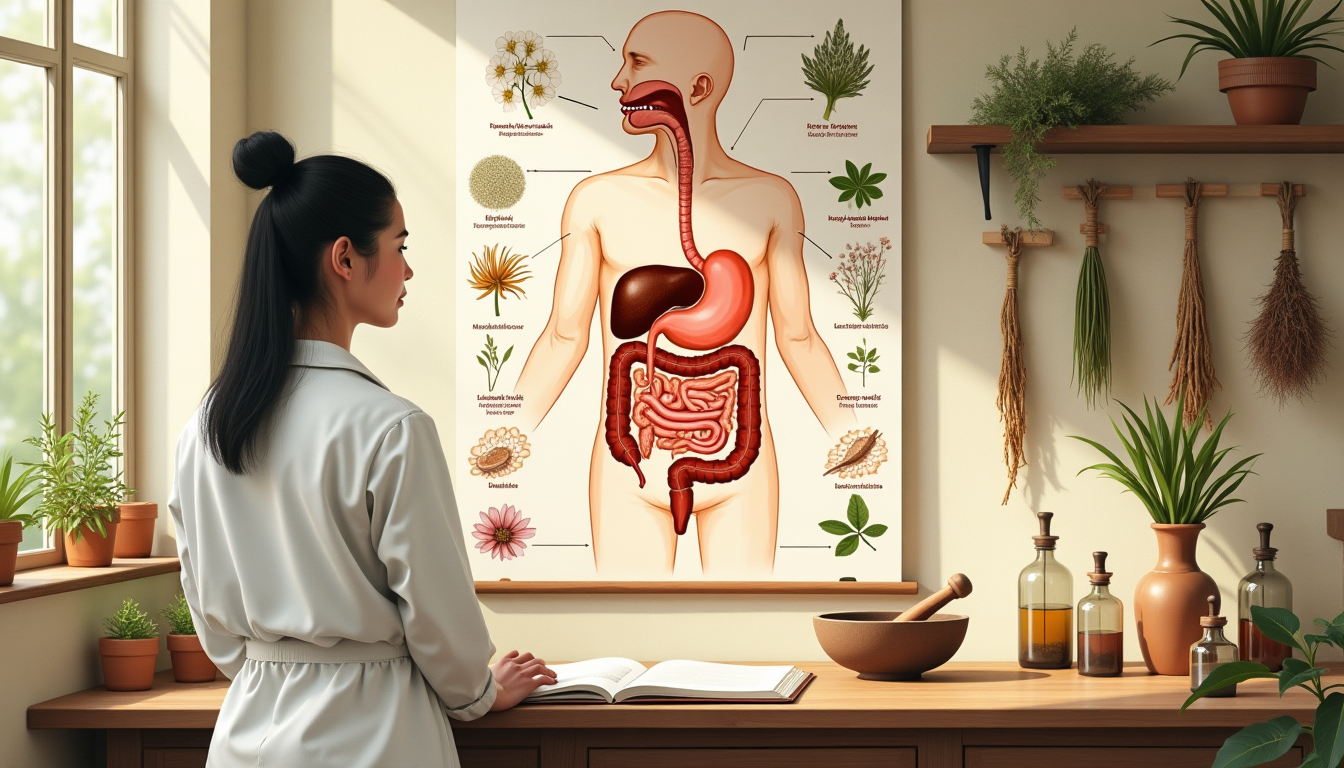
引言:草药与消化系统 The Digestive System
Summary: Herbal medicine is uniquely suited for treating digestive system illnesses.
Throughout evolution, our food has been our medicine — herbs affect the gut through both absorption and metabolism of plant chemicals and through
direct actions on gut tissue.
Much digestive illness stems from dietary abuse: processed foods, chemical additives, alcohol, and tobacco.
Demulcents soothe, astringents heal, and bitters tone — but lasting cure requires lifestyle change.
草药疗法特别适合于 digestive system 在演变过程中,食物是我们的药物 — 我们食用的草药对粘膜有直接影响 alimentary canal 草药通过吸收植物化学物质和通过 direct actions upon tissue
当前社会大多数消化问题来自 abuse — 过多的加工食品、化学添加剂、酒精、碳酸饮料和香烟,草药可以提供很大的帮助:
- Demulcents — 果实舒缓、愈合刺激
- Astringents — 帮助组织恢复
- Bitters — 平衡和滋养消化系统
但真正的治疗需要依赖 lifestyle changes — 减少不良饮食,减少化学物质,减少压力。草药带来惊人的改变,但长期效果取决于患者。
在所有草药传统中,草药消化辅助仍然是现代欧洲记忆中最突出的,无论草药是烹饪香料,例如 rosemary 或药酒如 vermouth (来源于 wormwood) 和 chartreuse
世界卫生组织(WHO) 将健康定义为:健康是身体、情绪、精神和社会状态的完整性——而不仅仅是没有疾病或残疾。
主要作用于消化系统(Table 13.3)
| 功效 | 草药示例 |
|---|---|
| Demulcent | Symphytum, Althaea, Ulmus rubra, Glycyrrhiza |
| Bitter | Artemisia absinthium, Gentiana, Hydrastis |
| Milder bitter | Achillea, Matricaria |
| Astringent | Agrimonia, Geranium, Filipendula, Myrica |
| Carminative | Foeniculum, Zingiber, Mentha, Matricaria, Melissa |
| Anti-inflammatory | Matricaria |
| Antispasmodic | Matricaria, Valeriana, Viburnum, Dioscorea + carminatives |
| Aperient / Laxative | Rumex crispus, Senna, Taraxacum |
| Hepatic / Cholagogue | Taraxacum, Chelone glabra + bitters |
| Nervine | Matricaria, Valeriana, Artemisia vulgaris |
| Anthelmintic | Artemisia absinthium, Dryopteris |
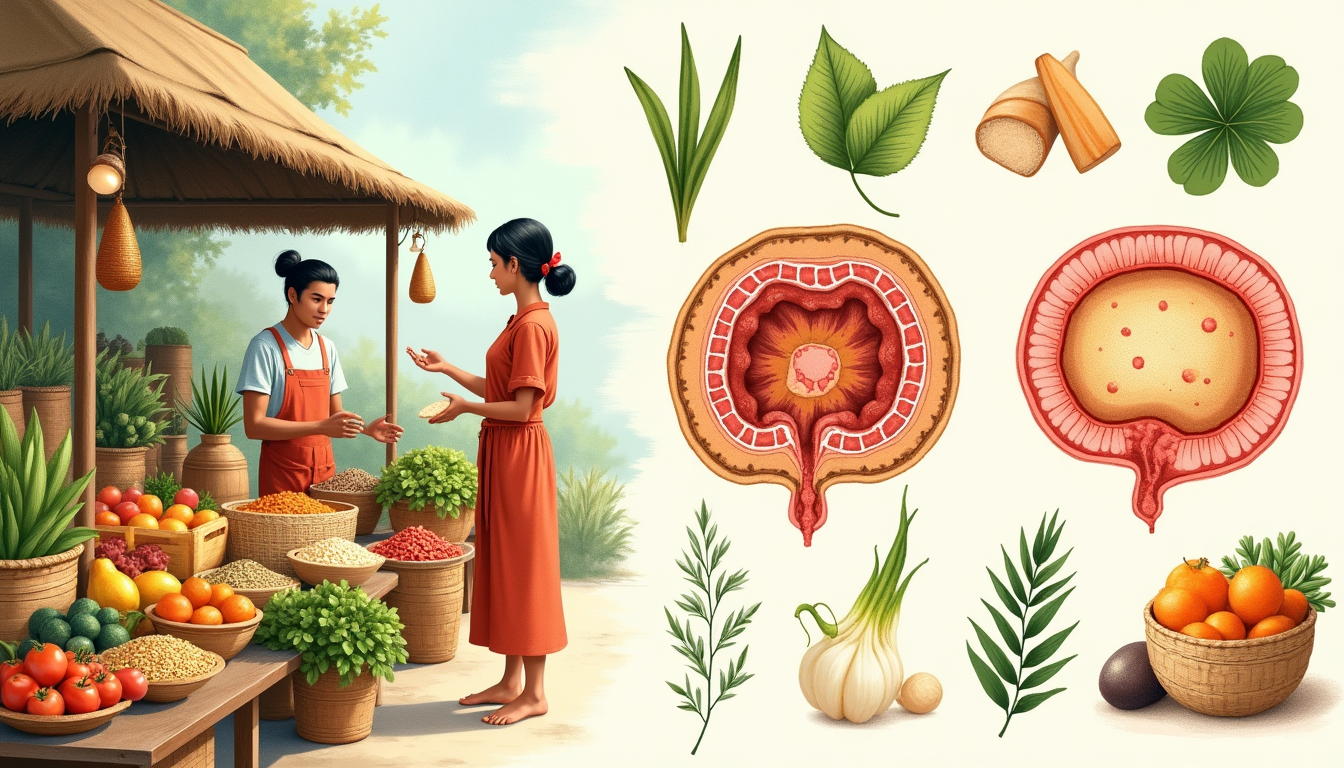
良好的饮食和膳食纤维 Herbs and Good Diet
Summary: The most important contribution of plants to digestive health is through quality of foods.
The body requires 40+ nutrients —
carbohydrates (main energy),
proteins (tissue repair),
fats (organ protection), plus
essential fatty acids (omega-3 and omega-6),
vitamins and minerals, and
dietary fiber.
A high-fiber diet reduces risks of gastrointestinal problems, cardiovascular disease, and many degenerative conditions.
宏量营养素——水、碳水化合物、蛋白质、脂肪
▼
- Water — 最重要的是作为血液和淋巴的媒介,将营养物质输送到细胞并排出废物。
- Carbohydrates — 主要能量来源,分为: simple (糖) 和 complex (淀粉,如土豆、面包)
- Proteins — 修复组织,产生抗体、激素、酶。来自肉、鱼、奶、豆类、蛋
- Fats — 保护器官,提供能量,隔热,帮助吸收 3 种维生素: saturated, monounsaturated, polyunsaturated
Essential Fatty Acids (EFAs) — 身体无法自行产生,必须从食物中获取:
- Omega-6: 亚麻酸 + 亚拉基酸(来自种子、豆类、谷物、肉类)
- Omega-3: α亚麻酸(来自绿叶、海藻、种子)和 EPA (来自鱼()
EFAs 对于细胞膜、大脑和神经系统以及生产至关重要 eicosanoids
膳食纤维 — 益处和来源 (Dietary Fiber)
▼
Dietary fiber 是植物食物中不可消化部分,由纤维素和其他细胞壁成分组成,分为:
- Soluble fiber — 可溶于水,形成柔软的凝胶(燕麦麸、豆类、水果)
- Insoluble fiber — 通过肠道几乎未改变(小麦、蔬菜)
膳食纤维的益处
- 缩短时间 intestinal transit time
- 延缓胃排空 → 降低餐后血糖
- 增加饱腹感,刺激胰腺,增加粪便重量
- 增加 beneficial microflora 在肠道内
- 降低水平 serum lipid levels
与膳食纤维摄入不足相关的疾病 (Table 13.1)
| 组 | 病 |
|---|---|
| Metabolic | 肥胖、糖尿病、痛风、肾结石、胆囊结石 |
| Cardiovascular | 高血压,冠心病,静脉曲张,血栓 |
| Colon | 便秘 阑尾炎 diverticulosis 痔疮,肠癌 IBS 肠道炎症 |
| 其他 | 龋齿、自身免疫性疾病、贫血、皮肤病 |
推荐 20–35 g 每天,富含纤维的食物:蔬菜、水果、全谷物、豆类
烟草与消化系统(Tobacco)
▼
除了众所周知的心脏和肺部疾病 tobacco 也影响消化系统的所有部分:
- Heartburn — 吸烟会使乳头肌变弱,胃酸反流进入食道,直接损害食道粘膜
- Peptic ulcer — 报告 Surgeon General 1989: 伤口更容易发生、愈合更慢、对吸烟者更危险
- Liver disease — 降低肝脏解毒能力,可能使酒精性肝病恶化。
- Crohn's disease — 现有的和以前的吸烟者风险更高,复发率高
好消息:大多数影响在停止吸烟后可以恢复
7条饮食建议(Dietary Guidelines)
▼
- 吃多种食物——获得全面的营养
- 控制体重——不超过正常体重的 20%
- 降低脂肪和胆固醇 — 脂肪不超过总热量的 30%
- 多吃蔬菜、水果、谷物 — 富含营养、膳食纤维和复杂碳水化合物
- 限制糖分
- 限制盐分摄入 — 过量会增加高血压的风险
- 适量饮酒
在饮食均衡的情况下,不需要使用 nutritional supplements — 但在怀孕、患病、受伤或极度压力期间可能需要