第 15 章 — 呼吸系统 (第 1/5 页)
第 2 篇:按系统器官进行治疗方法
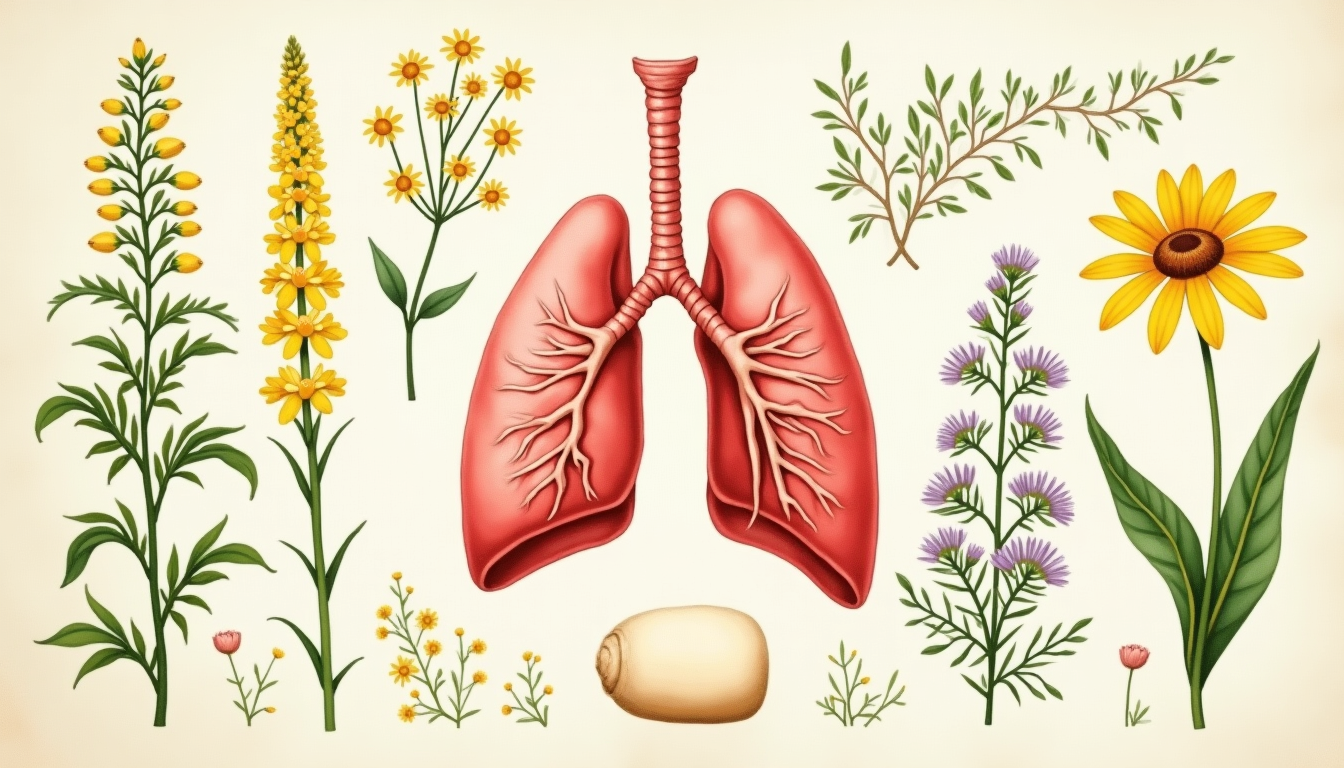
引言:呼吸与自然
When we draw a breath, we share that air with all other human beings and all life on our planet. Through respiration, our oneness with trees becomes manifest fact. Every minute we breathe 10-15 times — nearly 25,000 breaths a day, moving almost 10,000 liters of air. The lungs extract oxygen and discharge waste carbon dioxide. About 10% of the lung is solid tissue; the rest is air and blood.
当我们呼吸时,空气通过鼻子和嘴巴进入 trachea (气管 (气管和喉) 进入肺部通过 bronchi 逐渐分叉成越来越细小的气管,直到 bronchioles 大约 300 万根,结束于 alveoli (肺泡
胸腔内的呼吸肌肉,统称为 ventilatory apparatus 包括 diaphragm 以及肋间肌肉,大脑和颈部中的呼吸中枢控制其功能,对血液中的氧气、二氧化碳和酸的水平作出反应
Gas exchange เกิดที่ถุงลม เยื่อบางมากกั้นระหว่างเลือดกับอากาศ — บางกว่ากระดาษทิชชู 50 เท่า แต่มีพื้นที่ถึง 80 ตารางเมตร (ขนาดสนามเทนนิส) เม็ดเลือดแดงผ่านเส้นเลือดฝอยในปอดเพียงเสี้ยววินาที แต่แลกเปลี่ยนแก๊สได้เกือบทันที
广义上,呼吸的吸气和呼气 life energy 进入体内,如果呼吸干扰,则会降低生命能量,代谢疾病增加,组织退化
预防呼吸道疾病
Prevention of respiratory disease centers on avoiding pollutants and maintaining the body's natural defenses. Two of the best preventive measures are regular exercise and proper breathing. Right lifestyle — diet, exercise, and quality of life — profoundly influences lung health. If the air we breathe is polluted, it disrupts the ecology of the lungs just as it disrupts the ecology of the forest.
空气质量是预防上呼吸道和下呼吸道疾病的关键。如果避免 particulate air pollution 和化学刺激物,如 sulfur dioxide 许多肺部疾病不会发生
มลพิษกระทบปอดหลายทาง — อาจแค่ระคายเคืองไม่สบาย หรือร้ายแรงถึงชีวิต ปอดมีกลไกป้องกันทั้งเชิงกลและชีวภาพ แต่ไม่ได้ทำงานดีเสมอ
Ground-level ozone 是城市污染的主要成分,由发动机气体与阳光发生反应形成,引起胸闷、咳嗽、喘息 WHO 建议限制在0.08-0.1 ppm 每小时
工作场所的污染物:
- Dusts — 木材、棉花、煤炭、石棉、硅石、谷物、杀虫剂、金属
- Fumes — 热金属,快速冷却,焊接,熔炼,制作陶器
- Smoke — 有机燃烧剂,消防员风险高
- Gases — 甲醛、氨、氯、氮氧化物
- Mists — 油漆、清漆、喷雾、杀虫剂、清洁剂
Cigarette smoking เป็นสาเหตุเดียวที่ป้องกันได้มากที่สุดของการเสียชีวิต — ประมาณ 400,000 รายต่อปีในสหรัฐฯ มากกว่าไฟไหม้ อุบัติเหตุรถยนต์ แอลกอฮอล์ โคเคน เฮโรอีน AIDS 谋杀和自杀合计 Secondhand smoke 每年杀死约 50,000 人
对心脏和血管的影响: 每天吸一包增加风险 heart attack 超过 2 倍,吸 2 包增加 3 倍,是主要原因 coronary heart disease 和 atherosclerosis 小腿
对癌症的影响: 占死亡的 32% cancer — ปอด ช่องปาก คอหอย กล่องเสียง หลอดอาหาร ตับอ่อน ไต กระเพาะปัสสาวะ ปากมดลูก สูบบุหรี่เป็นสาเหตุเกือบ 90% ของมะเร็งปอดและคอหอย
对呼吸系统的影响: 占慢性肺病死亡的88%,超过90%的因素 chronic bronchitis 在美国
其他效果: 胃病(peptic ulcer), 蛀牙和牙龈疾病,妊娠风险(低出生体重、流产 SIDS), 骨质疏松、白内障、皮肤过早衰老
草药与下呼吸道系统
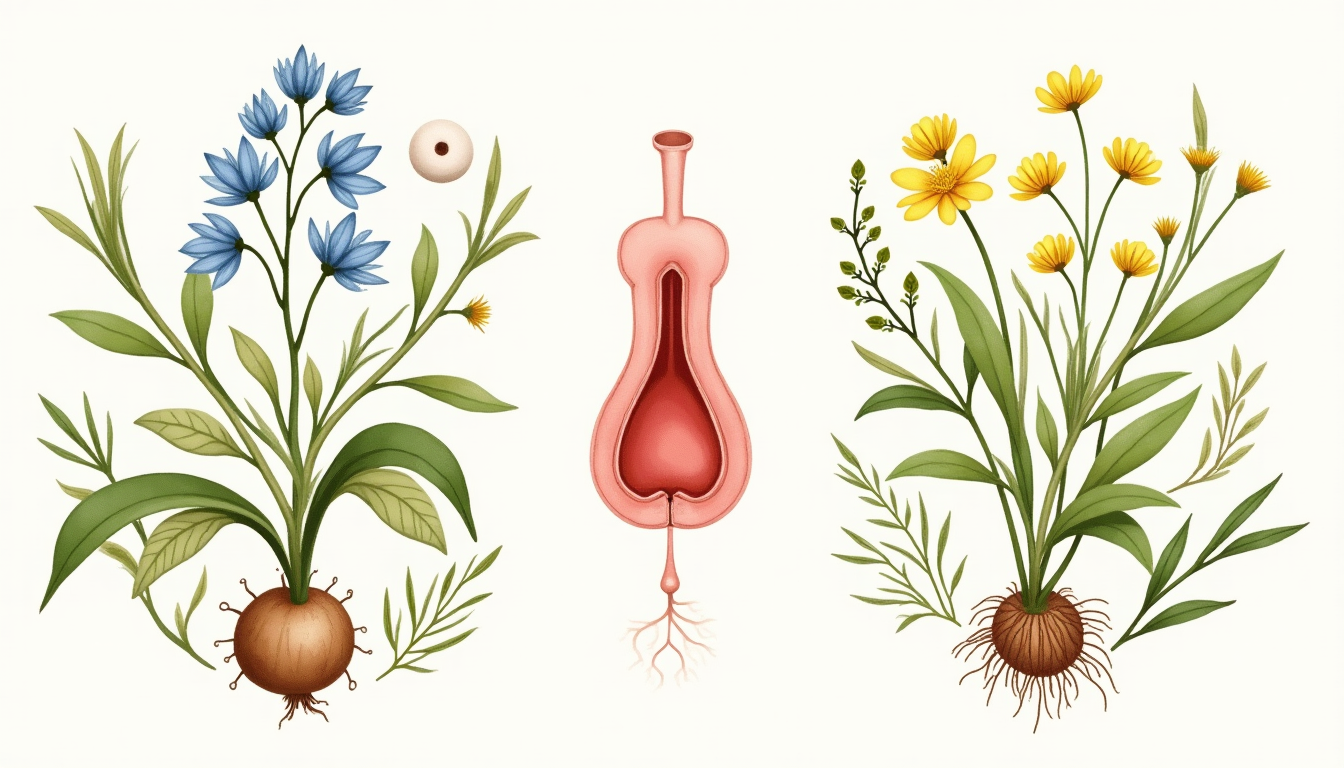
Plant remedies for the respiratory system abound in pharmacopoeias. Most herbs still listed as official are expectorant, antitussive, or decongestant. But orthodox medicine's focus on effectors has de-emphasized tonic remedies. Pulmonary tonics strengthen both tissue and function, not just treat symptoms.
| 功效 | 草药 |
|---|---|
| Pulmonary tonic | Inula helenium, Tussilago farfara, Verbascum thapsus |
| Stimulating expectorant | Cephaelis ipecacuanha, Inula helenium, Marrubium vulgare, Sanguinaria canadensis |
| Relaxing expectorant | Asclepias tuberosa, Cetraria islandica, Grindelia camporum, Lobelia inflata, Plantago spp., Tussilago farfara |
| Antispasmodic | Drosera rotundifolia, Euphorbia pilulifera, Lactuca virosa, Papaver spp., Prunus serotina |
| Antimicrobial | Allium sativum, Eucalyptus spp., Thymus vulgaris |
| Immune support | Echinacea spp. |
| Anticatarrhal | Hyssopus officinalis, Tussilago farfara |
| Cardiotonic | Crataegus spp., Leonurus cardiaca, Tilia platyphyllos |
| Nervine | Hyssopus officinalis, Lactuca virosa, Leonurus cardiaca, Lobelia inflata |
Expectorants 是帮助清除气道分泌物的草药。这个词通常广泛指代药物 "做一些事情" 与呼吸系统有关,分为2个主要组:
祛痰药刺激 (Stimulating Expectorants)
2 种机制:
- Irritation of bronchioles — 刺激通过反射性咳嗽排出
- Liquefaction of viscid sputum — 减少痰液的粘稠度,小毛(cilia) 气管壁上更容易将痰液带上来
主要有 alkaloids, saponins, 或者 volatile oils 适合 productive cough 需要清除痰液
祛痰药松弛 (Relaxing Expectorants)
具有松弛支气管痉挛和松动粘膜的作用,有助于产生更稀薄的新痰,将粘稠的痰液从下方推向上方,适用于 dry, irritating cough 类似功效 demulcent 因为有 mucilage
被称为草药 pulmonaries 或者 amphoteric expectorants 对组织和肺功能都有好处:
- Inula helenium (elecampane) — 具有排痰作用刺激显著
- Verbascum thapsus (mullein) — 具有排痰作用放松显著
- Tussilago farfara (coltsfoot) — 最适合儿童
注意事项 Tussilago: 含有 pyrrolizidine alkaloids (PAs) โดยเฉพาะในราก การศึกษาในสัตว์ใช้ปริมาณสูงมากหลายร้อยเท่าแสดงว่าอาจเป็นสารก่อมะเร็ง แต่ไม่เกี่ยวกับขนาดที่ใช้ทางยา ควรใช้ใบและดอกไม่เกิน 1 เดือนต่อเนื่อง ห้ามใช้รากรับประทาน
下呼吸道的主要 5 种症状:
- Dyspnea — 呼吸困难或呼吸短促,有多种类型:
- Physiological — 由于运动或低氧状态
- Pulmonary — 由于肺部限制(肺纤维化)或气道阻塞(哮喘)
- Cardiac — 由心力衰竭引起,灌注不足
- Cardiac Asthma — 由左心室衰竭引起,症状类似于哮喘
- Circulatory — "呼吸困难" 来自失血或贫血
- Chemical — 来自尿毒症或 diabetic acidosis
- Psychogenic — 来自情绪因素
- Cough — 突然用力呼吸以清除呼吸道中的异物
- Chest pain — 必须将心脏原因与肺部原因鉴别
- Wheezing — 呼吸时的异常声音
- Hemoptysis — 咯血,需要医生诊断